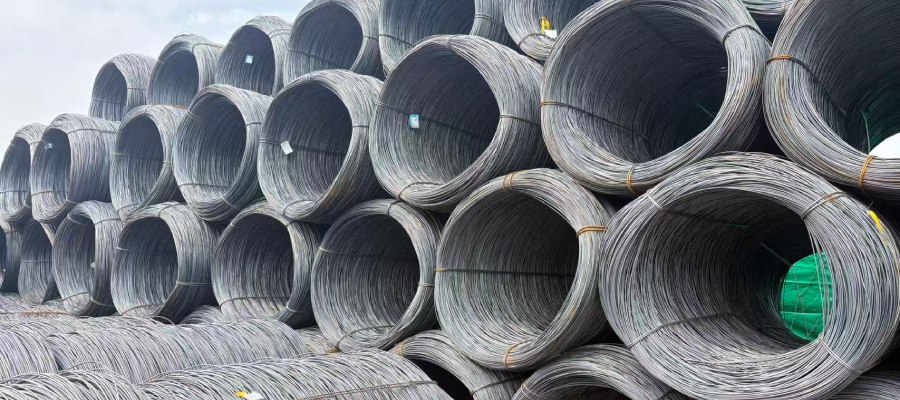



What Is Steel Coil Weight and How Is It Calculated?
Steel coil weight varies depending on material, dimensions, and production method. Knowing these differences helps buyers avoid delays, overloading issues, and unexpected expenses.
Steel coils are widely used in construction, manufacturing, and infrastructure projects. For buyers, understanding steel coil weight is essential for accurate cost control, transportation planning, and safe handling.
This guide explains the average weight of steel coils, differences by type, key influencing factors, and how to calculate coil weight accurately.
Average Steel Coil Weight
In most industrial applications, the average steel coil weight ranges from 7 to 15 tons. Heavier coils are also produced for large-scale manufacturing.
Standard steel coils: 7–15 tons
Heavy-duty steel coils: up to 25–30 tons
The final weight mainly depends on thickness, width, inner diameter, and steel type.
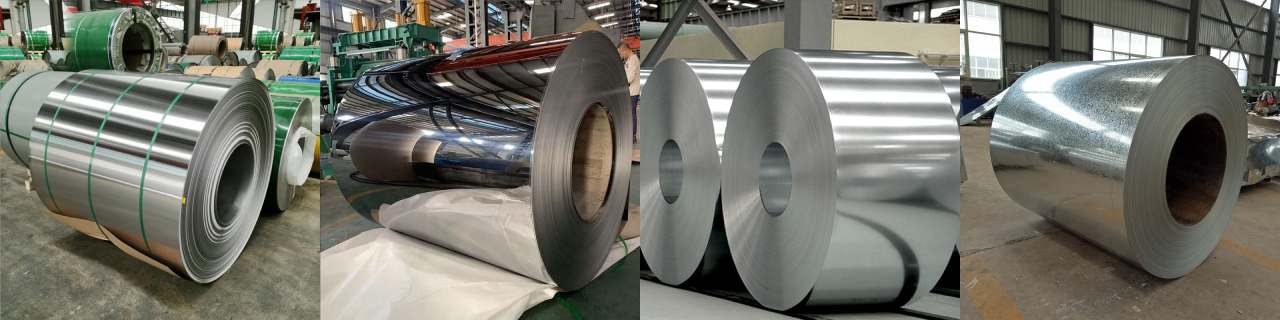
Average Weight by Steel Coil Type
Different steel products have different densities and surface treatments. These factors directly affect coil weight.
Carbon Steel Coils
Carbon steel coils typically weigh 7–12 tons for standard sizes. They are widely used in structural parts, steel pipes, and general fabrication because of their strength and cost efficiency.
Stainless Steel Coils
Stainless steel has a higher density than carbon steel. As a result, stainless steel coil weight usually ranges from 10 to 15 tons, depending on grade and size. These coils are commonly used in chemical, food-processing, and architectural applications.
Galvanized Steel Coils
Galvanized steel coils are coated with zinc for corrosion resistance. This coating slightly increases the total mass, making the average galvanized steel coil weight about 8–14 tons.
Coated Steel Coils
Pre-painted and other coated steel coils vary in weight based on coating type and thickness. Most coated steel coils weigh 7–13 tons, though heavier coatings may add more weight.
Steel Coil Density Explained
Steel generally has a density of 7,850 kg/m³, which is the standard value used to calculate steel coil weight. This applies to most carbon steel products.
However, alloy elements and surface coatings such as zinc, aluminum, or paint can increase the final weight of the coil.
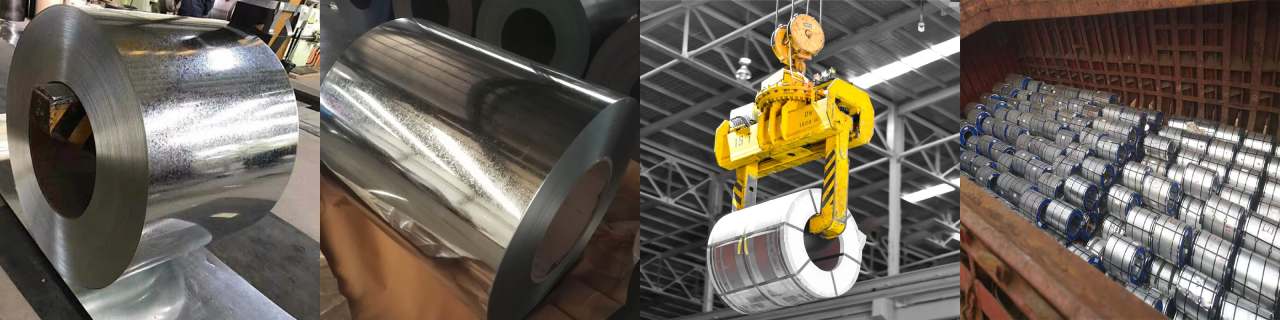
How Much Does a Metal Roofing Coil Weigh?
For roofing applications, coil weight is often calculated by area instead of total coil mass.
A 24-gauge metal roofing coil weighs about 1 lb per square foot
Thicker gauges or wider coils increase the total weight
When ordering roofing coils, both gauge and width should be considered to estimate shipping and handling requirements.
Factors That Affect Steel Coil Weight
Several technical factors influence steel coil weight:
Thickness: Thicker coils contain more material and weigh more
Width: Wider coils have greater surface area
Material grade: Carbon steel, stainless steel, and alloy steel have different densities
Coating: Zinc, aluminum, or paint coatings add extra mass
Coil length: Longer coils naturally increase total weight
Understanding these factors helps buyers select coils that meet both technical and logistical needs.
How to Calculate Steel Coil Weight
Steel coil weight is calculated based on volume and density.
Basic formula:
Weight = Density × Volume
For flat steel products:
Volume = Length × Width × Thickness
By multiplying the volume by steel density (7,850 kg/m³), you can estimate the total steel coil weight. Many buyers also use online steel coil weight calculators for faster and more accurate results.
Why Steel Coil Weight Matters
Knowing the exact steel coil weight is important for several reasons:
Transportation planning: Prevents truck or container overloading
Cost control: Steel pricing is usually weight-based
Handling safety: Ensures proper lifting and storage equipment
Inventory management: Improves material tracking and usage control
Accurate weight data reduces risk and improves project efficiency.
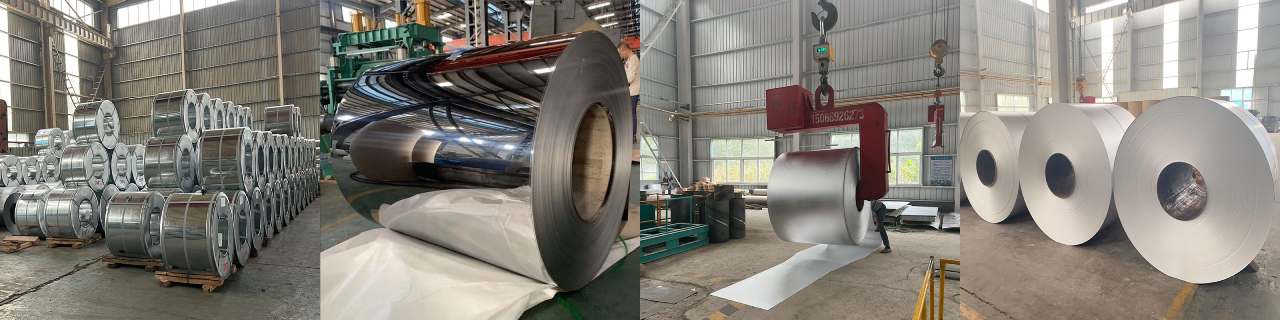
Steel Coil Weight Chart
Below is a reference chart for estimating steel coil weight based on standard dimensions:
Coil Width (in) | Thickness (in) | Weight per Foot (lbs) | Estimated Coil Weight (lbs)* |
36 | 0.0625 | 3.5 | 840 |
48 | 0.075 | 4.5 | 1080 |
60 | 0.100 | 6.0 | 1440 |
72 | 0.125 | 7.5 | 1800 |
96 | 0.150 | 10.0 | 2400 |
*Estimated based on a standard 100-foot coil length. Actual weight may vary depending on steel grade and coating.
Final Thoughts
Understanding steel coil weight helps buyers make better purchasing decisions. By considering coil type, density, thickness, and coatings, you can estimate weight accurately and avoid unexpected costs.