


Difference Between Stainless Steel vs Carbon Steel
Stainless steel and carbon steel are two widely used steel materials in construction, manufacturing, and industrial applications. Although both are iron-based alloys, they differ significantly in composition, performance, and usage.
In the comparison of Stainless Steel vs Carbon Steel, the key difference lies in corrosion resistance. Stainless steel contains chromium, which provides strong protection against rust, while carbon steel focuses on strength and cost efficiency.

What Is Carbon Steel?
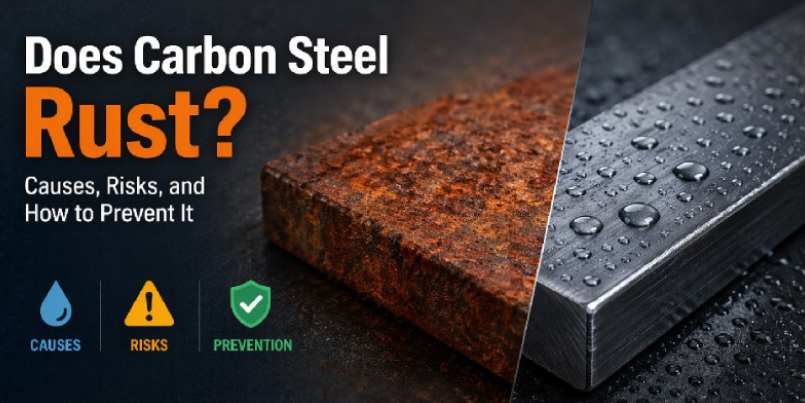
Carbon steel is a steel alloy mainly composed of iron and carbon, with carbon content typically ranging from 0.05% to 2.0%. It contains little or no chromium, which is why it does not have natural corrosion resistance.
Key Features of Carbon Steel
High strength and hardness
Good machinability and weldability
Lower cost compared with stainless steel
Prone to rust without surface treatment
Common Applications
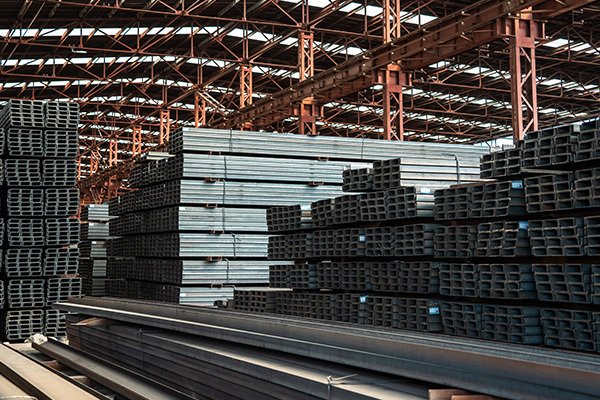
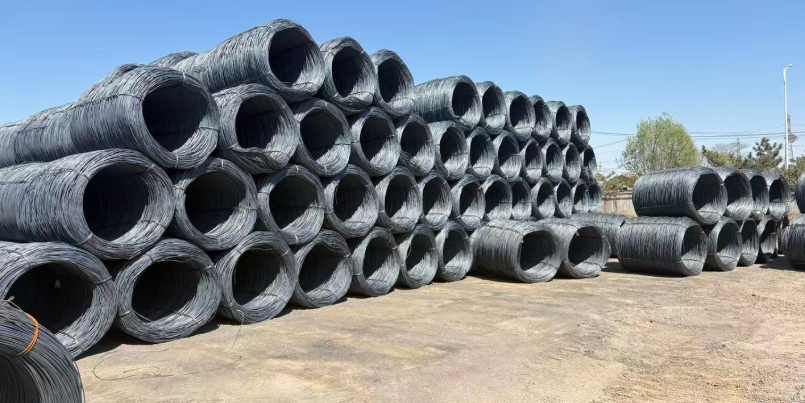
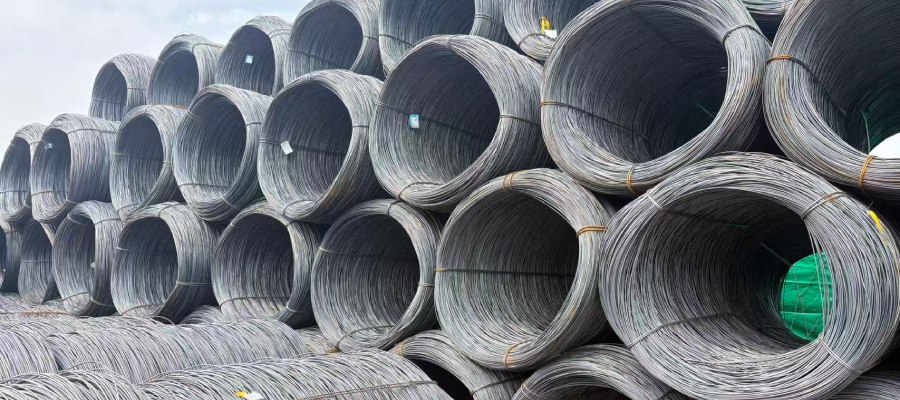
Carbon steel is widely used in reinforcing bars (rebars), steel pipes, beams, structural frames, machinery parts, and industrial equipment.
What Is Stainless Steel?
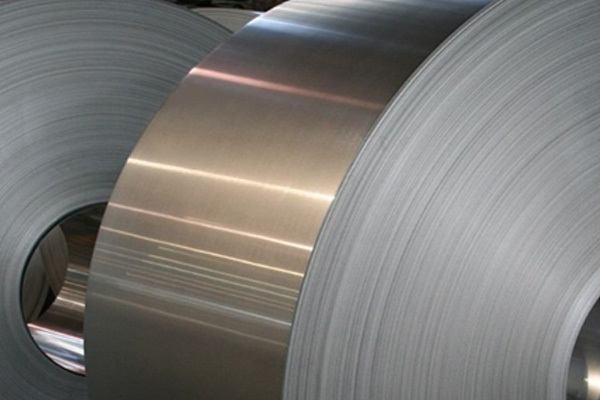
Stainless steel is an alloy steel that contains at least 10.5% chromium. The chromium forms a thin protective oxide layer on the surface, preventing corrosion and oxidation.
Key Features of Stainless Steel
Excellent corrosion and rust resistance
Smooth and attractive surface finish
Long service life with low maintenance
Higher cost due to alloying elements
Common Applications
Stainless steel is commonly used in food processing equipment, chemical tanks, medical devices, pipelines, kitchenware, and architectural decoration.
Stainless Steel vs Carbon Steel Parameter Comparison
| Feature | Carbon Steel | Stainless Steel |
|---|---|---|
| Main Elements | Iron + carbon | Iron + chromium |
| Corrosion Resistance | Low | High |
| Strength | High | Medium to high |
| Appearance | Dull surface | Bright, clean finish |
| Cost | Lower | Higher |
| Maintenance | Requires protection | Minimal maintenance |
Conclusion
When choosing between Stainless Steel vs Carbon Steel, the right option depends on application requirements. Carbon steel is ideal for projects that prioritize strength and cost control, while stainless steel is better suited for environments where corrosion resistance and appearance are important.