


Carbon Steel Wire Rod: High & Low Carbon Guide
Carbon steel wire rod is one of the most widely used raw materials in construction, infrastructure, and manufacturing industries. According to carbon content and mechanical performance, it can be divided into low carbon steel wire rod and high carbon steel wire rod. In addition to international standards such as ASTM and SAE, Chinese grades like Q195 and Q235 are also very common in global trade.
What Is Carbon Steel Wire Rod?
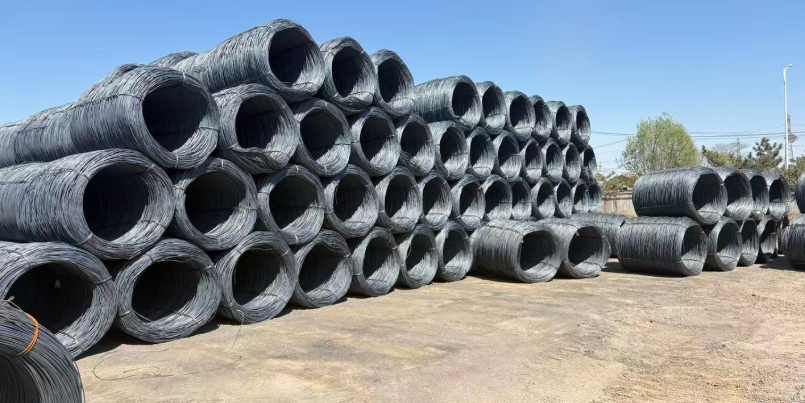
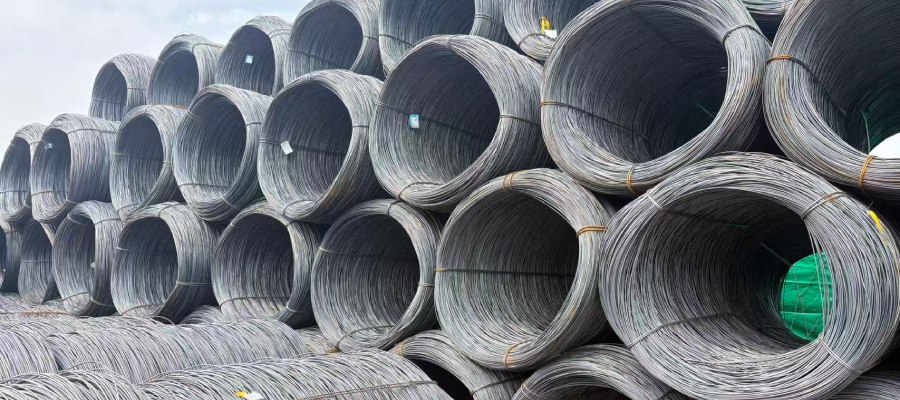
Carbon steel wire rod is produced by hot rolling steel billets into round coils. It is typically supplied in coil form and further processed through drawing, galvanizing, or heat treatment.
Common Diameter:
5.5mm
6.5mm
8mm
10mm
12mm
14mm
Common International Standards:
ASTM A510
SAE 1006–1095
BS EN 10016
JIS G3505
Common Chinese Standards:
Q195
Q235
Q345 (for higher strength applications)
Low Carbon Steel Wire Rod
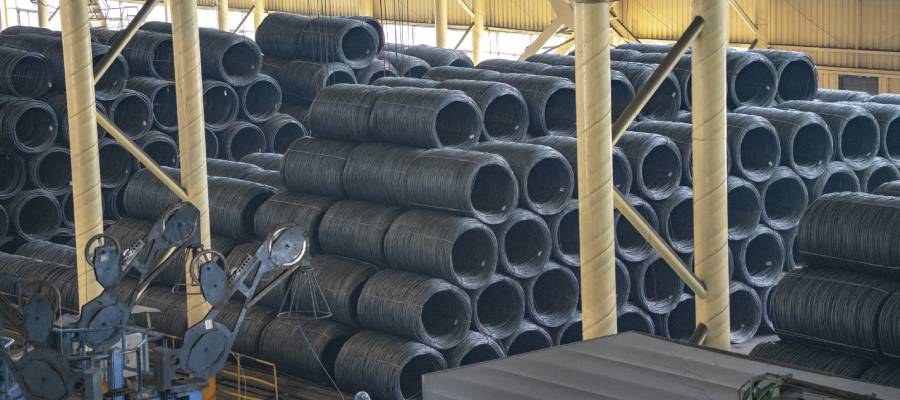
Low carbon steel wire rod generally contains carbon content below 0.25%, offering excellent ductility and workability.
Common Grades:
SAE 1006 / 1008 / 1010
Q195
Q235
Q195 vs Q235
Q195: Lower strength, better plasticity, widely used for binding wire and nails.
Q235: Higher strength than Q195, suitable for construction, mesh, and structural processing.
Key Features:
Good weldability
High elongation
Easy to bend and draw
Cost-effective
Applications:
Binding wire
Wire mesh
Nails & screws
Construction tie wire
General fabrication
Low carbon steel wire rod is especially popular in African and Middle East construction markets due to its affordability and versatility.
High Carbon Steel Wire Rod
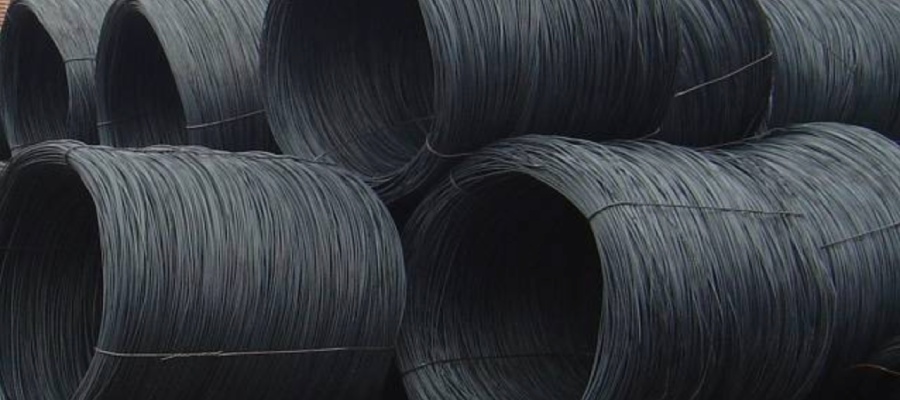
High carbon steel wire rod contains 0.45%–0.95% carbon and is designed for high-strength applications.
Common Grades:
SAE 1065
SAE 1070
SAE 1080
SAE 1095
Key Features:
High tensile strength
Excellent hardness
Good wear resistance
Suitable for heat treatment
Applications:
Spring wire
Prestressed concrete (PC wire)
Steel cord
Tire reinforcement
High-strength fasteners
High carbon steel wire rod is widely used in industrial manufacturing where mechanical performance is critical.
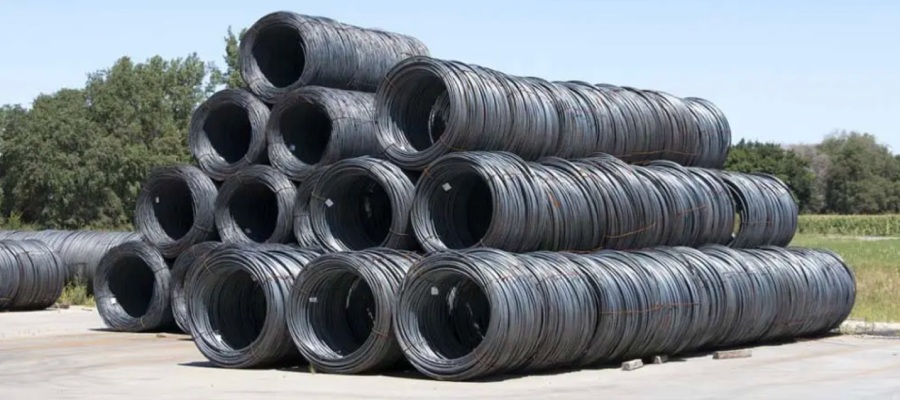
High Carbon vs Low Carbon Steel Wire Rod
Property | Low Carbon Steel Wire Rod | High Carbon Steel Wire Rod |
Carbon Content | ≤ 0.25% | 0.45%–0.95% |
Strength | Moderate | High |
Ductility | Excellent | Lower |
Weldability | Good | Limited |
Typical Grades | Q195, Q235, SAE1006 | SAE1070, SAE1080 |
How to Choose the Right Wire Rod
When selecting carbon steel wire rod, buyers should consider:
1. End use requirements
2. Required tensile strength
3. Surface condition
4. Standard compliance (ASTM, EN, JIS, GB)
5. Processing method (drawing, galvanizing, heat treatment)
For general construction and light manufacturing, Q195 and Q235 low carbon steel wire rod are the most economical choices. For high-strength industrial applications, high carbon steel wire rod provides superior mechanical properties.
Conclusion
Carbon steel wire rod remains a key material in global steel supply chains. Whether sourcing low carbon steel wire rod such as Q195 and Q235, or high carbon steel wire rod for demanding applications, understanding grade differences ensures better purchasing decisions and long-term performance.