


What Is Galvanized Steel Pipe? Definition, Process, and Uses
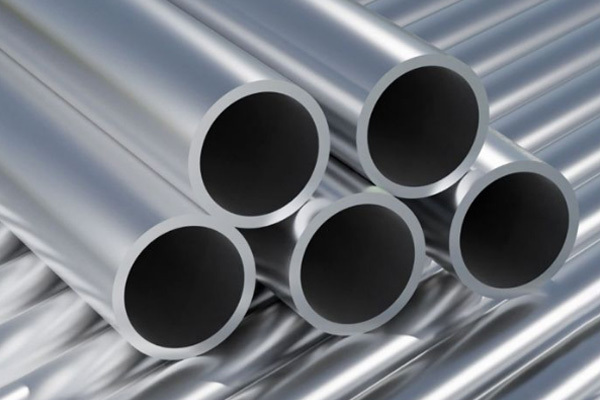
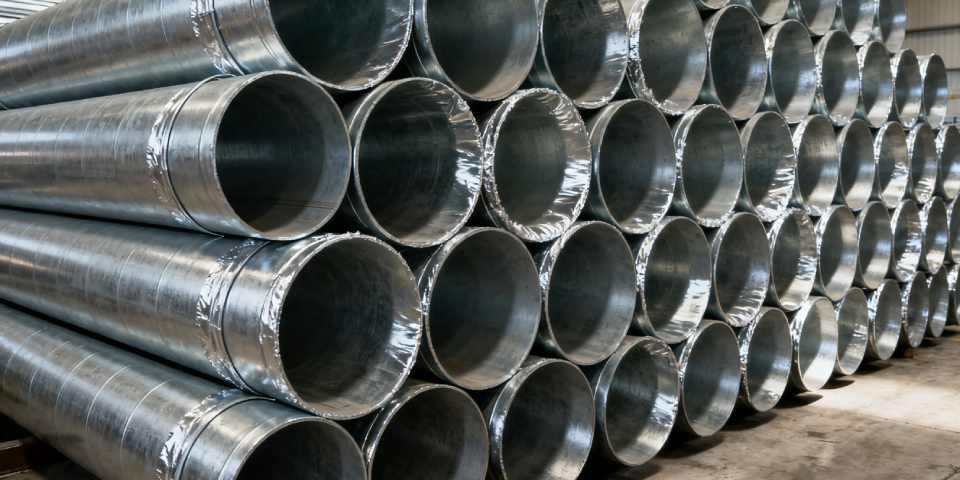
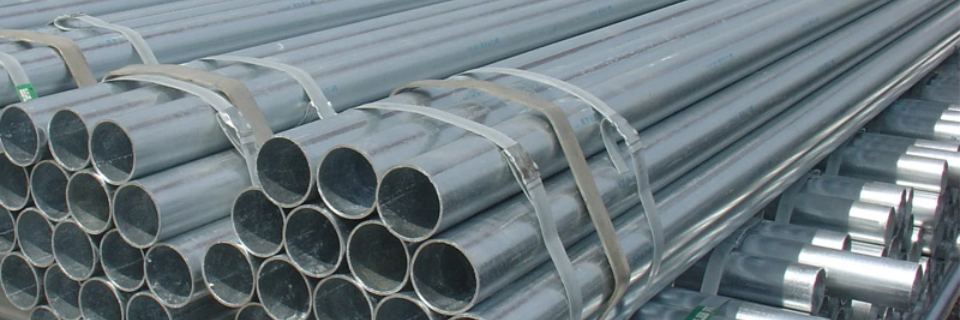
A galvanized steel pipe is a metal tube coated with a layer of zinc. This zinc coating protects the base steel from rust, corrosion, and oxidation.
Because of this protection, galvanized piping systems are widely used in outdoor, industrial, and high-moisture environments. Compared with ordinary carbon steel tubing, they offer a much longer service life. This makes them a durable and cost-effective choice for many applications.
Definition of Galvanized Steel Pipe
Galvanized steel pipe is made from carbon steel that has been coated with zinc during production. The zinc layer acts as a barrier between the metal surface and the surrounding environment.
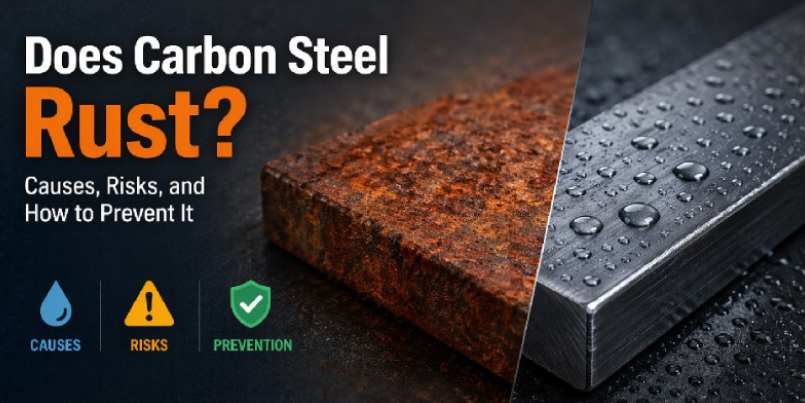
This coating provides more than basic rust prevention. It also offers sacrificial protection. When the surface is scratched, the zinc corrodes first and shields the steel underneath. As a result, galvanized pipe products last much longer than uncoated carbon steel tubes.
Manufacturing Process of Galvanized Pipe
(Tube Mill Production Line)
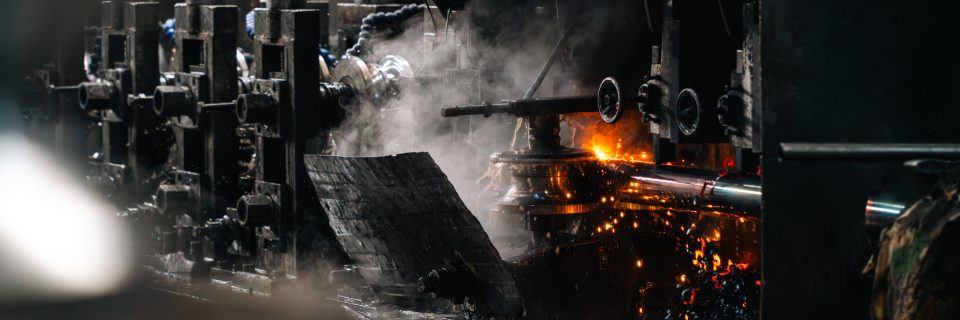
The production of galvanized tubing follows several controlled steps, usually completed on a tube mill line.
1. Material Preparation
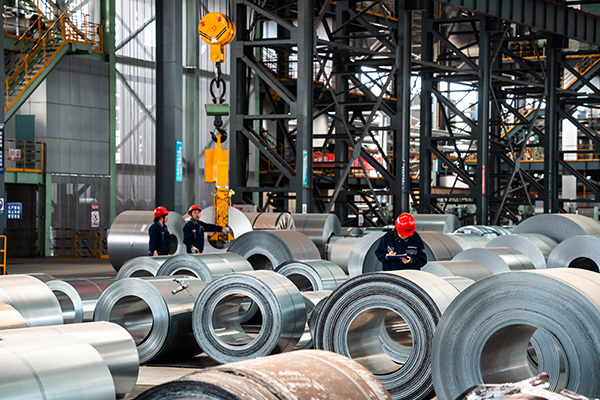
Carbon steel coils or strips are used as raw materials. These grades are selected for good strength and easy forming.
2. Tube Forming
The steel strip enters the tube mill. A series of rollers gradually shape it into a round or square hollow section. The edges are aligned for welding.
3. Welding
The formed tube is welded, most commonly using Electric Resistance Welding (ERW). This method produces a strong and uniform weld seam. After welding, the tube is cut to the required length.
4. Galvanizing
Before zinc coating, the tubes are cleaned to remove oil, scale, and other surface impurities.
They are then immersed in molten zinc using hot-dip galvanizing. During this process, the zinc bonds tightly to the steel surface and forms a durable protective layer.
5. Cooling and Inspection
After galvanizing, the zinc-coated tubes are cooled. Quality inspections are carried out to check coating thickness, surface finish, and adhesion.
6. Final Processing
Depending on customer requirements, additional processing may include:
Thread cutting
Length trimming
Surface marking or painting
Bundling and packing
Galvanized Pipes vs Carbon Steel Pipes
| Feature | Galvanized Pipe | Carbon Steel Pipe |
|---|---|---|
| Corrosion Resistance | High (zinc protection) | Low to medium |
| Service Life | Long, even outdoors | Shorter in wet areas |
| Initial Cost | Higher | Lower |
| Maintenance | Minimal | Frequent protection needed |
| Surface Appearance | Silver-gray finish | Dark surface |
| Typical Uses | Water lines, gas systems, outdoor structures | Dry or indoor structures |
Although zinc-coated piping has a higher initial cost, its long service life and low maintenance often reduce the total cost over time.
Common Applications of Galvanized Pipe Systems
Galvanized metal pipes are used across many industries, including:
Construction: scaffolding, handrails, guardrails, support frames
Water and Gas Networks: supply lines, drainage systems, gas transport
Agriculture: irrigation systems, greenhouse frames, fencing
Industrial Facilities: fire protection lines, mechanical piping
Infrastructure Projects: road signs, highway barriers, utility supports
Their strong resistance to corrosion makes them suitable for outdoor and humid conditions.
Galvanized Pipe FAQ
Q: What is the service life of galvanized piping?
A: Zinc-coated pipes usually last 20–50 years, depending on the environment and exposure level.
Q: Are galvanized pipes suitable for drinking water systems?
A: They have been widely used in potable water networks. However, modern projects may choose alternative materials for long-term performance.
Q: How can you identify galvanized tubing?
A: It typically has a silver-gray surface and is magnetic.
Q: Can galvanized pipes be welded?
A: Yes. Proper ventilation is required because zinc fumes are released during welding.
Q: What is the difference between hot-dip and electro-galvanizing?
A:
Hot-dip galvanizing creates a thicker and more durable zinc layer
Electro-galvanizing produces a thinner coating, mainly for indoor use
Conclusion
Galvanized steel pipe products offer strong corrosion resistance, reliable mechanical strength, and long service life. Compared with uncoated carbon steel tubing, they perform better in outdoor and moisture-rich environments.
Although the initial cost is higher, their durability and low maintenance needs make galvanized pipe systems a practical and economical solution for construction, industrial, agricultural, and infrastructure projects.