


Low-Carbon Steel's Growing Role in Cars
The car industry is moving quickly toward reducing carbon emissions. That means choosing the right materials is more critical than ever. Low-carbon steel is becoming a favorite because it's sustainable, performs well, and doesn't break the bank. Its growing usage is due to both rules and advancements in how car parts are made.
What's Driving the Change?
Tougher rules about emissions in big markets like Europe, the US, and China are pushing car companies to cut down on carbon. Materials such as aluminum are appealing, but they can be expensive and tricky to recycle. Low-carbon steel is a good, realistic option that fits with how cars are currently built.
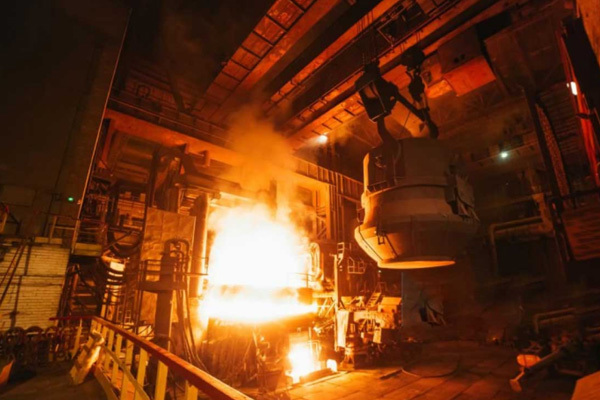
Also, car buyers care about the environment. This pushes car brands to be open about their carbon footprint and find ways to lower it. This is why steel made using electric arc furnaces (EAF), more recycled scrap, and renewable energy is increasingly in demand.
What Makes Low-Carbon Steel Good?
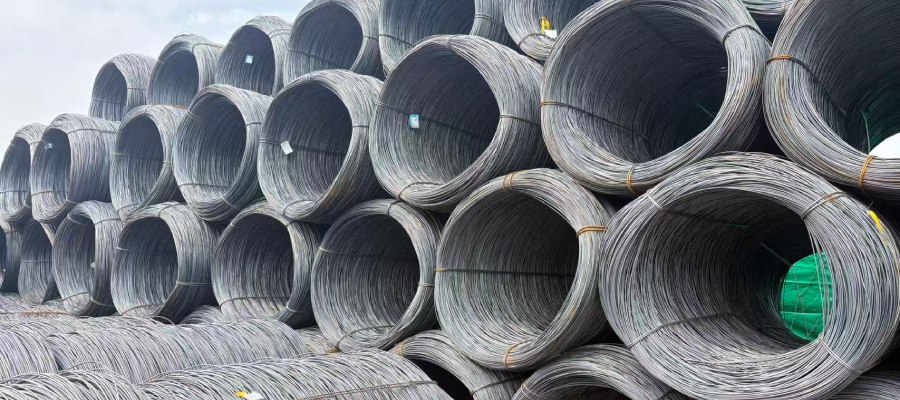
Low-carbon steel has less than 0.25% carbon. This makes it easy to shape, weld, and stretch—all important when making cars. It works well for car bodies, frames, and safety parts.
Advances in how steel is made have improved its strength. New types of low-carbon steel are stronger due to tiny bits of other metals and careful production methods. This means car companies can use less material without losing strength or safety.
Where is it Used?
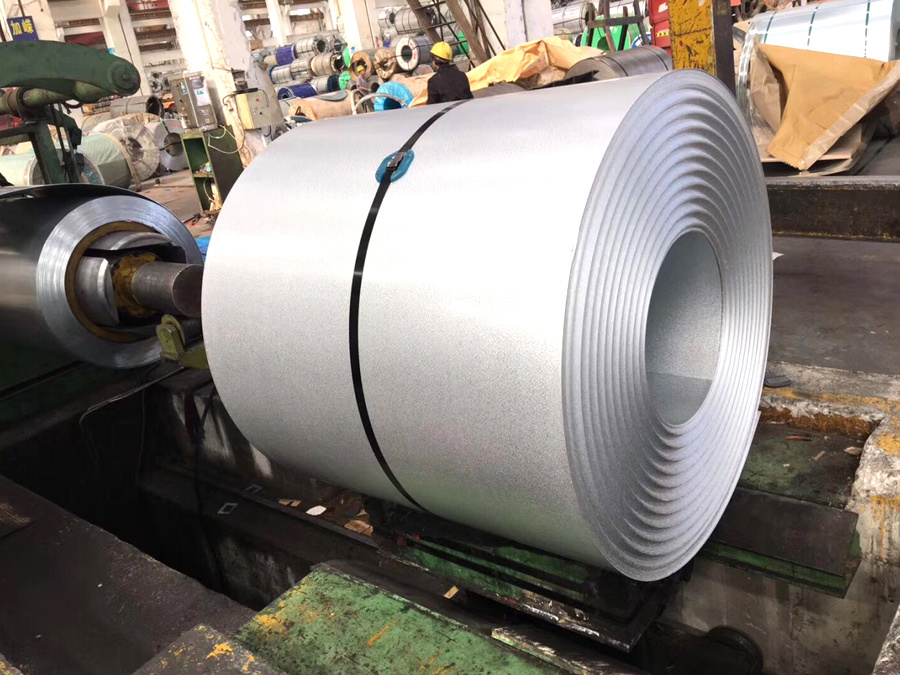
Low-carbon steel is common in car bodies, doors, roofs, floors, and support parts. It's compatible with fast stamping and automated welding, which keeps mass production cheap and quick.
Also, steel can be recycled over and over without losing its properties, which helps car companies hit their sustainability goals.
Cost and Supply
Low-carbon steel is cheaper and has a more reliable supply chain than other options. This is very important since car companies are dealing with rising material costs and unsure supplies. Low-carbon steel is still a good and dependable option for new markets and mass-market cars.
What's Next?
As greener steelmaking becomes more common—like using hydrogen and renewable energy—low-carbon steel will likely play an even bigger part in future cars. Steel isn't going away; it's being improved to meet sustainability needs.
Low-carbon steel is a material that balances being environmentally friendly with being practical for the industry. This makes it a key part of a more sustainable future for cars.