


Steel Sheet Sizes: A Practical Guide to Thickness, Gauges, and Applications
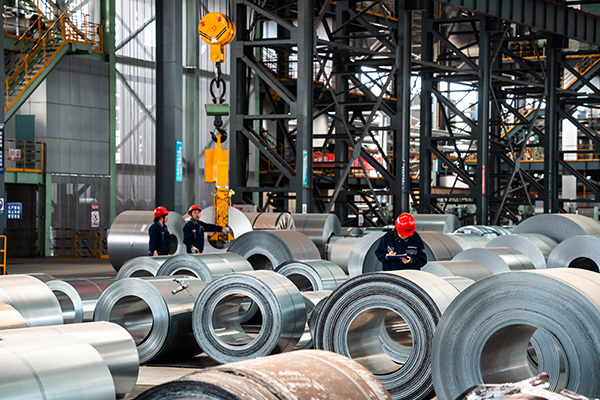
Steel sheets are key in construction, car making, and factory work. Picking the right sizes is a must for strong builds, saving money, and following rules. This guide talks about common steel sheet sizes, how thick they are, where they're used, and tips to help engineers and buyers choose wisely.
What Are Steel Sheet Sizes?
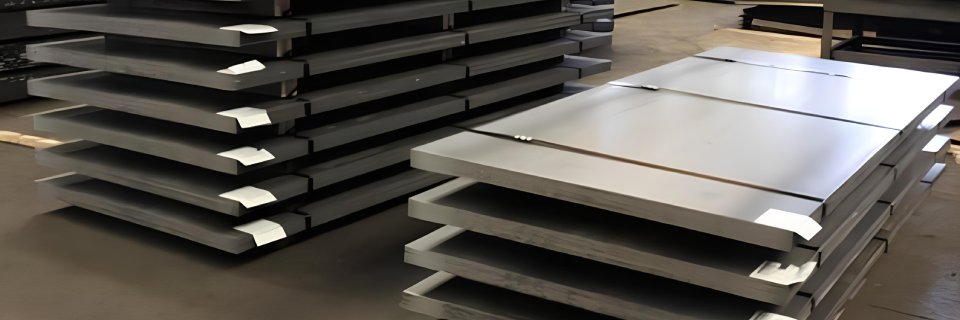
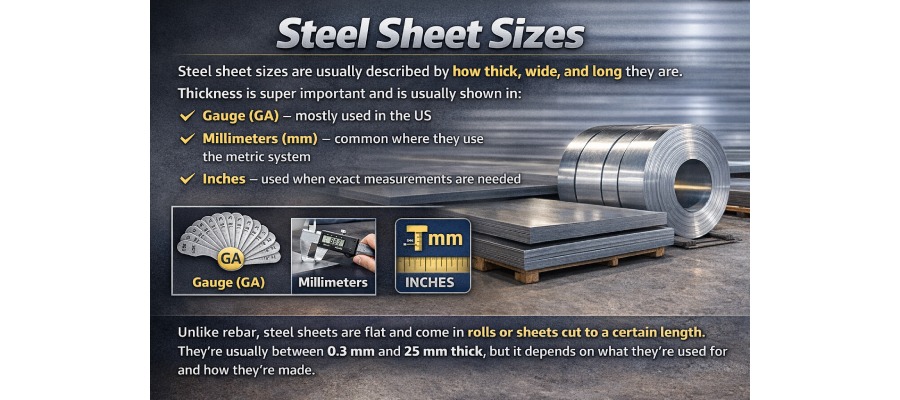
Steel sheet sizes are usually described by how thick, wide, and long they are. Thickness is super important and is usually shown in:
Gauge (GA) – mostly used in the US
Millimeters (mm) – common where they use the metric system
Inches – used when exact measurements are needed
Unlike rebar, steel sheets are flat and come in rolls or sheets cut to a certain length. They're usually between 0.3 mm and 25 mm thick, but it depends on what they're used for and how they're made.
Standard Steel Sheet Sizes
Standard steel sheet sizes differ a bit depending on where you are, but you'll usually find these common sizes:
Widths: 1000 mm, 1219 mm (4 ft), 1250 mm, 1500 mm
Lengths: 2000 mm, 2440 mm (8 ft), 2500 mm, 3000 mm
Thicknesses: 0.4 mm – 6.0 mm (the usual range)
If these sizes don't work, you can get sheets custom-cut from coils. This is normal for industrial and manufacturer projects that need something special.
Sheet Steel Gauge Sizes Explained
When talking about sheet steel, especially in North America, thickness is usually given as a gauge number. Keep in mind that the lower the gauge number, the thicker the steel.
For example:
18 gauge steel sheet is about 1.2 mm thick.
14 gauge steel sheet is about 1.9 mm thick.
10 gauge steel sheet is about 3.4 mm thick.
The specific gauge standards can change a bit depending on if you're using carbon steel, galvanized steel, or stainless steel. Always check the material type when you specify a gauge.
Steel Sheet Sizes Chart (Common Gauges)
Below is a practical steel sheet sizes chart showing common gauges and thickness values for carbon steel sheets:
Gauge (GA) | Thickness (inches) | Thickness (mm) |
26 GA | 0.0187" | 0.47 mm |
24 GA | 0.0236" | 0.60 mm |
22 GA | 0.0299" | 0.76 mm |
20 GA | 0.0359" | 0.91 mm |
18 GA | 0.0478" | 1.21 mm |
16 GA | 0.0598" | 1.52 mm |
14 GA | 0.0747" | 1.90 mm |
12 GA | 0.1046" | 2.66 mm |
10 GA | 0.1345" | 3.42 mm |
Note: Thickness may vary slightly depending on steel grade and coating (GI, PPGI, CR, HR).
Common Applications by Steel Sheet Thickness
Thickness / Gauge | Typical Applications |
26–22 GA (0.4–0.8 mm) | Roofing sheets, wall panels, HVAC ducts |
20–18 GA (0.9–1.2 mm) | PPGI sheets, appliances, light fabrication |
16–14 GA (1.5–1.9 mm) | Structural panels, enclosures, framing |
12–10 GA (2.6–3.4 mm) | Heavy fabrication, machinery parts |
≥ 6.0 mm | Base plates, industrial flooring, heavy structures |
Steel Sheet Sizes by Type
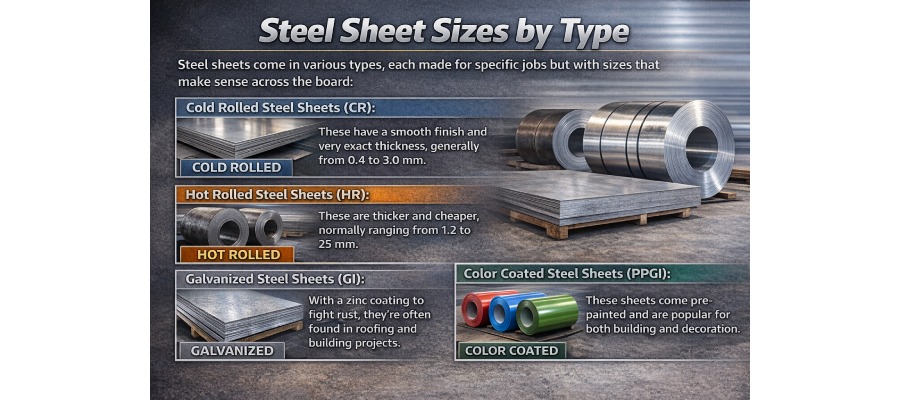
Steel sheets come in various types, each made for specific jobs but with sizes that make sense across the board:
Cold Rolled Steel Sheets (CR):
These have a smooth finish and very exact thickness, generally from 0.4 to 3.0 mm.
Hot Rolled Steel Sheets (HR):
These are thicker and cheaper, normally ranging from 1.2 to 25 mm.
Galvanized Steel Sheets (GI):
With a zinc coating to fight rust, they're often found in roofing and building projects.
Color Coated Steel Sheets (PPGI):
These sheets come pre-painted and are popular for both building and decoration.
How to Choose the Right Steel Sheet Size?
When you're picking out steel sheet sizes, here's what to keep in mind:
✅ Load and Strength: If you need more strength, go with thicker sheets.
✅ How It Bends: Thinner sheets are easier to bend and shape.
✅ Where It's Going: If it's going outside, get galvanized or coated sheets.
✅ How You're Making It: Cutting, welding, or stamping can change what thickness you need.
✅ Rules and Codes: Always follow ASTM, EN, and JIS standards.
Quick Tip: For most building and making projects, 18–14 gauge steel sheets are a good mix of strength, cost, and how easy they are to work with.
FAQs About Steel Sheet Sizes
Q: What's the usual size for a steel sheet?
A: You'll often find them in 4 ft × 8 ft (1219 × 2440 mm). It's pretty standard.
Q: Does the gauge stay the same across all steel sheet types?
A: Nope. The gauge, which shows you how thick the steel is, changes based on whether it's carbon steel, galvanized steel, or stainless steel.
Q: What if I need a special size? Can I get steel sheets cut to order?
A: Sure thing. Most places that make steel sheets can cut them from larger rolls to whatever size you need.
Q: Which one is thicker: 14 gauge or 18 gauge steel?
A: 14 gauge.
Picking the right steel sheet size is super important for keeping your project safe, strong, and on budget. When buyers and builders know the standard steel sheet sizes, gauges, and how to read a steel sheet size chart, they can be sure to get the best material for the job.
When you're shopping for steel sheets for building or factory work, make sure you buy from a supplier who knows their stuff. That way, you'll always get good quality, right-size sheets that meet all the rules.