


What Is Carbon Steel Pipe?
Carbon steel pipe is a staple in modern industry, primarily composed of carbon and iron, with carbon content typically ranging from 0.05% to 2.1%. Its strength, affordability, and versatility make it essential across various sectors.
Today, you'll find carbon steel pipes in industries like oil and gas, construction, water systems, machinery, and energy projects. They're often referred to as the “backbone” of industrial infrastructure, as they support numerous critical systems and structures.
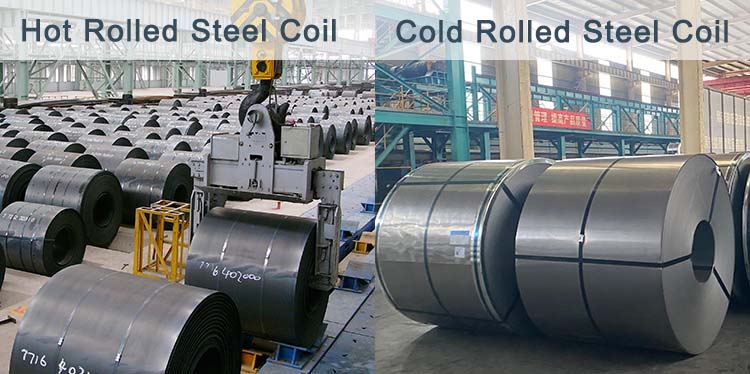
These pipes can be produced using various manufacturing techniques, such as hot rolling and cold forming. They are recognized for their durability and reliable performance, even in high-temperature conditions.
This article will delve into the different types, properties, applications, benefits, and maintenance of carbon steel pipes.
Composition and Types of Carbon Steel Pipe
Chemical Composition
Carbon steel is mainly made from carbon and iron. It also contains small amounts of manganese, silicon, sulfur, and phosphorus.
The amount of carbon affects the steel’s performance:
More carbon increases hardness and strength.
Less carbon improves flexibility and weldability.
Because of this balance, carbon steel pipes work well for many industrial and structural applications.
Types by Manufacturing Process
Seamless Steel Pipe
Seamless steel pipe is made without a welded seam. It is usually produced from hot rolled steel billets through heating and forming processes.
Because there is no weld line, seamless pipe has high strength and can handle high pressure and high temperature conditions.
Main Features
Strong structure
Good pressure resistance
Long service life
Suitable for critical systems
Common Uses
Oil and gas pipelines
Boilers
Power plants
Chemical factories
Welded Steel Pipe
Welded steel pipe is made by rolling steel plates or coils into a round shape and welding the edges together. The steel may be rolled or cold formed depending on production needs.
Common welded pipe types include:
ERW pipe
LSAW pipe
SSAW pipe
Welded pipes are more affordable and are often used for large outer diameter projects.
Main Features
Lower cost
Easy mass production
Good for large pipe sizes
Suitable for normal pressure systems
Common Uses
Water pipelines
Building structures
Fire protection systems
Industrial piping
Types by Carbon Content
Low Carbon Steel Pipe
Low carbon steel contains less than 0.25% carbon.
Features
Easy to weld
Flexible
Easy to process
Applications
Water pipes
Fence pipes
Light structural steel work
Medium Carbon Steel Pipe
Medium carbon steel contains 0.25% to 0.60% carbon.
Features
Higher strength
Better wear resistance
Applications
Machinery parts
Mechanical tubing
Industrial equipment
High Carbon Steel Pipe
High carbon steel contains more than 0.60% carbon.
Features
Very hard
Strong wear resistance
Lower flexibility
Applications
Industrial tools
Special machine parts
Main Properties of Carbon Steel Pipe
High Strength
Carbon steel pipes have good tensile strength and toughness. They can carry heavy loads and resist pressure. This makes them useful for industrial systems and structural applications.
Good Performance in Extreme Conditions
Carbon steel pipes work well in high pressure and high temperature environments. Because of this, they are widely used in power plants, refineries, and chemical industries.
Easy Processing
Carbon steel pipes are easy to:
Weld
Cut
Bend
Machine
This helps reduce installation time and construction costs.
Main Applications of Carbon Steel Pipe
Oil and Gas Industry
Carbon steel pipes are widely used for transporting oil and natural gas.
Common applications include:
Oil pipelines
Gas pipelines
Offshore projects
Refineries
Construction and Structural Engineering
Carbon steel pipe is important in structural steel projects because of its strength and durability.
Applications include:
Building columns
Bridge supports
Scaffolding
Foundation piles
Many large steel structural systems use carbon steel pipes.
Water Systems
Carbon steel pipes are also used in water transportation systems.
Examples include:
Water supply lines
Drainage systems
Fire sprinkler systems
Wastewater treatment
Machinery Manufacturing
Many industrial machines use carbon steel tubing.
Applications include:
Heat exchangers
Pressure vessels
Mechanical parts
Industrial equipment
Advantages and Disadvantages
Advantages
Cost-Effective
Carbon steel pipe is cheaper than many stainless steel or alloy products.
Strong and Durable
It has good mechanical strength and long service life.
Wide Availability
Carbon steel pipes are available in many sizes and outer diameter specifications.
Easy Installation
They are easy to cut, weld, and process.
Disadvantages
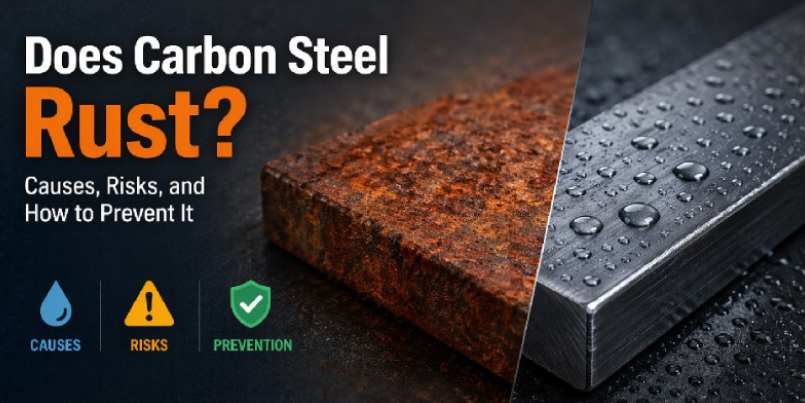
Corrosion Risk
Carbon steel can rust when exposed to moisture or chemicals.
Need for Protection
To improve corrosion resistance, pipes may need:
Galvanizing
Epoxy coating
Anti-rust paint
Cathodic protection
Standards and Selection
Common Standards
Several standards control carbon steel pipe quality:
ASTM
API
DIN
GB
These standards define material quality, dimensions, and testing requirements.
Factors to Consider
When choosing carbon steel pipe, consider:
Working Pressure
High-pressure systems usually need seamless pipes.
Temperature
Some projects require pipes that can handle high temperature conditions.
Corrosion Environment
Marine and chemical environments may require protective coatings.
Outer Diameter
The correct outer diameter affects flow rate and installation.
Maintenance and Corrosion Protection
Galvanizing
Galvanized pipes have a zinc coating that helps prevent rust.
Protective Coatings
Epoxy and polyethylene coatings protect pipes from moisture and chemicals.
Regular Inspection
Regular maintenance helps extend pipe life.
Inspection usually includes:
Wall thickness testing
Weld inspection
Corrosion checking
Conclusion
Carbon steel pipe is a crucial material in today's industry. It offers a great balance of strength, cost-effectiveness, and ease of processing. Whether it's made from hot rolled steel or created through rolled or cold forming techniques, carbon steel pipes find extensive applications in sectors like oil and gas, construction, water systems, and machinery manufacturing. While carbon steel is prone to rust, using the right coatings and regular maintenance can significantly extend its lifespan. Due to its outstanding performance and versatility in structural applications, carbon steel pipe will remain essential for global infrastructure and industrial growth.