


What is Steel Wire Rod?
Steel wire rod plays a crucial role in the construction and manufacturing sectors. Although it may seem straightforward, this semi-finished product is meticulously engineered to satisfy the varied demands of industries worldwide.
In this guide, we will explore what steel wire rod is, how it is produced, and its significance in everything from the bridges we travel on to the springs found in our mattresses.
What is Steel Wire Rod?
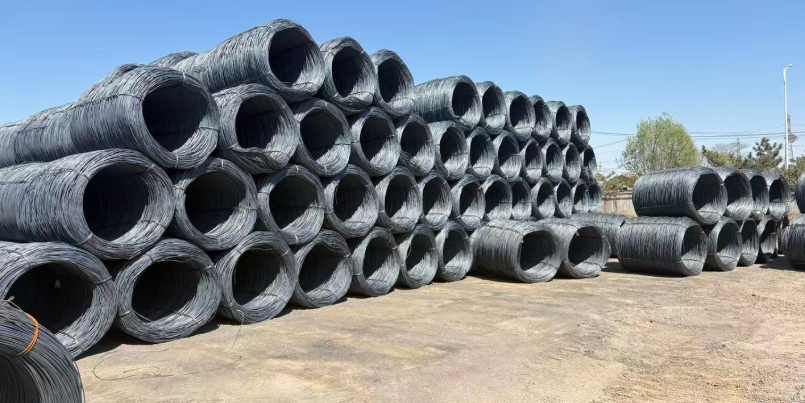
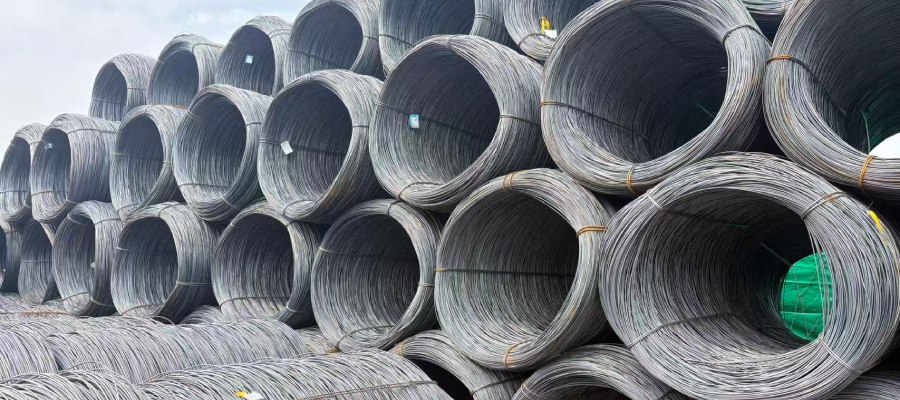
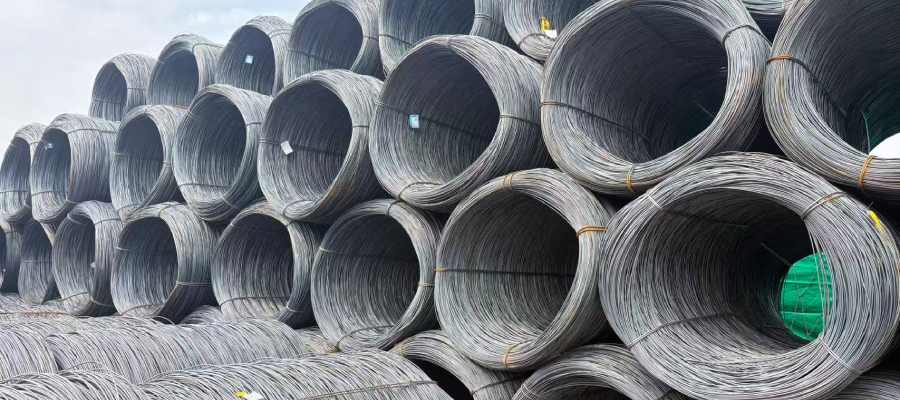
A steel wire rod is a hot-rolled steel product, typically manufactured from steel billets. It is produced in a circular, rectangular, or hexagonal cross-section, though the round shape is the most common. Unlike finished steel products, wire rods are coiled and sold as a raw material for further processing.
Because it is "cold-drawn" into thinner wires, the quality of the rod determines the strength and flexibility of the final product.
Key Types of Steel Wire Rods
Depending on the carbon content and intended use, manufacturers categorize these rods into several grades:
1. Low Carbon Steel Wire Rod
Often referred to as "mesh quality," these are used for general purposes like fencing, nails, and wire mesh. They are highly ductile and easy to form.
2. High Carbon Steel Wire Rod
When strength is the priority, high carbon steel wire rod is the industry standard. With a higher carbon concentration, these rods are exceptionally durable and resistant to wear. They are commonly used to produce:
Tire cord for the automotive industry.
High-strength bridge cables.
Prestressed concrete wires.
3. Alloy Steel Wire Rod
These contain additional elements like chromium or nickel to enhance corrosion resistance and heat tolerance, making them ideal for specialized engineering tools.
Steel Rod Wire Manufacturing Process
The transition from a raw steel billet to a steel rod wire involves several sophisticated steps:
1. Heating: Steel billets are heated in a furnace to temperatures above 1,100°C to make them easier to shape.
2. Rolling: The heated billet moves through a series of rolling stands, where each stand reduces its diameter and increases its length.
3. Cooling: This stage is crucial. Controlled cooling, often using the Stelmor process, affects the steel wire rod's metallurgical properties, including hardness and grain structure.
4. Coiling and Packing: The finished rod is coiled into heavy rolls, typically weighing between 1.5 to 2.5 tons, for convenient transport.
Common Applications of Steel Rod Wire
You probably come into contact with products made from steel rod wire every day without even noticing. Its adaptability means it can be shaped into a variety of forms:
1. Construction: Reinforcement for concrete, nuts, bolts, and screws.
2. Automotive: Suspension springs, valve springs, and tire reinforcement.
3. Infrastructure: Suspension cables for massive bridges and high-tension electrical wires.
4. Consumer Goods: Hangers, paperclips, kitchen utensils, and furniture springs.
Why Quality Matters
For engineers and buyers, choosing the right high carbon steel wire rod involves more than just considering the price. It's essential to look at various quality indicators, which include:
1. Dimensional Accuracy: Consistency in diameter ensures the wire doesn't snap during the drawing process.
2. Surface Finish: A smooth surface prevents cracks and failures in the finished wire.
3. Mechanical Properties: Proper tensile strength and elongation are vital for safety-critical applications like elevator cables.
The steel wire rod is often overlooked, yet it plays a crucial role in various industries. From the low-carbon mesh used in garden fences to the high-carbon steel wire rods that provide structural support for skyscrapers, this material is essential. As manufacturing technology advances, we can look forward to improved performance and more sustainable production methods for this vital steel wire product.