


What is Steel Billets?
Steel billets are semi-finished steel products formed by casting molten steel into solid shapes, typically through continuous casting or traditional rolling processes. They serve as a crucial intermediate material in the steel manufacturing chain.
Often referred to as the “bridge” of the steel industry, steel billets connect raw steel production with downstream finished products. Without billets, it would be difficult to efficiently produce a wide range of steel goods used in construction, manufacturing, and infrastructure.

Production Process
Raw Materials
Steel billets are produced using two primary routes:
Blast furnace route: using iron ore as the main raw material
Electric arc furnace (EAF) route: using scrap steel
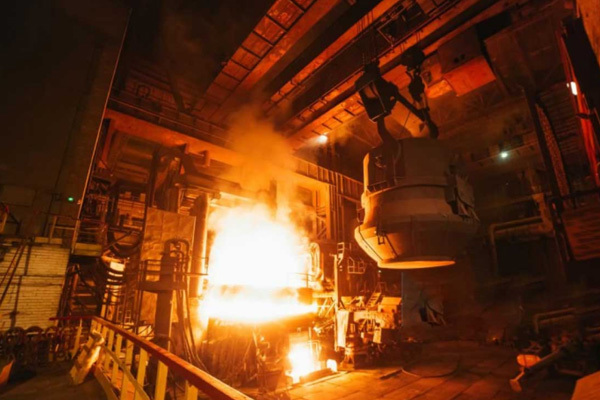
Steelmaking Stage
In this stage, molten steel is refined by removing excess carbon and impurities such as sulfur and phosphorus. This ensures the desired chemical composition and mechanical properties.
Continuous Casting
Continuous casting is the most common method for producing steel billets today. Molten steel is poured into a mold (crystallizer), where it begins to solidify as it cools. The partially solidified steel is continuously withdrawn, cooled further, and cut into fixed lengths. This process improves efficiency, reduces waste, and ensures consistent quality.
Blooming (Initial Rolling)
Before continuous casting became widespread, steel billets were often produced through blooming mills. In this traditional process, large steel ingots are reheated and rolled into smaller cross-sections. Compared to continuous casting, blooming is less efficient but still used in certain applications.
Key Classifications
By Cross-Section Shape
(1)Square Billets
These have a square cross-section and are widely used to produce rebar, wire rods, and other long steel products.
(2)Slabs
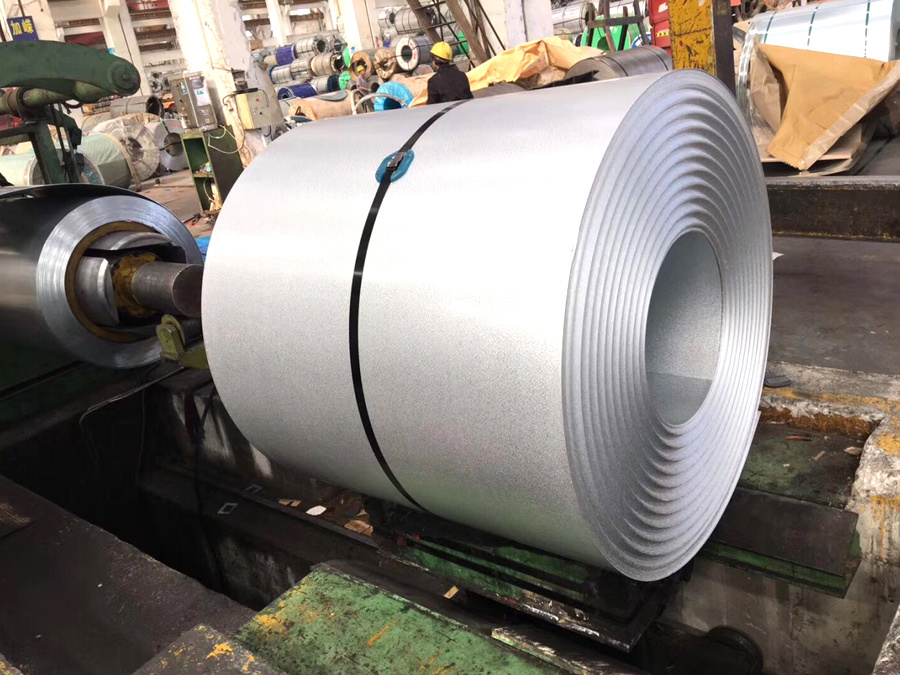
Slabs have a rectangular cross-section and are mainly used for producing hot rolled coils, plates, and sheets.
(3)Round Billets
These are circular in shape and are typically used in the production of seamless steel pipes.
By Chemical Composition
Carbon Steel Billets (low, medium, high carbon)
Low Alloy Steel Billets
Stainless Steel Billets
Each type is designed for specific mechanical properties and applications.
Applications
(1)Long Product Manufacturing
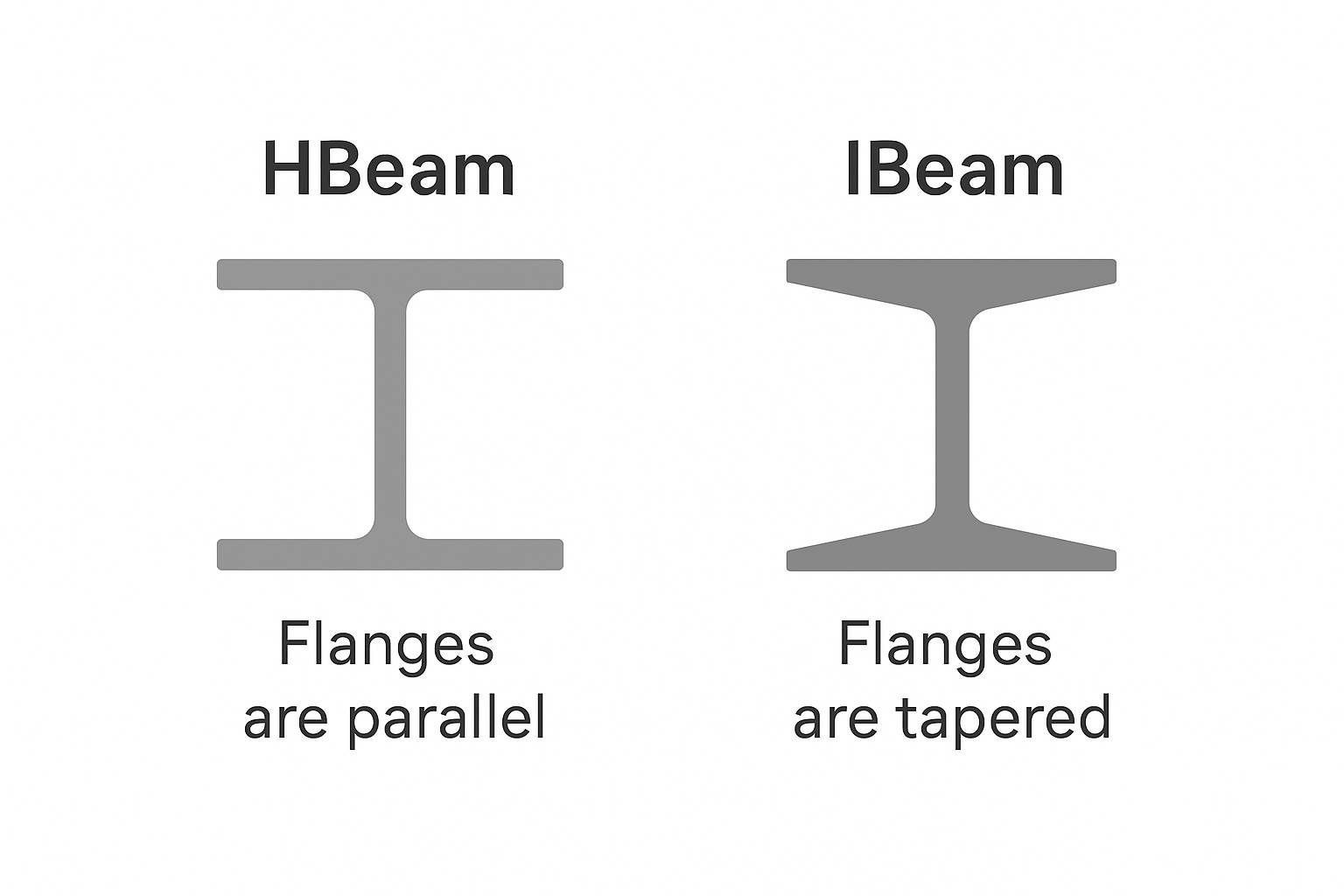
Steel billets are rolled into construction materials such as rebar, I-beams, and channels.
(2)Wire Rod Processing
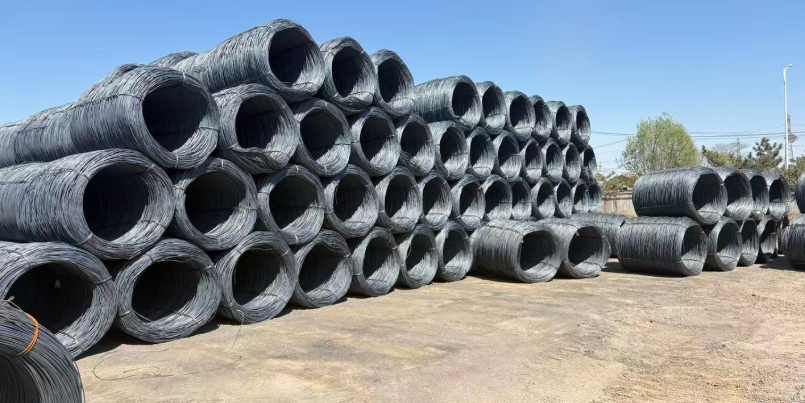
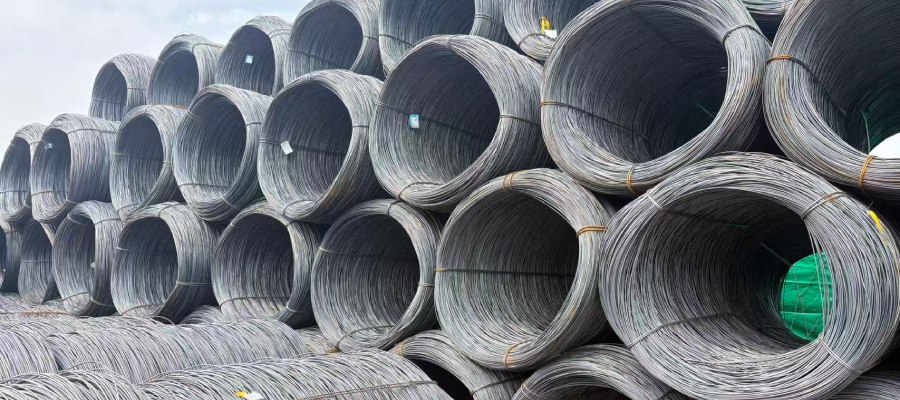
Billets are transformed into wire rods, which are further processed into steel wires, cables, and prestressed strands.
(3)Machinery Manufacturing
They are widely used as raw materials for forging components in machinery and automotive industries.
(4)Infrastructure Development
Steel billets are essential in producing materials used in bridges, tunnels, railways, and high-rise buildings, forming the backbone of modern infrastructure.
Steel billets play an irreplaceable role in modern industry, acting as the foundation for countless steel products used in daily life and large-scale infrastructure.
Looking ahead, advancements in green steelmaking technologies and sustainable practices will significantly influence how steel billets are produced. As the industry evolves, steel billets will remain a vital link in building a more efficient and environmentally responsible future.