


Carbon Steel Coil: A Practical Guide to High and Low Carbon Options
In the steel industry, carbon steel coil is a crucial material for construction, manufacturing, and infrastructure projects. Customers appreciate its balance of performance, accessibility, and affordability. Yet, choosing between high carbon steel coil and low carbon steel coil requires a clear grasp of their distinct properties and applications.
What Is Carbon Steel Coil?
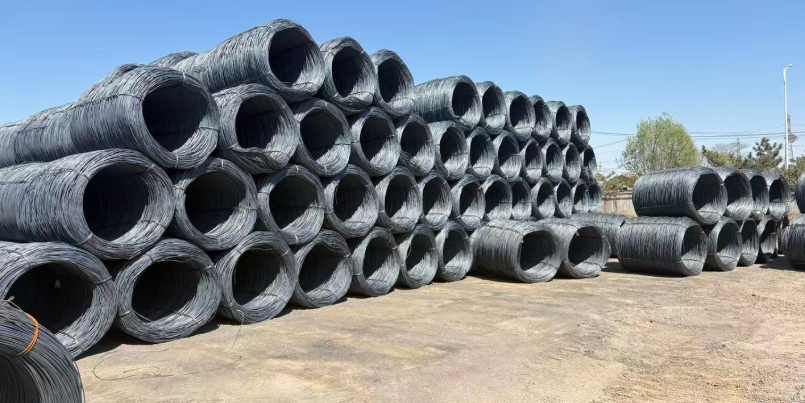
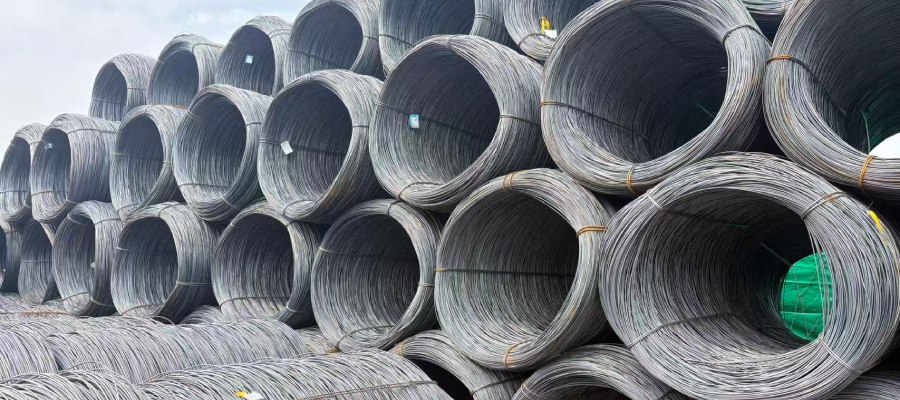
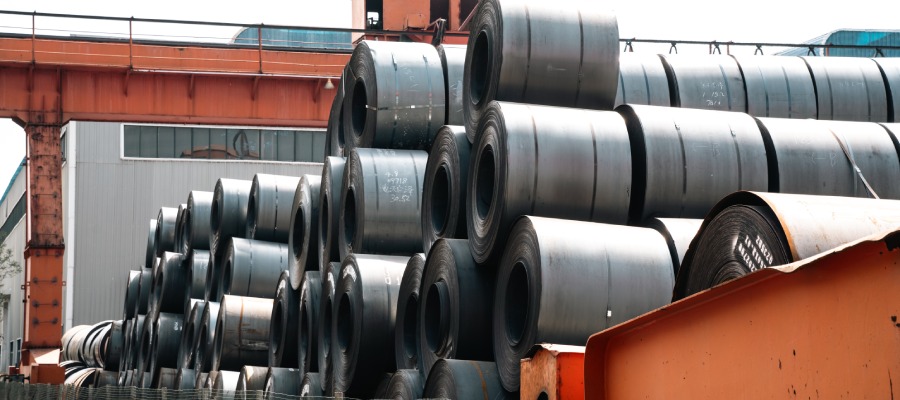
A carbon steel coil is a rolled steel product where carbon is the primary alloying element. It is typically supplied in coiled form, making it easier for storage, transport, and continuous processing. Compared to other materials, this product offers a balance of strength and affordability, which explains its widespread use across various industries.
Key Types: High vs. Low Carbon Steel
Low Carbon Steel Coil
Low carbon steel coil contains a lower carbon content (generally below 0.25%), making it softer and more formable.
Main Advantages:
Excellent weldability
High ductility
Easy to cut and shape
Typical Uses:
Automotive components
Roofing sheets and panels
Pipes and structural sections
For projects that require flexibility and easy processing, this option is often the preferred choice among buyers. It's a versatile solution that meets their needs efficiently.
High Carbon Steel Coil
High carbon steel coil has a higher carbon percentage (usually above 0.6%), resulting in greater hardness and strength.
Main Advantages:
High wear resistance
Increased tensile strength
Longer service life in demanding conditions
Typical Uses:
Springs and wire products
Industrial tools
Machinery parts
This type has important applications that require durability and performance
Production Process Overview
The manufacturing process typically involves several key steps to ensure consistent quality and compliance with international standards. This often includes hot rolling to shape the steel at high temperatures, followed by cold rolling if needed to improve the surface finish and dimensional accuracy. Surface treatments like pickling or coating may also be applied as part of the overall process. These standardized procedures help meet the requirements of organizations like ASTM, JIS, and EN.
Key Benefits for B2B Buyers
Choosing this steel product offers several commercial advantages: competitive pricing compared to alloy steel, a wide range of specifications and grades, and strong global supply availability. It's suitable for both light and heavy industrial use, making it a reliable option with stable demand across multiple sectors for importers and distributors.
How to Select the Right Option
When sourcing materials, buyers should consider several key factors to ensure the best fit for their application. First, they need to assess their specific needs in terms of strength versus flexibility. The material grade, whether high or low carbon content, will impact these performance characteristics. Additionally, the surface condition, whether hot or cold rolled, can affect processing and finishing requirements. Finally, it's crucial to evaluate the supplier's reliability, including their quality control processes and export experience. Making informed choices in these areas can help reduce costs and enhance overall project efficiency.
Market Demand and Trends
With ongoing infrastructure development and industrial growth, the global demand for goods and services continues to rise. Buyers are increasingly seeking suppliers who can offer consistent quality, flexible specifications, and competitive pricing to meet their evolving needs.
Conclusion
Understanding the difference between high carbon steel coil and low carbon steel coil is crucial for effective sourcing. Each type serves a distinct purpose, and selecting the appropriate material ensures better performance and cost efficiency. For international buyers, collaborating with an experienced supplier can make a significant difference in product quality, delivery reliability, and long-term cooperation.