


Steel Angle Sizes: Angle Steel Sizes and Standards
Steel angle, often referred to as angle steel or angle bar, is a crucial structural material commonly used in construction, manufacturing, and engineering projects. It's important to understand the various sizes of steel angles to choose the right one for your needs, ensuring both strength and cost-effectiveness.
What Are Steel Angle Sizes?
Angle bar sizes refer to the dimensions of the angle bar, typically expressed as:
Leg Length × Leg Length × Thickness (for equal angles)
Leg Length 1 × Leg Length 2 × Thickness (for unequal angles)
For example:
50 × 50 × 5 mm (equal angle)
75 × 50 × 6 mm (unequal angle)
Other important size parameters include:
Length (commonly 6m, 9m, 12m)
Weight per meter
Standard tolerance
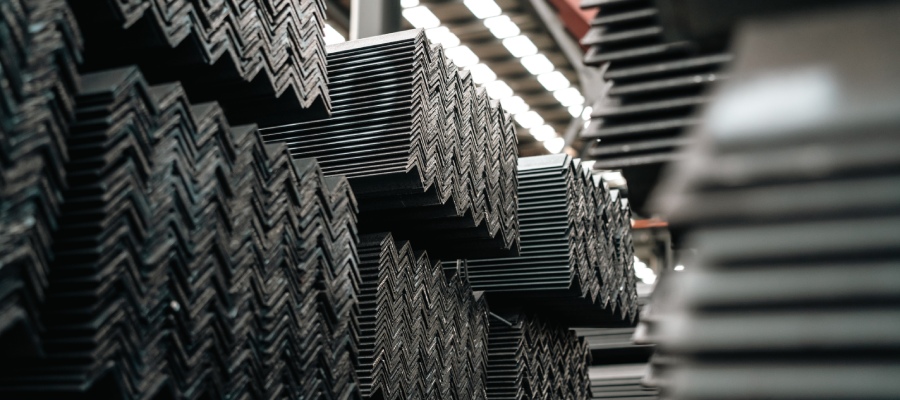
Types of Angle Steel Sizes
1. Equal Steel Angle Sizes
Equal angles have two legs of the same length and are the most commonly used.
Common sizes:
20 × 20 × 3 mm
30 × 30 × 3 mm
50 × 50 × 5 mm
100 × 100 × 10 mm
200 × 200 × 20 mm
Applications:
Frames and brackets
Towers and structures
General construction
2. Unequal Angle Steel Sizes
Unequal angles have legs of different lengths, offering more flexibility in design.
Common sizes:
50 × 30 × 4 mm
75 × 50 × 6 mm
100 × 75 × 8 mm
150 × 90 × 10 mm
Applications:
Structural supports
Machinery frames
Reinforcement in complex designs
Steel Angle Sizes Chart (Typical Range)
Size (mm) | Thickness (mm) | Weight (kg/m) |
25 × 25 | 3 | 1.12 |
40 × 40 | 4 | 2.42 |
50 × 50 | 5 | 3.77 |
75 × 75 | 6 | 6.80 |
100 × 100 | 8 | 12.20 |
150 × 150 | 12 | 27.30 |
Note: Values may vary slightly depending on standards and manufacturers.
Standard Steel Angle Sizes
Steel angle sizes are produced according to international standards, ensuring consistency and compatibility:
ASTM A36 / ASTM A6 (USA)
EN 10056 (Europe)
JIS G3192 (Japan)
GB/T 706 (China)
Typical standard length:
6 meters
9 meters
12 meters
Custom sizes and cut lengths are also available from manufacturers.
How to Choose the Right Angle Steel Size
When selecting the appropriate hot rolled angle steel size, consider:
1. Load Requirements – Heavier loads require thicker and larger angles
2. Application Type – Structural vs decorative use
3. Environment – Outdoor use may require galvanized angles
4. Cost Efficiency – Avoid over-specifying size
FAQ: Steel Angle Sizes
1. What is the standard size of steel angle?
There is no single standard size. Steel angles come in a wide range, typically from 20×20 mm to 200×200 mm, with thickness from 3 mm to 20 mm depending on standards.
2. How are steel angle sizes measured?
Steel angle sizes are measured by:
Leg length(s)
Thickness
For example, 50×50×5 mm means equal legs of 50 mm and thickness of 5 mm.
3. What is the difference between equal and unequal angle sizes?
Equal angle: Both legs are the same length
Unequal angle: Legs have different lengths
Unequal angles are used when different load distributions are required.
4. Are angle bar sizes the same worldwide?
No, sizes can vary slightly depending on standards such as ASTM, EN, JIS, or GB. However, many sizes are widely compatible across markets.
Conclusion
Understanding the sizes of steel angles, whether they are equal or unequal, along with their standard dimensions and thickness options, is essential for choosing the right material. By referring to a dependable steel angle sizes chart and taking your specific application needs into account, you can achieve the best performance and cost-effectiveness for your projects.