


Complete Guide to Square and Rectangular Galvanized Steel Tubes
Galvanized steel tubes are essential components in modern construction, industrial fabrication, and infrastructure projects. Their corrosion resistance, durability, and versatility make them ideal for structural and aesthetic applications. Choosing the right type and size of galvanized steel tube ensures safety, cost-effectiveness, and long-lasting performance. This guide explores square galvanized steel tube, galvanized steel rectangular tube, and galvanized steel square tube, covering specifications, applications, and selection tips.
What Are Galvanized Steel Tubes?
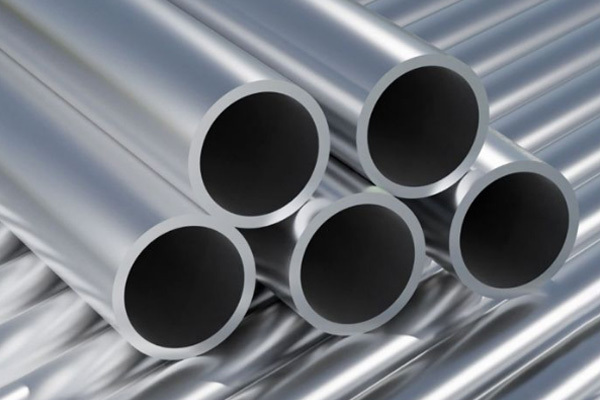
Galvanized steel tubes are steel pipes coated with a layer of zinc to prevent rust and corrosion. The galvanization process enhances durability, making these tubes suitable for outdoor, industrial, and high-moisture environments. They are widely used in construction, furniture, pipelines, scaffolding, and machinery frames.
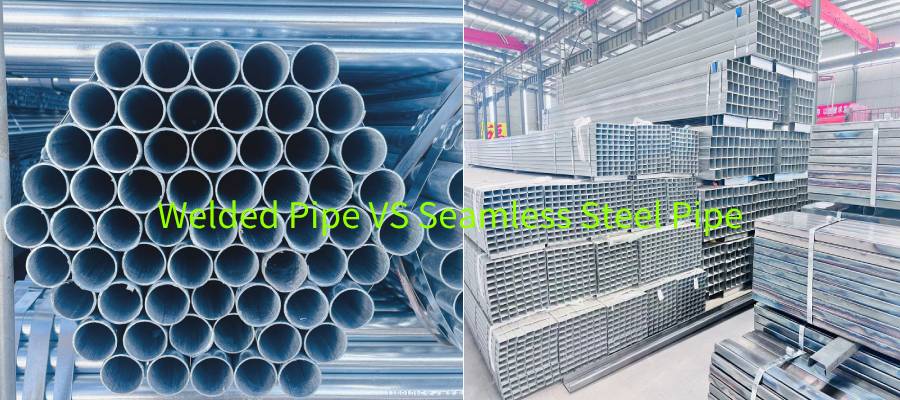
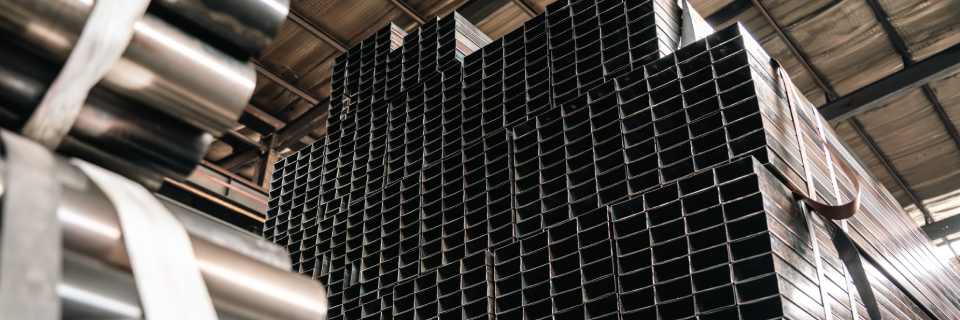
Square galvanized steel tube / galvanized steel square tube – Tubes with equal width and height, forming a square cross-section.
Galvanized steel rectangular tube – Tubes with unequal width and height, forming a rectangular cross-section.
Both types offer high strength-to-weight ratios, precise dimensions, and easy installation.
Click here for product information
Sizes and Specifications of Galvanized Steel Tubes
Galvanized steel tubes are available in a wide range of sizes. Unlike rebar, their dimensions are usually described by width × height × wall thickness (mm or inches).
Common Sizes:
Square Tubes (mm):
20 × 20 × 1.5
25 × 25 × 2
40 × 40 × 2.5
50 × 50 × 3
100 × 100 × 4
Rectangular Tubes (mm):
30 × 20 × 1.5
50 × 30 × 2
80 × 40 × 3
100 × 50 × 4
150 × 100 × 5
Wall thickness options typically range from 1.0 mm to 6.0 mm, depending on load requirements. Metric and imperial units are commonly used in different regions.
Weight per meter and cross-sectional area are important for structural calculations. Engineers should refer to manufacturer charts to determine load-bearing capacity.
Applications of Galvanized Steel Square and Rectangular Tubes
Both square and rectangular galvanized tubes serve critical roles in multiple industries:
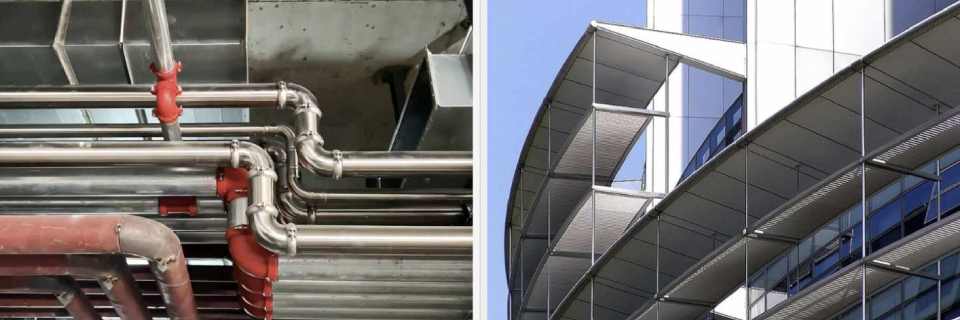
Tube TypeTypical ApplicationsSquare galvanized steel tubeStructural frameworks, scaffolding, fences, furniture, handrailsGalvanized steel rectangular tubeBridges, roof trusses, machinery frames, industrial rackingGalvanized steel square tubeResidential construction, columns, supports, gates
Key advantage: Square tubes provide uniform load distribution, while rectangular tubes offer flexibility for longer spans or specific load-bearing requirements.
How to Choose the Right Galvanized Steel Tube
Selecting the appropriate tube type and size depends on the following factors:
1.Load Requirements – Heavier loads require thicker walls and larger cross-sections.
2.Environment – Outdoor or high-moisture locations benefit from thicker galvanization.
3.Design Needs – Rectangular tubes are preferable for long-span frameworks; square tubes are ideal for modular structures.
4.Compatibility – Ensure tube dimensions fit standard connectors and fasteners.
Pro Tip: For fencing, gates, and light frameworks, 25–50 mm square tubes with 1.5–3 mm wall thickness are sufficient. For industrial or structural applications, 80–150 mm rectangular tubes with 3–6 mm thickness are recommended.
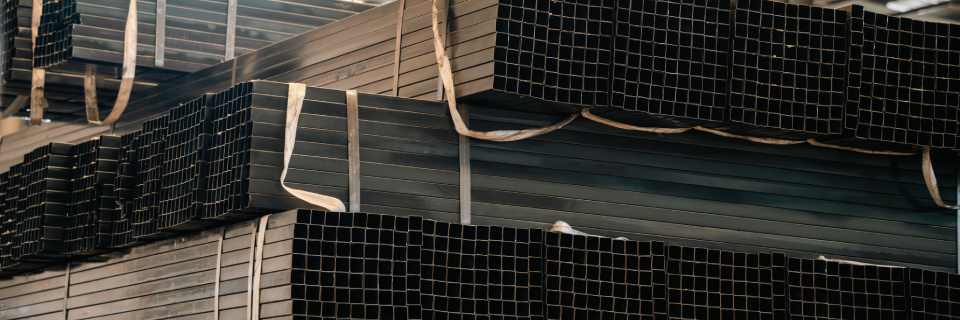
Benefits of Using Galvanized Steel Tubes
Corrosion Resistance – Zinc coating prevents rust for decades.
Strength and Durability – Can withstand heavy loads and harsh weather.
Versatility – Suitable for construction, machinery, furniture, and industrial projects.
Low Maintenance – Requires minimal upkeep compared to untreated steel.
FAQs About Galvanized Steel Tubes
Q: What’s the difference between square and rectangular tubes?
A: Square tubes have equal width and height, providing uniform strength; rectangular tubes have unequal sides, offering flexibility for structural design.
Q: Can galvanized steel tubes be cut and welded?
A: Yes, they can be cut, welded, and fabricated using standard steel tools.
Q: Are these tubes suitable for outdoor use?
A: Absolutely. Galvanization protects them from moisture and corrosion, making them ideal for outdoor structures.
Q: How do I calculate the load capacity?
A: Consult manufacturer charts that provide weight per meter and allowable stress limits based on tube dimensions and wall thickness.
Conclusion
Choosing the right square galvanized steel tube, galvanized steel rectangular tube, or galvanized steel square tube is critical for structural safety, durability, and efficiency. Small tubes suit residential or light-duty projects, while larger, thicker tubes are ideal for industrial or heavy-duty applications. Always consider load, environment, and design requirements when selecting the best galvanized steel tube for your project.
For high-quality galvanized steel tubes in various sizes and thicknesses, contact our factory today to get expert recommendations and a competitive quotation.