


What Is Hot Rolled Coil? Complete Guide to HRC Steel
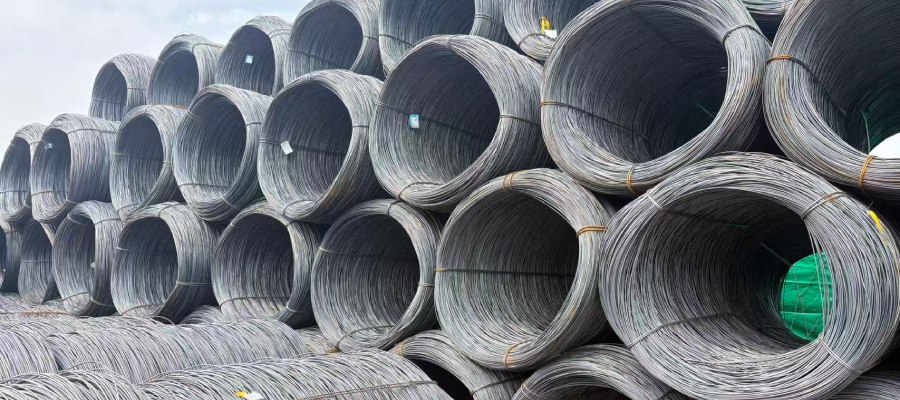
One of the most common steel products available in the world is Hot rolled coil (HRC). It is created by rolling steel at high temperature, normally above 900degC when the steel can be easily formed. Hot rolled coil is frequently used in construction and its production process in the manufacturing industry is efficient and in the production of pipelines, in shipbuilding, and in the automotive industry.
Hot rolled coils (HRC) are available in large coils and are later cut into sheets or pipes or other shapes of construction. It is strong, flexible and inexpensive hence it is used in a lot of industries. You can know whether to use hot rolled coils in a project in case you are a buyer or an engineer by knowing what properties it possesses, the grades and the applications it is used in.
What Is Hot Rolled Coil (HRC)
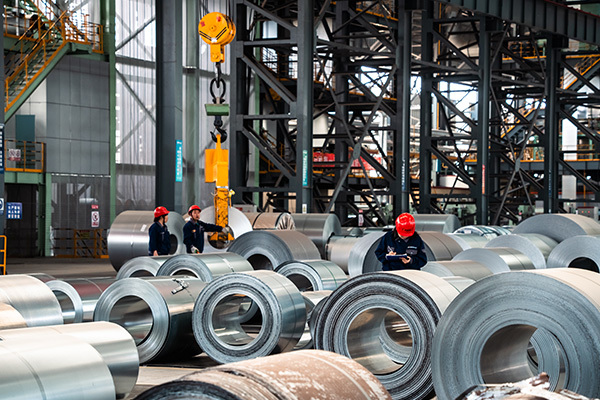
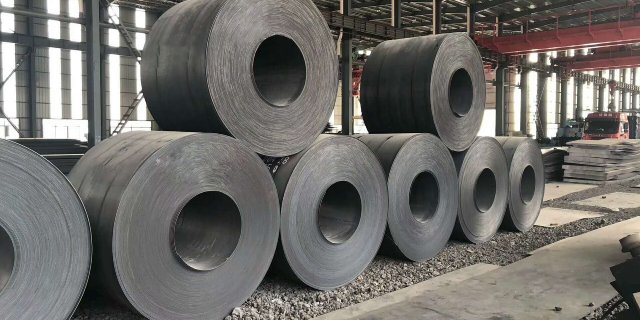
Hot rolled coil refers to steel that has been rolled at high temperatures in a rolling mill and then wound into coils for storage and transportation. During the process, steel slabs are heated in a furnace and passed through a series of rollers to reduce thickness and shape the material.
Because the steel is rolled while hot, it becomes easier to form and allows manufacturers to produce large volumes efficiently. However, the high temperature also causes slight dimensional variations and surface oxidation.
Hot rolled coil is widely used as a base material for other steel products such as:
Steel pipes
Structural steel sections
Cold rolled steel sheets
Automotive parts
Construction components
Due to its versatility, HRC is considered a fundamental product in the steel supply chain.

What Is the Common Thickness of Hot Rolled Coil
The thickness of hot rolled coil can vary depending on its intended application. Most HRC products fall within the following range:
Thickness: 1.2 mm – 25 mm
Width: 600 mm – 2000 mm
Coil weight: commonly 5–30 tons
For construction and structural applications, thicker coils are often preferred. In contrast, thinner hot rolled coils are commonly used as raw materials for cold rolling or further processing.
Different industries may require customized thickness and width specifications based on production needs.
What Are the Common Grades of Hot Rolled Coil
Hot rolled coil is available in various steel grades depending on mechanical properties and chemical composition. Some of the most widely used grades include:
Q235 – A common Chinese structural steel grade
A36 – Widely used structural steel in the United States
SS400 – A standard structural steel grade in Japan
S235 / S275 – European structural steel grades
SAE1006 / SAE1008 – Low carbon steel grades used in forming applications
These grades differ in strength, ductility, and chemical composition, allowing them to be used in different industrial sectors.
Why Does HRC Have a Black Oxide Surface
One noticeable characteristic of hot rolled coil is the dark or black surface known as mill scale. This layer forms during the high-temperature rolling process when steel reacts with oxygen in the air.
The oxide layer is mainly composed of iron oxides and can protect the steel surface temporarily. However, it may need to be removed for certain applications that require a smoother surface finish.
Common methods to remove mill scale include:
Pickling with acid
Mechanical cleaning
Sandblasting
After removal, the steel surface becomes smoother and ready for further processing.
What Is the Difference Between Hot Rolled and Cold Rolled Steel
Hot rolled steel and cold rolled steel differ mainly in their manufacturing processes and final properties.
Hot Rolled Steel
Produced at high temperatures
Lower production cost
Rougher surface finish
Slightly less precise dimensions
Cold Rolled Steel
Processed at room temperature after hot rolling
Smoother surface and tighter tolerances
Higher strength due to work hardening
Higher production cost
In many industries, hot rolled coil is used as the raw material for producing cold rolled steel.
How to Calculate the Theoretical Weight of Hot Rolled Coil
The theoretical weight of hot rolled coil can be calculated using a simple formula based on its dimensions.
Formula:
Weight (kg) = Thickness (mm) × Width (mm) × Length (m) × 7.85
Where 7.85 represents the density of steel in g/cm³.
For example:
If a steel sheet has a thickness of 5 mm, a width of 1500 mm, and a length of 10 meters, the approximate weight can be calculated using this formula.
This calculation helps buyers estimate shipping weight and material costs when purchasing steel coils.
Why Hot Rolled Coil Is Cheaper Than Cold Rolled Coil
Hot rolled coil is generally cheaper than cold rolled steel because its manufacturing process is simpler and requires fewer processing steps.
Key reasons include:
Fewer finishing processes
Lower energy consumption after rolling
Higher production efficiency
Reduced surface treatment requirements
Cold rolled steel requires additional processing such as pickling, cold rolling, annealing, and temper rolling, which increases production costs.
Hot Rolled Coil Market Trends in 2026
In 2026, the global hot rolled coil market continues to be influenced by several factors, including infrastructure development, energy demand, and industrial manufacturing growth.
Some major trends include:
Increasing demand from infrastructure and construction projects
Growth in emerging markets in Asia and Africa
Fluctuations in raw material prices such as iron ore and coking coal
Expansion of green steel production technologies
Global trade policies and transportation costs also play an important role in determining regional HRC prices and supply chains.
About Hot Rolled Coil Suppliers
Big steel factories make hot rolled coil, and then it goes out into the world with help from special steel exporters and suppliers. These suppliers are really important because they connect steel makers with construction companies, manufacturers, and big projects all over the world.
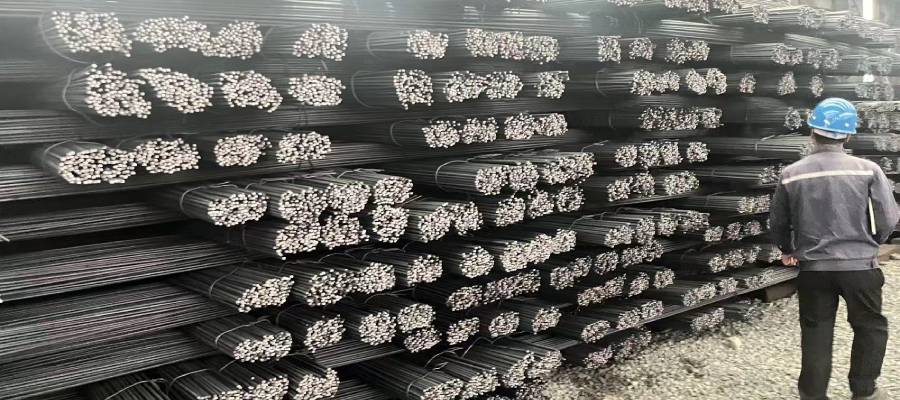
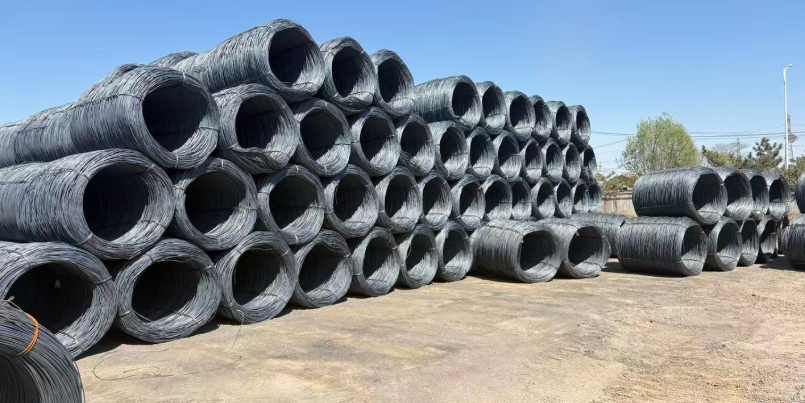
A lot of buyers from other countries choose to work with experienced exporters because they can offer a steady supply, adjust to different needs, and handle shipping well. For example, Shineyond Group, a steel exporter from China, sends a bunch of different steel products like hot rolled coil, steel sheets, wire rod, and rebar to customers in other countries.
When selecting a hot rolled coil supplier, buyers often consider several factors:
Production source and mill certification
Consistent product quality
Export experience and logistics capability
Ability to provide different grades and sizes
Working with reliable suppliers helps ensure that hot rolled coil products meet industry standards and arrive on schedule for construction and manufacturing projects.
FAQ
What is hot rolled coil used for?
Hot rolled coil is widely used in construction, automotive manufacturing, shipbuilding, pipelines, and machinery production.
Is hot rolled coil stronger than cold rolled steel?
Cold rolled steel generally has higher strength due to additional processing, but hot rolled steel is more ductile and easier to form.
Can hot rolled coil be used for structural applications?
Yes, many structural components such as beams, frames, and supports are produced using hot rolled steel.
Does hot rolled coil rust easily?
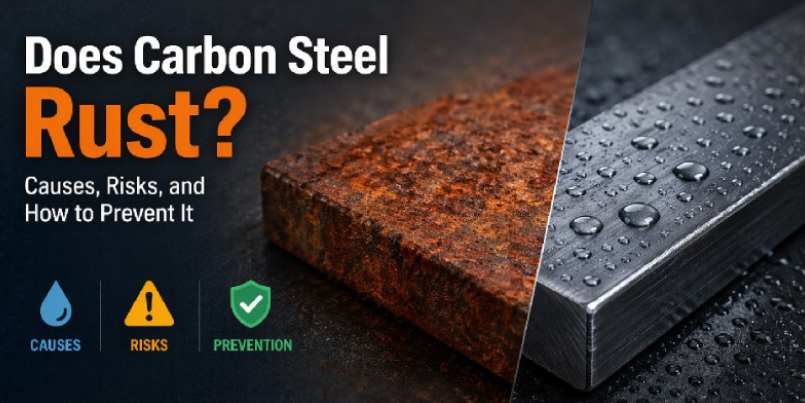
Like most carbon steels, hot rolled coil can rust if exposed to moisture for long periods. Protective coatings or treatments are often used to prevent corrosion.
Conclusion
Hot rolled coil is a basic kind of steel that many industries today rely on. It's easy to make, versatile, and not too expensive, which is why it's a popular choice for building things, making products, and infrastructure projects.
Knowing about the different features, types, and uses of HRC helps buyers and engineers choose the right steel materials. With the world needing more infrastructure and industrial growth, hot rolled coil will keep being a key part of how we get steel.