


6mm Steel Rebar Uses and Key Benefits
6mm steel rebar is a widely used small-diameter reinforcing bar that plays an important role in modern construction work. Although it looks thin compared to larger reinforcing bars, its performance, flexibility, and practical strength make it highly suitable for light structural reinforcement. Many contractors, engineers, and precast factories rely on 6mm bars for structural support, crack control, and overall concrete stability. Because it is easy to bend, transport, and install, 6mm steel rebar is popular in both residential projects and large-scale construction tasks.
What Is 6mm Steel Rebar?
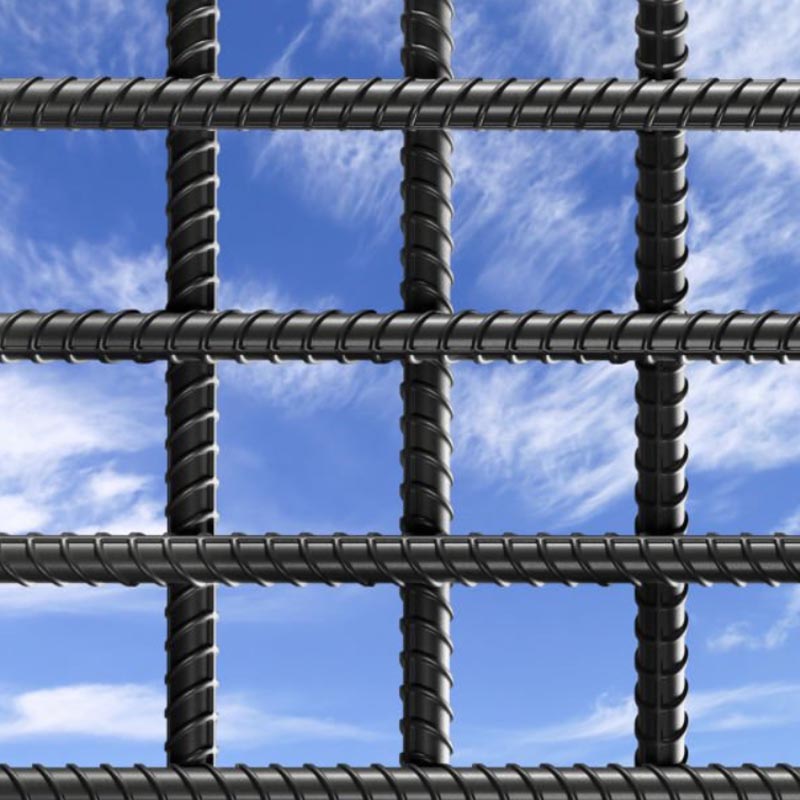
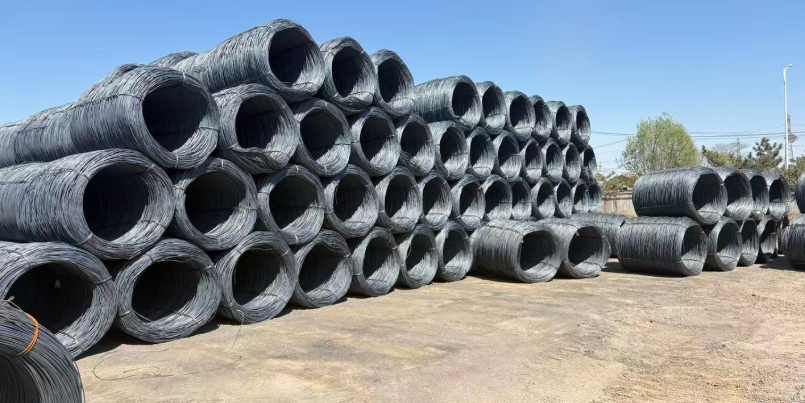
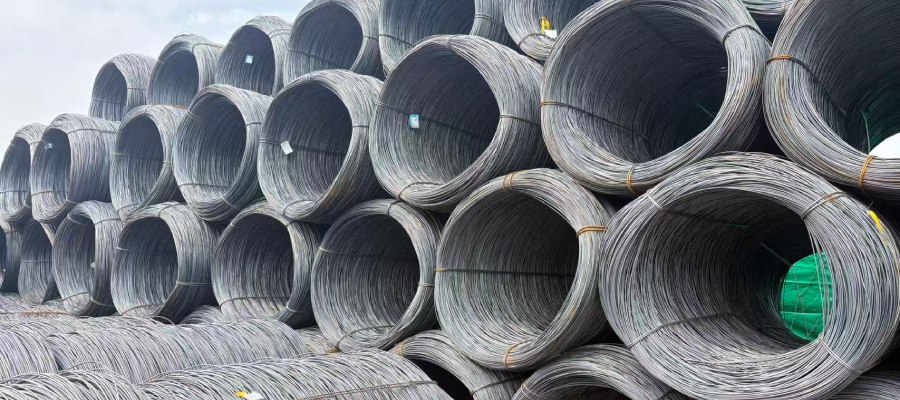
6mm steel rebar refers to a reinforcement bar with a nominal diameter of 6 mm. This size is usually available in straight lengths or coils, depending on project requirements. It can be made as smooth plain bars or as deformed bars with rib patterns designed to improve bonding with concrete. Despite its small size, it provides effective tensile strength and helps prevent cracking in concrete structures.
Common specifications include:
Diameter: 6 mm
Cross-sectional area: approx. 28.27 mm²
Length: 6 m, 9 m, 12 m, or customized
Grades: HRB400, HRB500, ASTM A615, BS460, B500B
Forms: straight rods, coils, welded mesh components
The versatility of 6mm steel rebar allows it to be used in many structural elements where lightweight reinforcement is needed.
Where Is 6mm Steel Rebar Used?
6mm steel rebar is commonly used in many concrete projects. It helps maintain structural integrity and supports the main bars by providing secondary reinforcement. Below are the most typical applications:
1. Stirrups and Shear Reinforcement
It is one of the most popular choices for stirrups in reinforced concrete beams and columns. Stirrups made from 6mm bars hold the main rebars in place and resist shear forces, ensuring that beams and columns remain stable under load.
2. Floor Slabs and Pavement Reinforcement
Many thin floor slabs require light reinforcement to control cracking caused by temperature changes or shrinkage. 6mm bars are used as distribution bars in slabs, walkways, residential floors, and small pavement projects.
3. Masonry Walls and Block Structures
In brick walls or block masonry, 6mm steel rebar provides extra strength. It is often inserted horizontally or vertically to minimize cracking and increase the overall stability of the wall.
4. Precast Elements and Mesh Products
Precast factories frequently use 6mm bars to produce welded mesh, lintels, fence panels, concrete pipes, and lightweight precast beams. Because the bars are easy to process and weld, they improve productivity in precast manufacturing.
5. Residential and DIY Construction
Home builders and DIY users choose 6mm bars because they are lightweight and easy to carry or cut. They are used for small structural repairs, garden constructions, concrete steps, driveways, and various reinforcing tasks.
Advantages of 6mm Steel Rebar
Easy to Cut and Bend
6mm bars can be bent on-site without large bending machines. This saves time, reduces labor, and makes installation more flexible for complicated shapes.
Good Bond Strength
Most 6mm steel rebars are deformed bars, meaning they have ribs that help create a stronger mechanical grip with the concrete. This ensures that the bar and concrete work together to resist tension and load.
Lightweight but Reliable
Each meter of 6mm bar weighs around 0.222 kg, making it very easy to transport and stack. This also reduces shipping costs, especially for large orders.
Cost-Effective for Light Reinforcement
For structures that do not require heavy bars, 6mm steel rebar provides a perfect balance between strength and economy. Contractors can use it to reinforce thinner slabs, small beams, and various light components without increasing the project's cost.
Wide Compatibility With Concrete Structures
Whether used alone or combined with larger rebar sizes, 6mm bars function well in different structural designs. They improve distribution reinforcement and prevent cracking, especially in concrete elements with minimal thickness.
6mm Rebar Weight and Calculation
Understanding the weight of the bar helps engineers estimate consumption and budget. The rebar weight formula is:
Weight (kg/m) = Diameter² × 0.00617
For 6mm diameter:
Weight ≈ 0.222 kg/m
12m bar weight ≈ 2.66 kg
This makes handling easier and reduces overall manual labor.
Conclusion
6mm steel rebar is a practical and versatile material widely used in construction. It strengthens concrete components, reduces cracking, and ensures long-term durability. With its lightweight nature, easy workability, and reliable performance, it remains a top choice for both large construction companies and small project users. Whether used in stirrups, slabs, masonry, or precast products, 6mm steel rebar delivers cost-effective and dependable reinforcement in a wide range of applications.