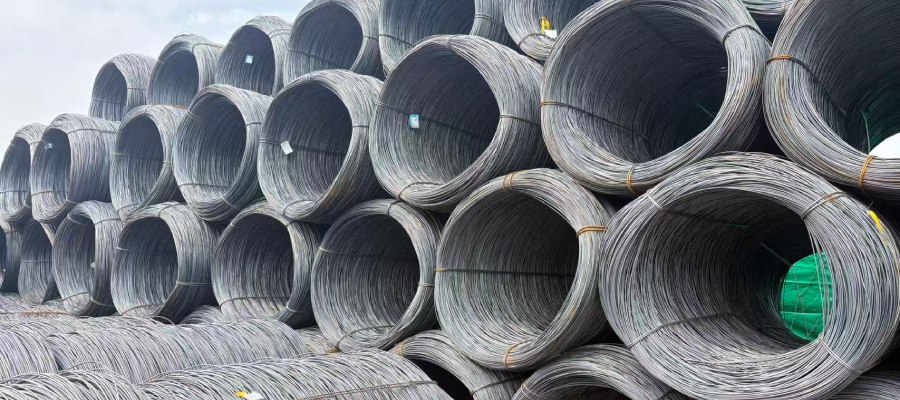



What is Wire Rod?
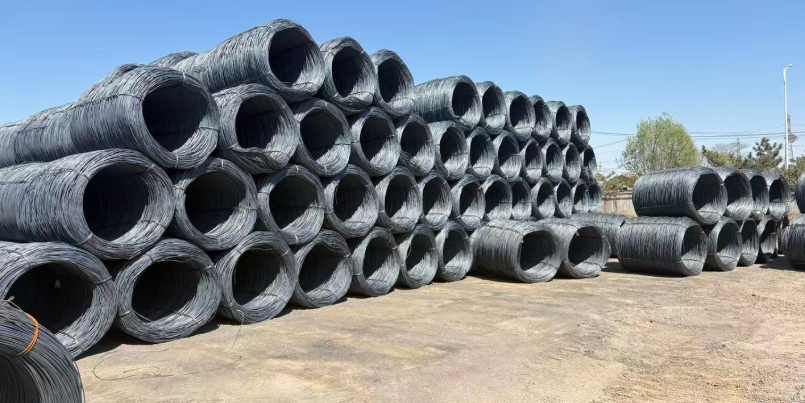
Wire rod is one of the most common products of hot-rolled steel. It is usually produced in the form of round steel coils and is the main raw material for various steel wire products. In China, wire rod typically refers to hot-rolled round bars with a diameter of 5mm to 9mm, with a wide range of standard specifications available. In other countries, wire rods may also have square, oval or trapezoidal cross-sectional shapes, depending on the production process and market demand.
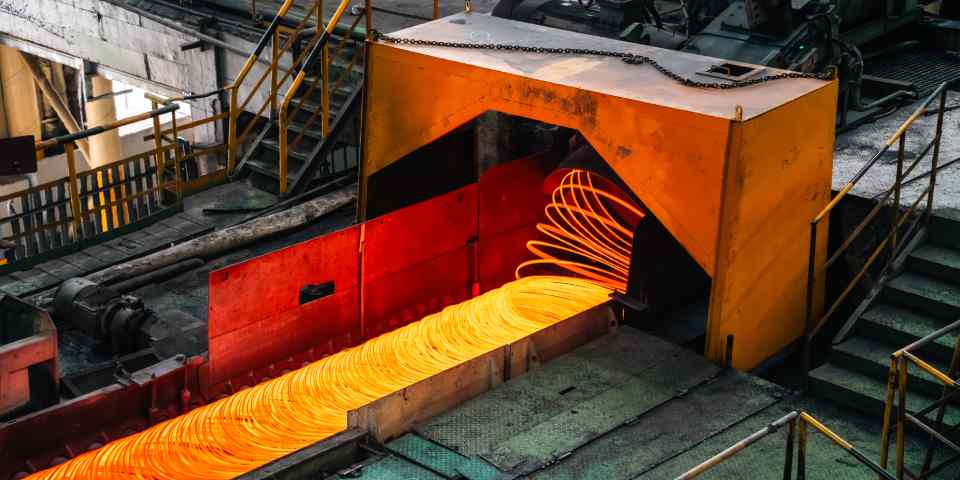
Production and Types of Wire Rod
Wire rod is produced through hot rolling in either ordinary rolling mills or high-speed rolling mills. Depending on the mill and process, it can be divided into:
Ordinary wire rod – produced at standard rolling speeds
High-speed wire rod – produced using modern mills that ensure better dimensional accuracy and surface quality
The raw material for wire rod is generally ordinary carbon steel or high-quality carbon steel. Depending on the chemical composition and intended use, wire rods can include:
Low carbon steel wire rod
High-quality carbon steel wire rod
Electrode steel wire rod
Steel wire rope wire rod
Piano wire rod
Stainless steel wire rod
Classification by Composition
Wire rod can be classified into two main types based on its chemical composition:
Carbon Steel Wire Rod
Low carbon steel
Medium carbon steel
High carbon steel
Alloy Steel Wire Rod
Includes special steels such as stainless, heat-resistant, or bearing steel
The cross-section of the wire is mainly circular, but square or other special-shaped sections can also be selected according to the needs.
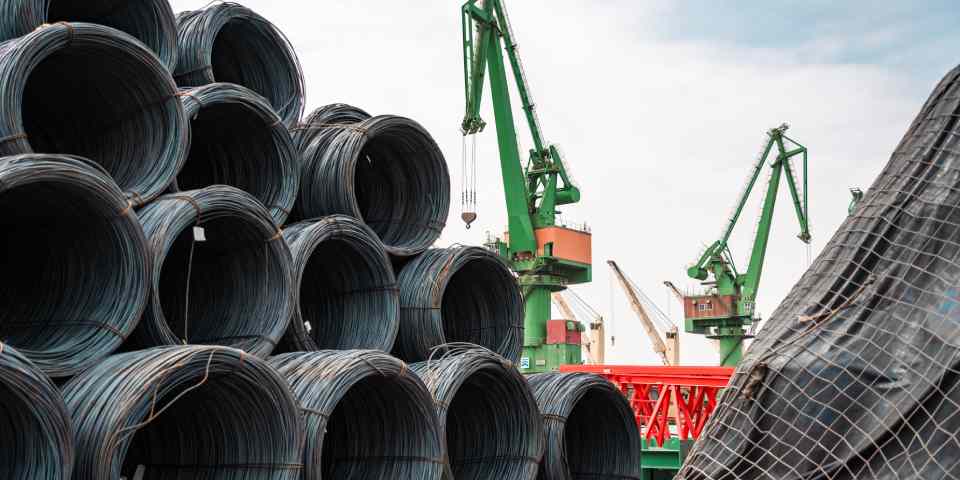
Applications of Wire Rod
Wire rod is widely used in various industries, with two main application categories:
1. Construction Materials
Wire rods are often used directly as building materials, especially in the form of rebar or binding wire.
Common types include low carbon and medium carbon steel rods, with diameters typically ranging from 6 mm to 25 mm, though larger sizes (up to 32 mm) are also used.
These rods must have good weldability, stable mechanical properties, and uniform composition, allowing them to be easily bent, drawn, and welded on-site.
2. Wire Drawing Raw Material
Wire rod serves as the primary raw material for drawing various steel wires.
During wire drawing, rods are pulled through dies to produce finer wires used in:
Steel wire ropes
Welding wires
Spring wires
Nails and fasteners
Mesh and fencing materials
To ensure quality in drawing, wire rods require smooth surfaces, thin oxide layers, accurate dimensions, and uniform metallographic structures (ideally sorbitic).
Technical Requirements
High-quality wire rod must meet strict technical standards, including:
Uniform chemical composition
Stable mechanical properties
Smooth, defect-free surface (no folds or ears)
Thin, easy-to-remove oxide layer for effective pickling
Accurate size control — generally below 12 mm in diameter
These characteristics ensure that the wire rod performs well during subsequent processing steps like cold drawing, bending, welding, and heat treatment.
Wire rod plays a crucial role in modern industry as both a finished product and a raw material. It is used in construction, manufacturing, and mechanical applications, forming the foundation for products such as rebars, steel wires, nails, cables, and springs