


What Is Galvalume Steel Coil? A Complete Guide to GL Steel
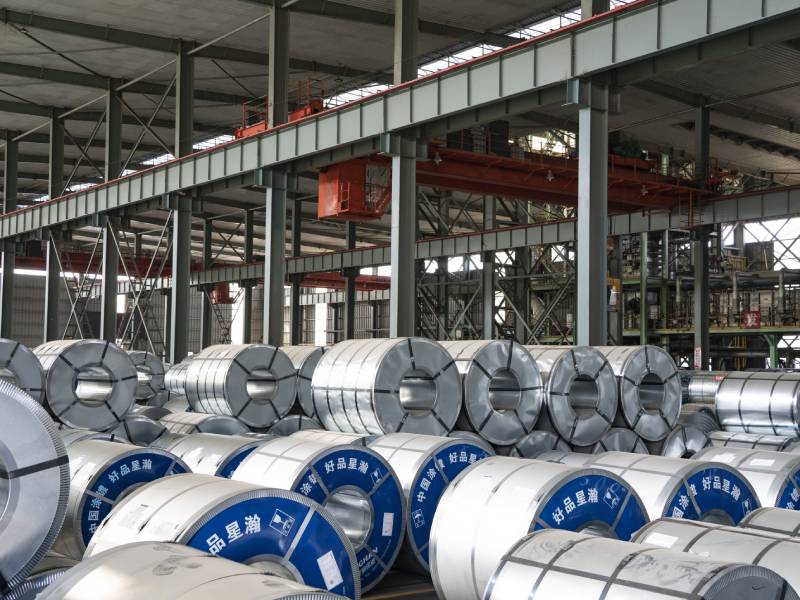
Galvalume steel coil is one of the most extensively applied steel products that have been coated with steel. Galvalume steel has a very good resistance to corrosion and heat reflectivity and is also cheap and, therefore, has been adopted in numerous industries as a replacement to the old-fashioned galvanized steel.
But what is Galvalume steel coil and what makes it more commonly used in roofing, building panels and industrial equipment? This paper describes its definition and manufacturing process and chemical formulation and uses and major distinctions with other coated steels.
What Is Galvalume Steel Coil?
Galvalume steel coil is made from carbon steel that is coated with an aluminum-zinc alloy using a continuous hot-dip process. The coating typically consists of:
55% Aluminum
3.4% Zinc
1.6% Silicon
This specific combination results in a unique set of properties:
Aluminum provides outstanding corrosion resistance
Zinc offers sacrificial protection
Silicon enhances the adhesion of the coating during production
Thanks to this alloy coating, Galvalume steel coil outperforms traditional galvanized steel in various environments, particularly in roofing and outdoor applications.
How Is Galvalume Steel Coil Manufactured?
The process of manufacturing Galvalume steel coil utilizes a continuous hot-dip coating method that is quite similar to how galvanized steel is produced. Here are the main steps involved:
1. Base Steel Preparation: Cold-rolled steel coils undergo cleaning and degreasing to eliminate any impurities.
2. Annealing Process: The steel strip is heated in a furnace, enhancing its ductility and improving surface quality.
3. Hot-Dip Coating: The strip is immersed in a molten Al-Zn alloy bath, where it acquires its protective coating.
4. Air Knife Control: High-pressure air knives are used to control the thickness of the coating.
5. Cooling and Solidification: The coating solidifies, forming the distinctive spangle pattern.
6. Recoiling and Inspection: Finally, the completed Galvalume steel coil is inspected and recoiled for shipment.
This meticulous process guarantees a uniform coating thickness and consistent product quality.
What Is the Chemical Composition of Galvalume Steel?
The typical coating composition of Galvalume steel includes:
Element | Percentage | Function |
Aluminum (Al) | ~55% | Provides corrosion resistance and heat reflectivity |
Zinc (Zn) | ~43.4% | Offers sacrificial protection against corrosion |
Silicon (Si) | ~1.6% | Enhances coating adhesion to steel substrate |
The base material is typically low-carbon cold-rolled steel, which provides the coil with excellent formability and strength.
What Is Galvalume Steel Coil Used For?
Galvalume steel coil is popular across various industries due to its strength and reflective qualities
Construction industry:
Roofing sheets
Wall cladding panels
Structural building components
Industrial manufacturing:
HVAC systems
Industrial ducts
Storage tanks
Home appliances:
Washing machine panels
Refrigerator back panels
Air conditioning components
Agricultural structures:
Barns
Grain storage systems
Equipment sheds
Its ability to resist corrosion makes it particularly well-suited for outdoor settings and humid climates.
What Does "AZ50" or "AZ150" Mean in Galvalume Coating?
The designation AZ refers to the coating weight of aluminum-zinc alloy on the steel surface.
Examples:
AZ50 = 0.50 oz/ft² total coating weight
AZ150 = 1.50 oz/ft² total coating weight
In metric units:
AZ150 ≈ 150 g/m²
Higher coating weights generally provide:
Better corrosion resistance
Longer service life
lmproved durability in harsh environments
AZ150 is commonly used in construction and roofing materials.
What Is the Heat Reflectivity of Galvalume Steel Coil?
One of the unique advantages of Galvalume steel is its high thermal reflectivity.
Compared with many other coated steels, Galvalume can reflect up to 70–80% of solar heat. This property provides several benefits:
Reduced building cooling costs
Improved energy efficiency
Lower roof surface temperatures
Because of this feature, Galvalume steel is widely used in energy-efficient roofing systems.
What Is the Difference Between GL and GI Steel Coils?
Although both are coated steels, GL (Galvalume) and GI (Galvanized) coils have different coatings and performance characteristics.
Feature | GL Steel Coil | GI Steel Coil |
Coating | Aluminum-Zinc | Pure Zinc |
Corrosion resistance | Higher | Moderate |
Heat reflectivity | Excellent | Lower |
Surface appearance | Smooth spangle | Zinc crystal pattern |
Typical applications | Roofing, cladding | General construction |
In many outdoor applications, Galvalume steel offers longer service life than galvanized steel.
Why Is Galvalume More Expensive Than Galvanized Steel?
Galvalume steel coils tend to be priced a bit higher than standard galvanized steel for a few reasons:
1. They have a more intricate alloy coating (Al-Zn composition).
2. They offer better corrosion resistance and a longer lifespan.
3. They reflect heat more effectively, making buildings more energy-efficient.
4. They are more durable in tough environments.
Even though the upfront cost is higher, Galvalume can lead to lower maintenance and replacement costs over time.
What Are the Common Thickness Ranges for Galvalume Steel Coils?
Galvalume steel coils are available in a wide range of thicknesses depending on the application.
Typical ranges include:
0.25 mm – 0.50 mm → Roofing sheets and panels
0.50 mm – 0.80 mm → Wall panels and structural components
0.80 mm – 2.00 mm → Industrial and heavy-duty applications
Common coil widths range from 600 mm to 1250 mm, although customized sizes are also available.
FAQ
Is Galvalume steel better than galvanized steel?
Galvalume steel generally offers better corrosion resistance and heat reflectivity, making it more suitable for roofing and outdoor applications.
How long does Galvalume steel last?
Depending on environmental conditions, Galvalume steel roofing can last 40–50 years or more.
Can Galvalume steel rust?
Although highly corrosion-resistant, Galvalume steel can eventually corrode if the coating is severely damaged or exposed to extreme conditions.
Is Galvalume steel suitable for coastal areas?
Galvalume performs well in many environments, but salt-rich coastal areas may require special coatings or protective finishes.
Can Galvalume steel be painted?
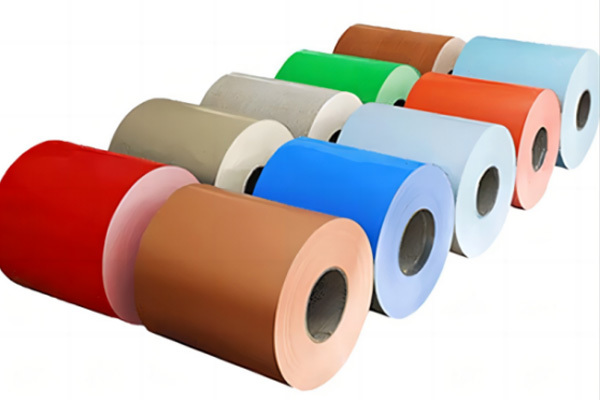
Yes. Galvalume steel can be painted or further processed into color-coated steel (PPGL) for decorative and architectural uses.
Conclusion
Understanding Galvalume steel coil is essential for engineers, builders, and manufacturers as it helps them select the right materials for durable structures and products. Thanks to its aluminum-zinc coating, Galvalume steel coil boasts excellent corrosion resistance and high heat reflectivity, making it a vital choice in modern construction and industrial manufacturing. From roofing systems to industrial equipment, Galvalume steel provides a dependable mix of durability, efficiency, and performance, which is why it is one of the most popular coated steel products in global markets.