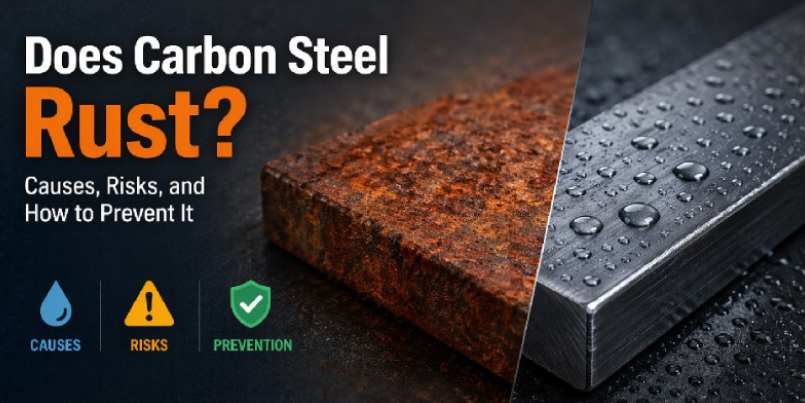



Does Carbon Steel Rust? Causes, Risks, and How to Prevent It
Carbon steel has the advantages of high strength and high cost performance, and is widely used in construction, manufacturing and infrastructure. Before buying, many buyers are generally concerned about one question: Does carbon steel rust? The answer is yes – but it's important that with the right knowledge and proper protective measures, rust can be controlled and minimized.
From a material point of view, the main components of carbon steel are iron and carbon. After iron oxidizes with oxygen and moisture in the environment, it forms iron oxide, which is often called rust. lacks enough chromium to form a protective oxide layer compared to stainless steel, making it more prone to corrosion from long-term exposure to air and water.
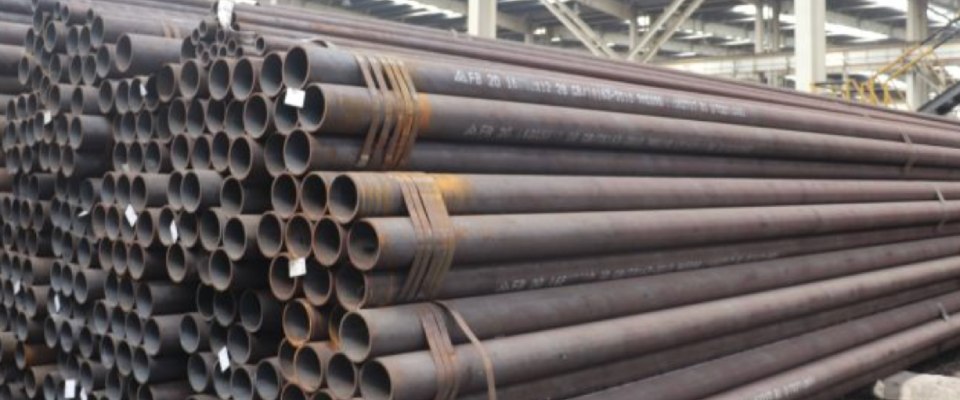
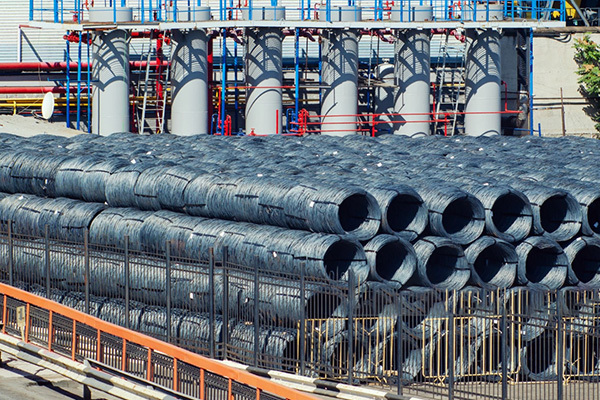
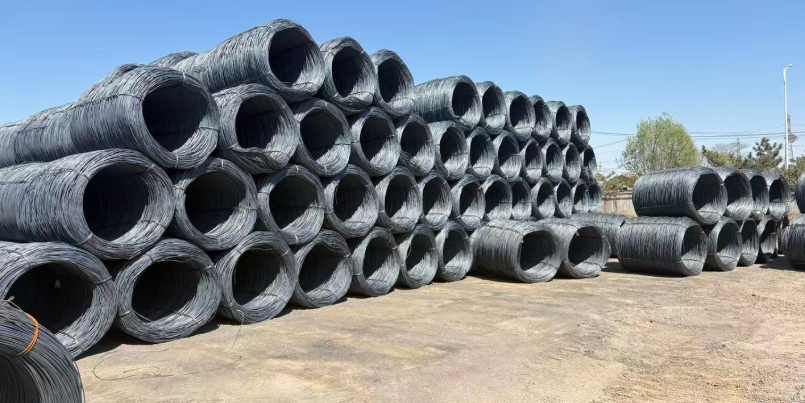
Carbon steel rusts in practical applications, and the rate of rust depends on the environment, for example, carbon steel coils rust more slowly when stored in a dry indoor environment. However, in humid climates, coastal areas with salty air or industrial areas where contaminants are present, the rate of corrosion is significantly accelerated. This is one of the reasons why the performance of the same product varies greatly in different environments and methods.
There are many effective ways to prevent or reduce rust on carbon steel, usually by applying protective coatings such as paint, oil or epoxy, as well as galvanizing (zinc coating), which creates a barrier between the steel and the environment. Proper storage ensures that the material is dry and avoids contact with moisture, which is also one of the main ways to avoid rust in carbon steel.
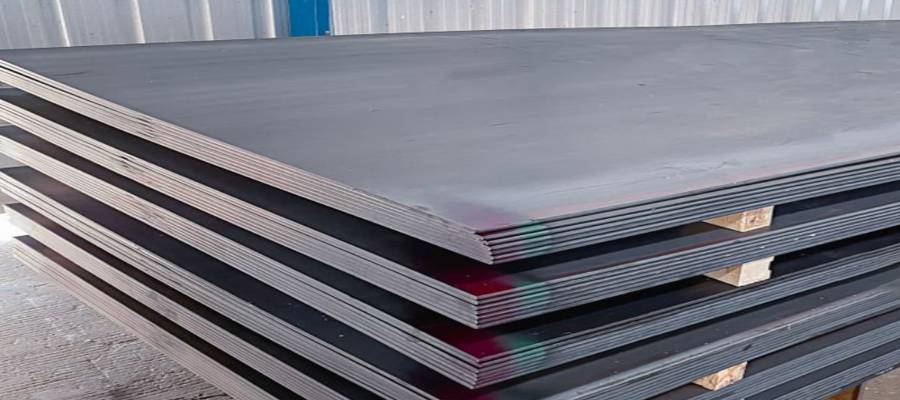
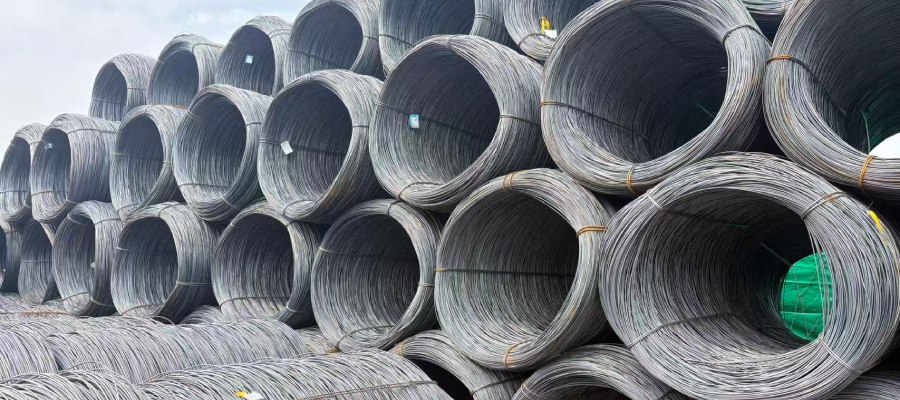
Although carbon steel can rust in use, it is still a reliable and economical material with proper methods and durability that can meet the needs of a wide range of applications with proper surface treatment and maintenance. Shineyond Group supplies high-quality carbon steel products, including rebar, coil, and plate, and offers customizable surface treatment services to help you reduce the risk of corrosion and ensure the long-term performance of your products.