


Comprehensive Guide to Wire Rod in Coils: Specs, Process, and Uses
What is Wire Rod in Coils?
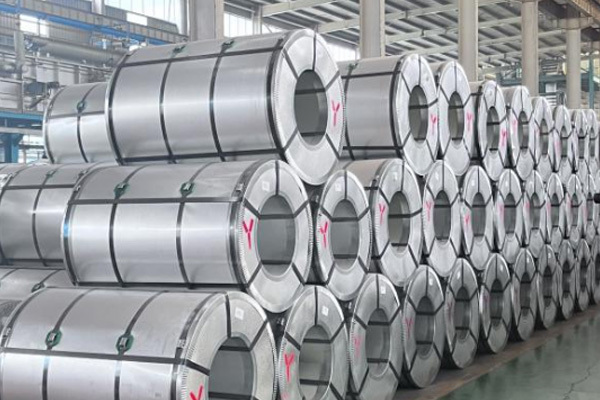
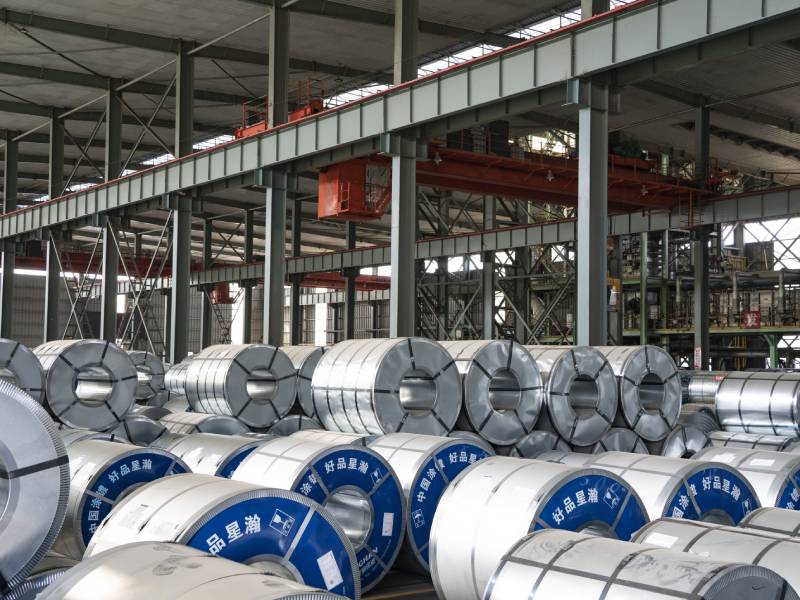
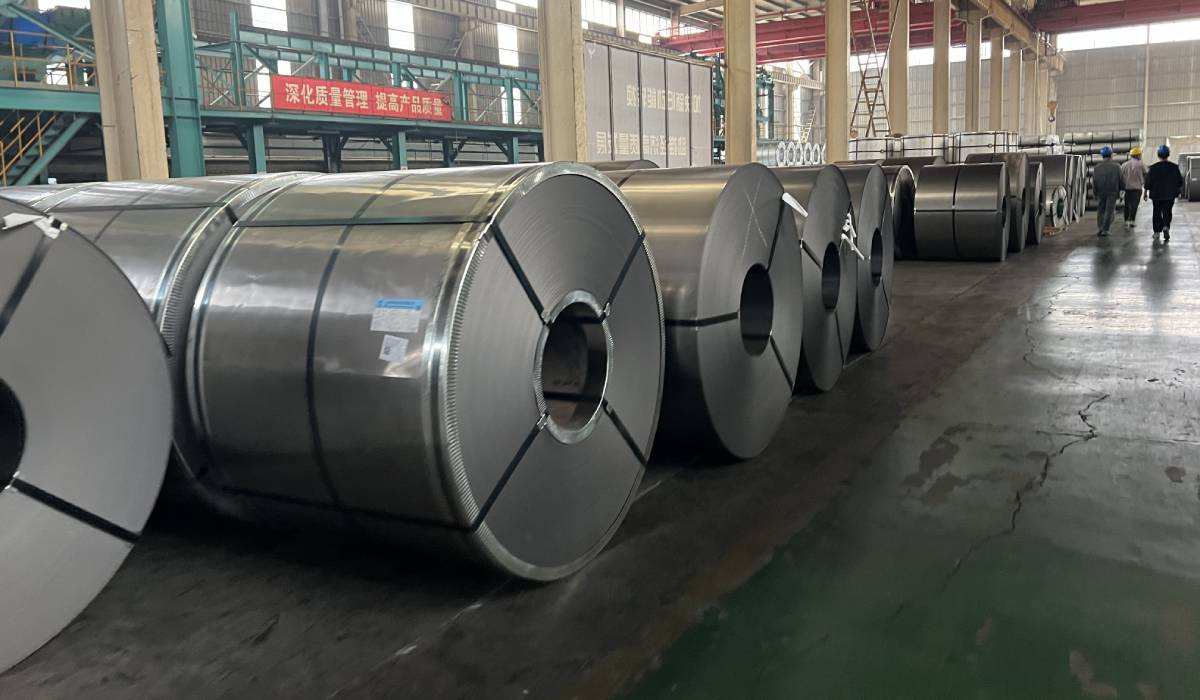
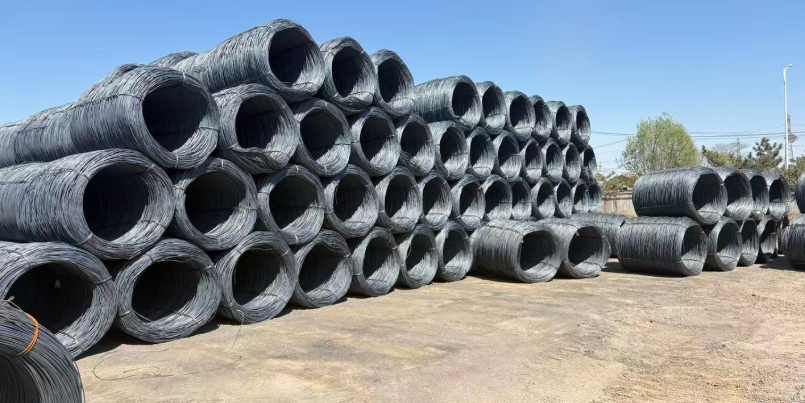
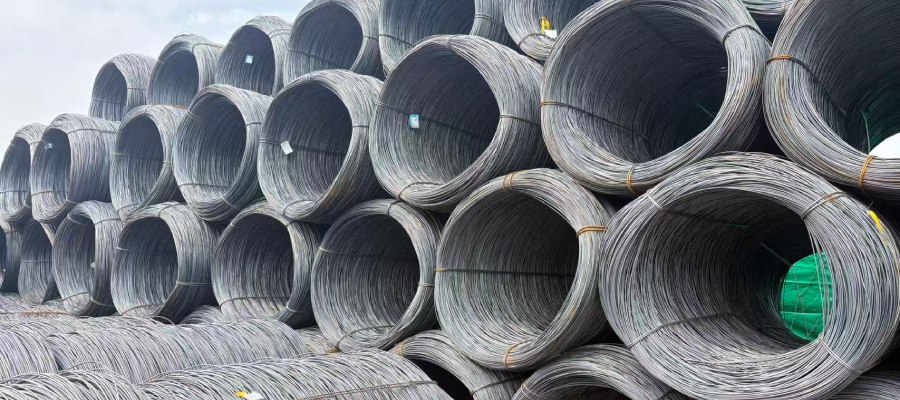
Wire Rod in Coils is a hot-rolled steel product, typically circular in cross-section, produced from steel billets. Unlike straight bar steel, wire rods are wound into large coils for easier transport and subsequent cold processing.
Typically ranging from 5.5mm to 20mm in diameter, these rods serve as the "raw material" for the wire-drawing industry, eventually becoming everything from massive bridge cables to the tiny springs in your ballpoint pen.
Technical Specifications and Steel Grades
Understanding the chemical composition and mechanical properties is crucial for industrial buyers. Wire rods are generally categorized into three main types:
1. Low Carbon Wire Rod (MS Wire Rod)
Carbon Content: < 0.25\%.
Common Grades: SAE 1006, SAE 1008, Q195.
Usage: Used for manufacturing nails, galvanized wire, and mesh for construction.
2. High Carbon Wire Rod
Carbon Content: > 0.60\%.
Common Grades: SWRH 72A, 82B.
Usage: High-strength applications like PC strands, mattress springs, and crane wire ropes.
3. Alloy and Special Steel Wire Rod
Focus: Contains elements like Chromium or Manganese for heat resistance or anti-corrosion.
Usage: Automotive engine valves, welding electrodes, and high-strength bolts.
The Manufacturing Process: From Billet to Coil
The quality of the wire rod is determined by the precision of the rolling mill. High-speed mills are used to ensure consistent diameters and surface finishes.
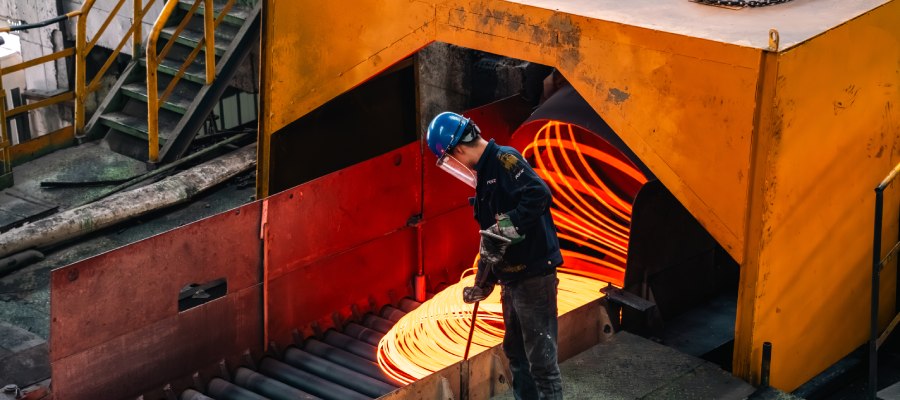
1. Heating: Steel billets are heated to approximately 1,100°C–1,250°C.
2. Rolling: The billet passes through multiple rolling stands, reducing its diameter while increasing its length.
3. Controlled Cooling (Stelmor Line): This is the most critical stage. By controlling the cooling rate, manufacturers can adjust the metallurgical structure (e.g., Pearlite vs. Martensite) to achieve the desired hardness.
4. Coiling & Packing: The rod is wound into coils weighing between 1.5 to 2.1 tons and secured for shipping.
Key Applications in Modern Industry
Wire rod is a versatile backbone for several global sectors:
Construction: Welded wire mesh for concrete reinforcement and high-tensile PC wires for bridges.
Infrastructure: Manufacturing of steel ropes for elevators, cranes, and suspension bridges.
Automotive: Used in tire cord (reinforcing rubber), valve springs, and fasteners.
Agriculture: Fencing wire, barbed wire, and vineyard trellising.
How to Choose the Right Wire Rod Supplier in 2026
When sourcing wire rod in coils, price is only one factor. To ensure project success, evaluate suppliers based on:
1. Diameter Tolerance: Precision is key for downstream wire drawing. A tolerance of ± 0.3mm or better is preferred.
2. Surface Quality: Look for rods "free from scales, cracks, and seams" to prevent breakage during processing.
3. Packaging: Ensure coils are tightly strapped and treated with anti-rust oil or VCI wrapping if sea freight is involved.
4. Certifications: Verify ISO 9001 and specific industry standards like ASTM A510 or JIS G3505.
Conclusion
Wire rod in coils is the lifeblood of the secondary steel processing industry. Whether you are looking for low carbon rods for simple construction tasks or high-carbon specifications for engineering marvels, understanding the technical nuances ensures you get the best performance for your investment.