


What Is Rebar Used For?
What is rebar used for? This is a frequently asked question in the construction and building products sector. Rebar, short for reinforcing bar, is a steel rod engineered to reinforce concrete structures. Although concrete performs well in compression, it is comparatively weak in tension. Rebar supplies essential tensile support, helping reinforced concrete carry heavy loads, limit cracking, and preserve long-term strength and structural stability.
What Is Rebar Mainly Used For?
The primary purpose of rebar is to reinforce concrete and improve its performance under stress. Concrete alone can easily crack or fail when subjected to tension, bending, or vibration. By embedding steel bars within concrete, rebar helps structures resist these forces.
Key functions of rebar include:
Increasing tensile strength: Prevents concrete from breaking under tension.
Controlling shrinkage and temperature cracks: Reduces the risk of damage during curing and in extreme temperatures.
Improving load-bearing capacity: Allows concrete structures to support heavier loads safely.
Enhancing earthquake and wind resistance: Essential in areas prone to natural disasters.
Extending service life: Reduces maintenance costs and improves durability.
In addition to standard construction, rebar can also be used in precast concrete products, retaining walls, and industrial floors, making it a versatile solution for almost every concrete application.
Rebar Applications in Residential Construction
Rebar is widely used in residential buildings to ensure safety, longevity, and structural performance. Common applications include:
1. Foundations
Concrete footings and slabs reinforced with rebar create a strong base for buildings, preventing settlement and cracks over time. In areas with soft soil, high-quality rebar ensures stability under heavy loads.
2. Columns and Beams
Vertical and horizontal supports rely on rebar to handle tension and compression forces. In multi-story buildings, steel reinforcement is critical to prevent structural failure.
3. Concrete Slabs
Floor slabs, driveways, patios, and parking areas use rebar to resist bending and cracking under weight. For large commercial or industrial spaces, rebar mesh ensures uniform strength throughout the slab.
4. Walls and Retaining Structures
Rebar strengthens concrete walls, retaining walls, and partitions, ensuring they can withstand lateral pressure from soil or structural loads.
By using the right type and grade of rebar, developers can build residential structures that are safe, durable, and compliant with international standards.
Rebar Applications in Infrastructure Projects
Infrastructure construction demands high-strength, reliable rebar to withstand extreme conditions and heavy usage. Typical applications include:
1. Bridges
Rebar allows bridges to handle dynamic loads from traffic, wind, and seismic activity. Special high-strength rebar grades are often used in long-span bridges for added safety.
2. Highways and Roads
Reinforced concrete pavements resist cracking and potholes caused by heavy vehicle traffic. Rebar mesh or bars are embedded to distribute loads evenly.
3. Dams and Water Projects
Concrete dams, reservoirs, and irrigation channels use rebar to resist water pressure, prevent cracking, and improve durability. Rebar in such projects is often treated for corrosion resistance.
4. Industrial and Port Facilities
Warehouses, factories, docks, and container yards rely on reinforced concrete floors and structures to support heavy machinery and storage loads.
5. Tunnels and Subways
Rebar reinforces concrete linings in tunnels, preventing collapse and ensuring long-term structural integrity.
For these large-scale projects, international and local standards like HRB400, HRB500, BS4449, and ASTM A615 are commonly followed to ensure safety and compliance.
Rebar in Agriculture & Special Applications
Beyond traditional construction, rebar has practical applications in agriculture and specialized projects:
1. Agricultural Structures
Rebar strengthens barns, storage facilities, irrigation channels, and fencing frameworks, ensuring durability against heavy loads and environmental conditions.
2. Precast Concrete Products
Concrete pipes, poles, culverts, blocks, and slabs use rebar to improve strength, especially when transported or installed under stress.
3. Seismic and High-Risk Areas
High-strength rebar helps structures resist earthquakes, floods, or other extreme conditions, making it vital in regions with high environmental risks.
4. Custom Fabrication
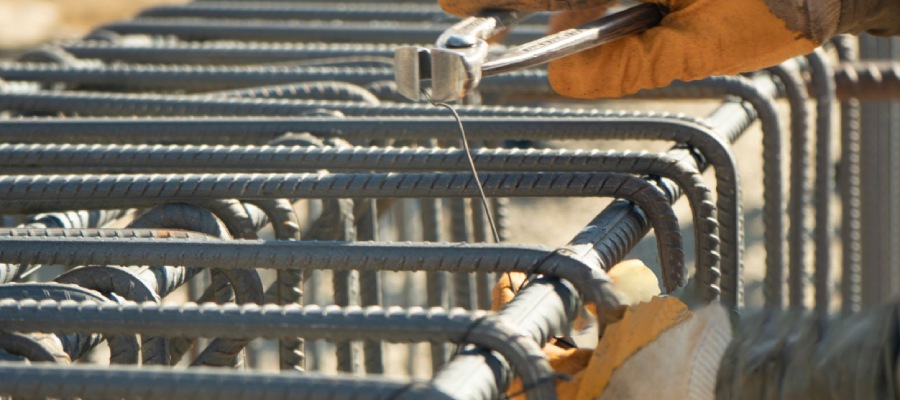
Rebar can be cut, bent, or welded into cages, mats, or mesh based on engineering requirements. For example, reinforcing concrete columns or beam structures in non-standard shapes often requires customized rebar solutions.
How to Choose the Right Rebar?
Choosing the proper rebar is crucial for both safety and cost-efficiency. Consider the following factors:
1. Grade and Strength
HRB400: Standard for most residential and commercial projects
HRB500: Higher strength for heavy-load applications
BS4449: Common in European-standard projects
ASTM A615: Widely recognized for international projects
2. Diameter
Rebar diameters typically range from 6mm to 40mm. Larger diameters are used for columns and beams, while smaller sizes suit slabs and light structures.
3. Surface Type
Deformed bars: Provide better bonding with concrete
Plain round bars: Suitable for light-duty or specialized applications
4. Environmental and Project Requirements
Consider corrosion resistance, exposure to chemicals, and local climate conditions. Coated or galvanized rebar may be needed for coastal or humid areas.
5. Supplier Reliability
A trusted supplier ensures consistent quality, accurate specifications, and timely delivery—critical for international buyers and large-scale projects.
Choose Shineyond Group – Your Reliable China Rebar Supplier
Shineyond Group is a professional Chinese steel supplier specializing in exporting high-quality rebar worldwide, including African markets.
We provide:
HRB400 & HRB500 rebar
BS4449 and ASTM A615 rebar
Various diameters and customized lengths
Competitive bulk pricing
Strict quality control and ISO-certified production
So, what is rebar used for? It is used to reinforce concrete structures in residential, commercial, infrastructure, agricultural, and specialized projects. Selecting high-quality rebar from a reliable supplier such as Shineyond Group helps keep your builds safe, long-lasting, and aligned with global standards.