


Carbon Steel vs Stainless Steel: Key Differences and Uses
Choosing the right steel is very important for construction, manufacturing, automotive, and industrial projects. Understanding carbon steel vs stainless steel helps engineers and buyers pick the right material. Each steel type has different properties, costs, and advantages. Choosing correctly can save money and improve safety and durability.
What is Carbon Steel Material?
Carbon steel material is steel that has carbon as the main alloy. Its properties depend on the carbon content:
Low-carbon steel: Soft and easy to weld or shape. Used for construction frameworks, car panels, and general fabrication.
Medium carbon steels: Stronger than low-carbon, but still workable. Used for machinery, automotive parts, and industrial components.
High carbon steel: Very hard and strong. Good for tools, springs, and heavy machinery parts.
Ultra high carbon steels: Extremely hard and wear-resistant. Used in cutting tools, dies, and precision equipment.
Carbon steel offers flexibility because its properties can be improved by heat treatment. Processes like quenching, tempering, or annealing make the steel harder, tougher, and more durable. It also responds well to heat treatment, giving engineers options for different applications.
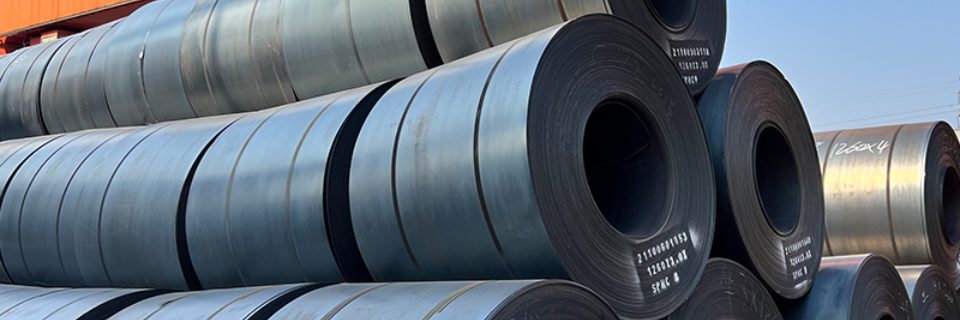
Key Properties of Carbon Steel
Carbon steel has many benefits depending on the carbon steel grade:
1. Strength and Durability: It can handle heavy loads and stress.
2. Machinability: Low and medium carbon steels are easy to cut, weld, and shape.
3. Heat Treatment: High-carbon and ultra-high-carbon steels can be hardened and tempered.
4. Cost-Effectiveness: Usually cheaper than stainless steel but still strong.
5. Versatility: Works for construction, automotive, manufacturing, and tools.
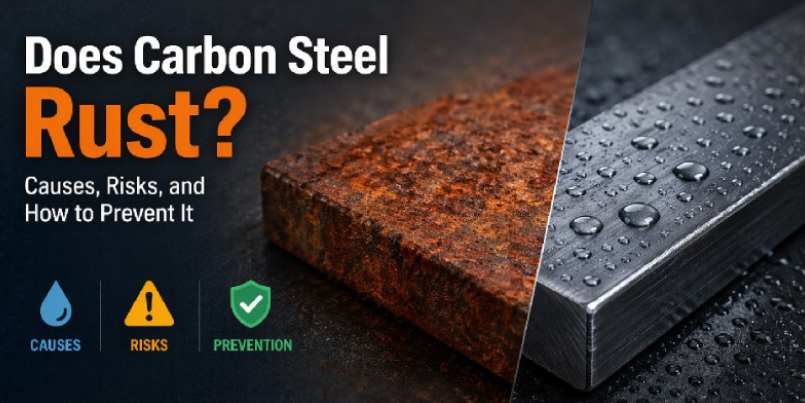
The main limitation is corrosion. Carbon steel may rust if exposed to moisture or chemicals. Coatings or paints are often applied to prevent this.
What is Stainless Steel?
Stainless steel contains at least 10.5% chromium. This makes it highly resistant to corrosion. It may also contain nickel, molybdenum, and other elements to increase strength and heat resistance. Stainless steel is ideal for wet, chemical, or hygiene-sensitive environments. Examples include kitchen equipment, medical tools, chemical plants, and marine equipment.

Carbon Steel vs Stainless Steel
The key differences between carbon steel vs stainless steel are:
1. Corrosion Resistance: Stainless steel resists rust. Carbon steel needs coatings or paint.
2. Strength and Hardness: High carbon steel and ultra high carbon steels are harder than standard stainless steel.
3. Cost: Carbon steel is cheaper.
4. Machinability: Low and medium carbon steels are easier to shape and weld. Stainless steel requires more effort.
5. Applications: Carbon steel is common in construction, machinery, and pipelines. Stainless steel is used where corrosion or hygiene is important.
Applications of Carbon Steel Material
Carbon steel material is very versatile. It is used in many industries:
Construction: Beams, columns, and frameworks. Medium carbon steels are strong and flexible for buildings and bridges.
Automotive: Chassis, car panels, gears, and engine parts. High carbon steel gives strength and wear resistance.
Manufacturing: Machinery housings, tools, and equipment benefit from response to heat treatment.
Pipelines and Pressure Vessels: Carbon steel grades provide strength. Coatings prevent rust.
Special Tools and Industrial Parts: Ultra high carbon steels are used in cutting tools, springs, and dies.
Carbon steel can be cut, shaped, and welded to meet different structural applications.
Advantages of Carbon Steel
Easy to weld and shape (low and medium grades).
High tensile strength and hardness in high-carbon grades.
Can be improved with heat treatment.
Cost-effective and widely available.
Suitable for many industries and uses.
Choosing Between Carbon Steel and Stainless Steel
The choice depends on needs:
Cost and strength: Carbon steel is preferred for industrial and construction use.
Corrosion or hygiene: Stainless steel is better.
High wear or heavy load: Use high carbon steel or ultra high carbon steels.
Picking the correct carbon steel grade ensures strength, durability, and ease of fabrication.
Check grade and standard compliance (ASTM, ISO, etc.).
Verify mechanical properties: tensile strength, minimum yield strength, corrosion resistance.
Confirm thickness and dimensions match project needs.
Work with certified suppliers to ensure consistent quality.
Good suppliers provide steel suitable for construction, automotive, manufacturing, and industrial equipment.
Conclusion
In conclusion, carbon steel vs stainless steel offers choices based on project needs. Carbon steel material is flexible. Its properties depend on the carbon content, from soft low-carbon steel to strong high carbon steel and ultra high carbon steels. It offers versatility and good response to heat treatment, making it suitable for construction, automotive, pipelines, manufacturing, and tools.
By knowing different carbon steel grades and comparing them with stainless steel, engineers and buyers can make smart decisions. This ensures safety, cost-efficiency, and long-lasting performance in industrial and structural projects.