


What Is Rebar? A Complete Guide to Reinforcing Steel in Construction
Concrete is one of the most commonly used construction materials in the world. It is highly resistant to compression, flame resistant and long lasting. The main drawback of plain concrete is its inability to withstand tension forces.
Rebar or reinforcing bar is used to solve this issue. Concrete structures contain rebar which acts as reinforcement to withstand tension forces and resist cracks and enhance the service life of the structures. This is why a rebar is used in the construction of foundations and bridges and roads and buildings and other infrastructure projects all over the world.
The paper will provide an explanation of what rebar is, what it is made of, the various types of rebar in existence, and why it is essential to reinforced concrete structures.
What Is the Definition of a Rebar?
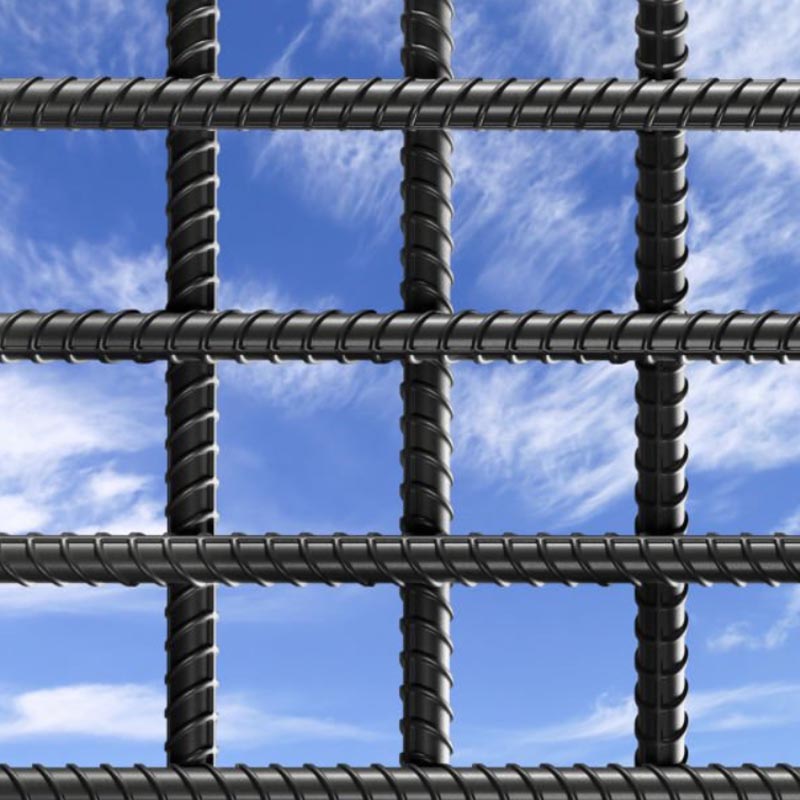
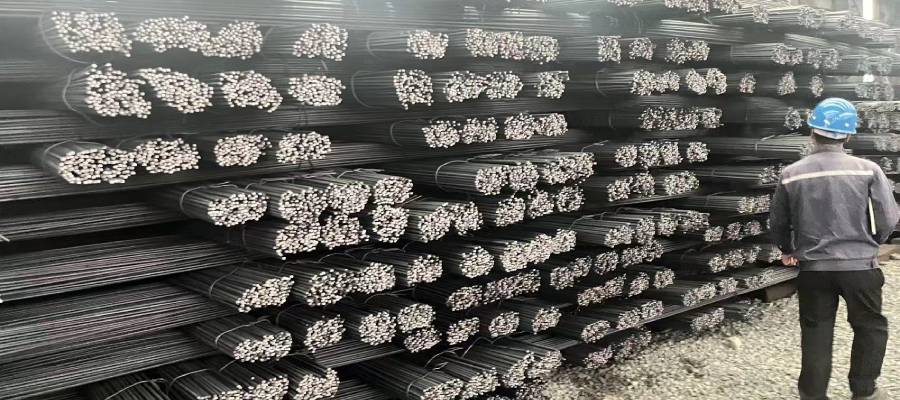
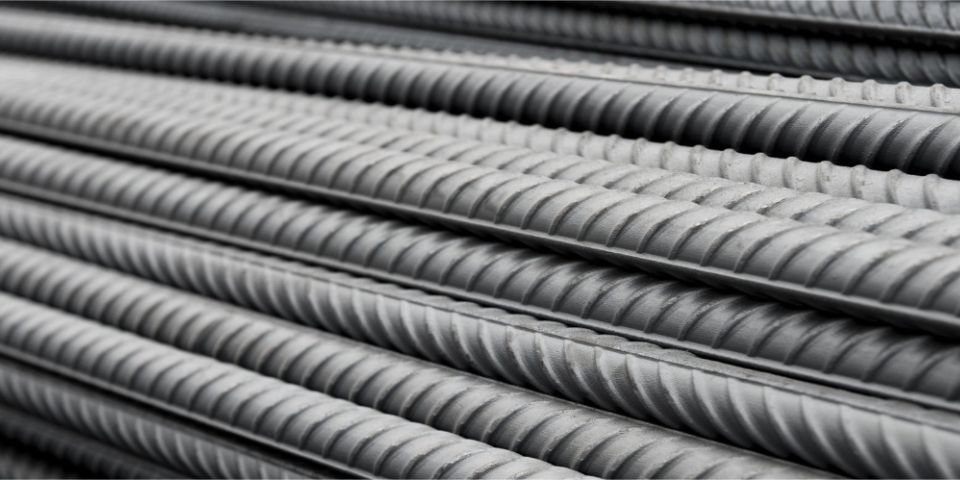
Reinforcement bar (rebar) is a type of steel used to strengthen and hold together concrete or masonry structures. Rebars typically have ridges (also referred to as "ribs") or bumps on the surface of the steel to help create a better bond between the steel and the concrete so that when you pour concrete around rebar, the steel (rebar) takes care of the tension (pull) and the concrete takes care of the compression (push), creating something much stronger than just plain concrete alone. There are many places you will find rebar used today including Foundations, Slabs, columns and beams, Bridges and Highways, Dams and Tunnels. Without reinforcing bars many of our concrete structures today would not be able to carry large amounts of weight or withstand the effects of weathering or the elements.
What Steel Is Rebar Made Of?
Carbon steel is the primary material for rebar because it is strong and cheap and has good mechanical properties.
Rebars can also be made from:
Carbon steel
Low alloy steel
Stainless steel (for rust prevention)
Steel with epoxy coatings
Galvanized steel
Because of its combination of strength, ductility, and low cost, carbon steel rebar is very common in rebar use.
Rebars are formed by a hot rolling process. In this process, steel billets are heated and rolled into long bars that have surface irregularities which promote bonding between the bar and concrete.
What Is the Carbon Content of Rebar?
The carbon content of rebar typically ranges between 0.20% and 0.30%, depending on the grade and manufacturing standards.
Carbon plays an important role in determining the mechanical properties of steel:
Higher carbon content increases strength and hardness
Lower carbon content improves ductility and weldability
Most construction-grade rebar is designed to balance these properties so it can bend during installation while still providing strong reinforcement.
Different international standards regulate rebar composition, including:
ASTM standards (United States)
BS standards (United Kingdom)
ISO standards (International)
GB standards (China)
These standards ensure rebar meets strict requirements for strength, durability, and performance in structural applications.
How Many Types of Rebar Are There?
There are several types of rebar used in construction, each designed for specific environments and structural needs.
The most common types include:
Carbon Steel Rebar
This is the most widely used type of rebar in the construction industry due to its affordability and high strength.
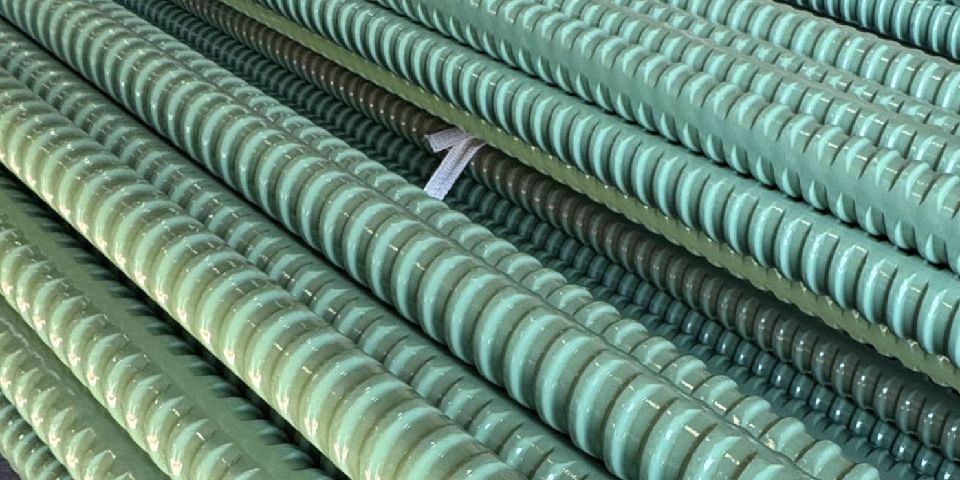
Epoxy-Coated Rebar
Epoxy coating provides protection against corrosion, making it suitable for bridges, highways, and marine environments.
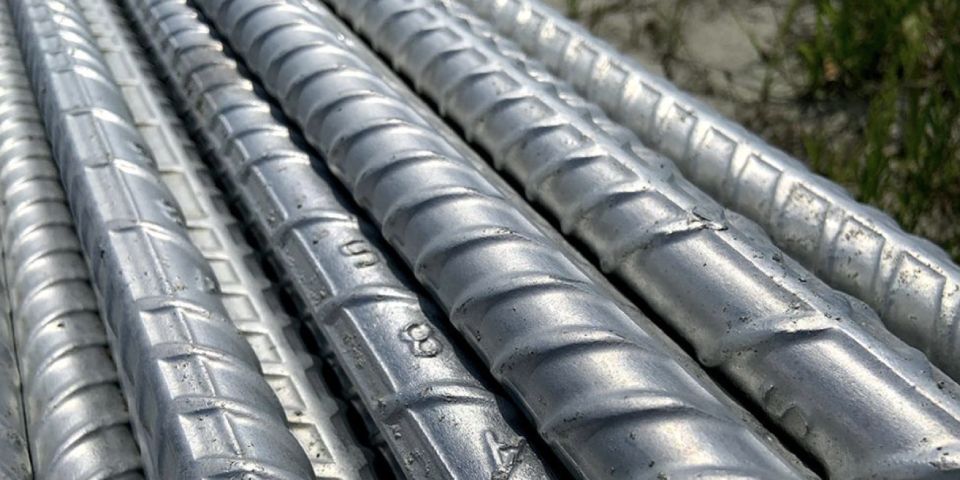
Galvanized Rebar
Galvanized rebar is coated with zinc to improve corrosion resistance.
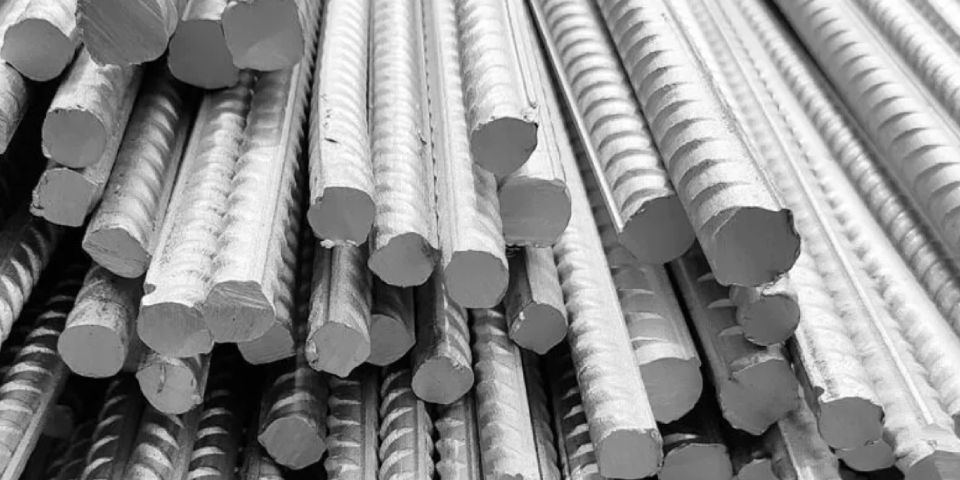
Stainless Steel Rebar
Stainless steel rebar is highly resistant to corrosion and is often used in harsh environments such as coastal infrastructure.
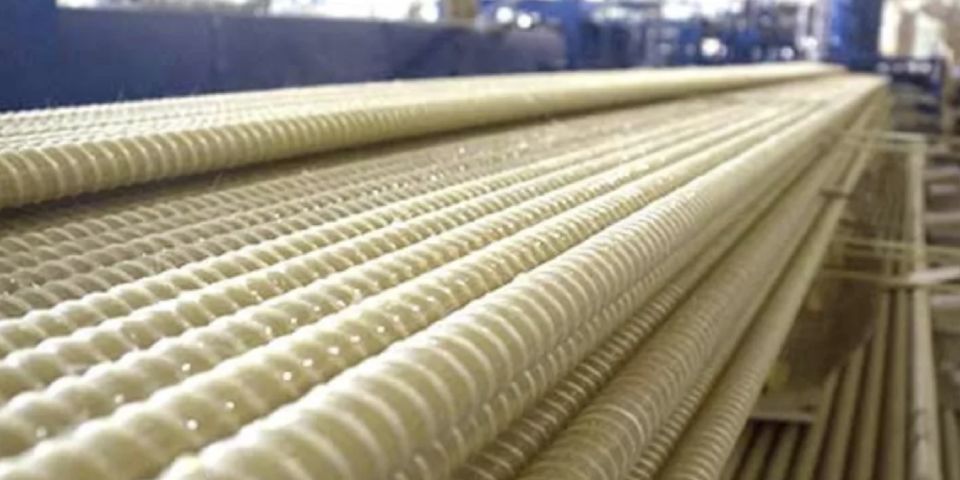
Glass Fiber Reinforced Polymer (GFRP) Rebar
This type is made from composite materials instead of steel and is used in specialized projects where corrosion resistance is critical.
Each type offers unique advantages depending on project requirements, environmental exposure, and budget constraints.
What Is the Difference Between Steel Bar and Rebar?
Although the terms are sometimes used interchangeably, steel bar and rebar are not exactly the same.
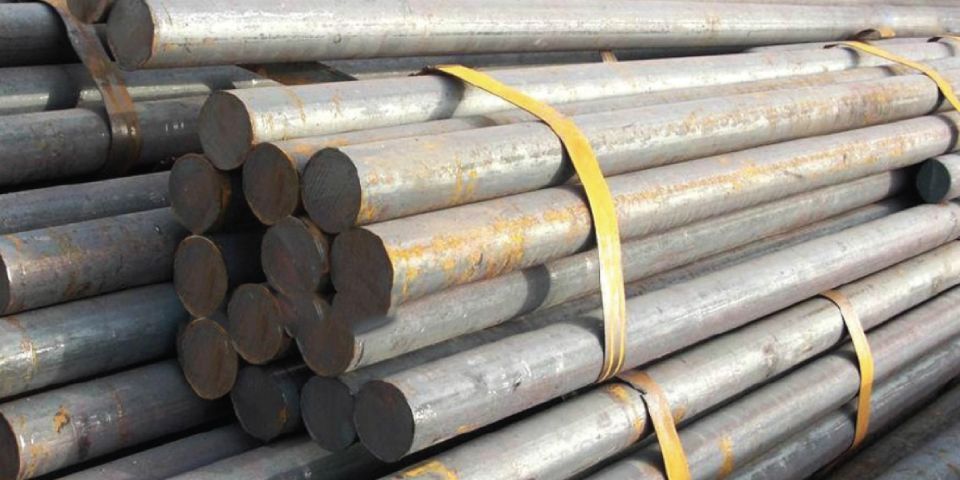
A steel bar is a general term that refers to any long, solid steel product used in manufacturing or construction.
Examples include:
Round bars
Square bars
Flat bars
Rebar, on the other hand, is specifically designed for reinforcing concrete. It usually features a ribbed or deformed surface to ensure strong bonding with concrete.
Key differences include:
Feature | Steel Bar | Rebar |
Surface | Smooth | Ribbed or deformed |
Purpose | General industrial use | Reinforcing concrete |
Bond with concrete | Weak | Strong |
Because of its design, rebar is far more effective for structural reinforcement.
Is Rebar Stronger Than Steel Rod?
Rebar and steel rods are both made from steel, but they serve different purposes.
Rebar is not necessarily stronger than all steel rods, but it is specifically engineered for structural reinforcement in concrete.
The main differences include:
Rebar has deformations that improve bonding with concrete
Steel rods may have smooth surfaces
Rebar is designed to meet specific structural standards
In reinforced concrete systems, rebar performs better because it transfers stress effectively between steel and concrete.
Why Do People Put Rebar in Concrete?
People put rebar in concrete to increase structural strength and durability.
Concrete is very strong in compression but weak in tension. When a structure experiences loads, temperature changes, or ground movement, tensile forces can cause cracking.
Rebar helps solve this problem by:
Providing tensile strength
Preventing structural cracking
Improving load distribution
Increasing earthquake resistance
Extending structure lifespan
By combining concrete and steel reinforcement, engineers create reinforced concrete, which is the backbone of modern construction.
About Our Company
Shineyond Group is a professional steel manufacturer and exporter supplying high-quality steel products to global construction and industrial markets.
We work with construction companies, distributors, and infrastructure contractors around the world, especially in Africa and emerging markets.
Our reinforcing steel products are manufactured under strict quality standards to ensure:
High strength
Excellent weldability
Reliable performance in structural applications
FAQ About Rebar
What is rebar mainly used for?
Rebar is mainly used to reinforce concrete structures such as foundations, slabs, bridges, highways, and buildings.
What size rebar is commonly used in construction?
Common rebar sizes include #3, #4, #5, #6, and #8, depending on the structural requirements of the project.
Does rebar rust inside concrete?
Rebar can rust if moisture and oxygen reach the steel. However, properly designed concrete provides protection by creating an alkaline environment that slows corrosion.
How long does rebar last in concrete?
When properly installed and protected, rebar can last 50–100 years or more inside reinforced concrete structures.
Can concrete be used without rebar?
Yes, but plain concrete is much weaker. Most structural concrete projects require reinforcement to prevent cracking and structural failure.
Knowing what rebar is and how it works in reinforced concrete is important for anyone working in construction, engineering, or buying building materials.Rebar is key to making concrete structures stronger, more durable, and stable.Reinforcing steel gives concrete the strength it needs to handle tension, making sure buildings, bridges, and other structures can hold up to heavy loads and harsh weather as time goes on.
Today, there are several kinds of rebar to suit different construction needs, including the usual carbon steel rebar as well as corrosion-resistant stainless steel and epoxy-coated types.Picking the right reinforcing bar comes down to what the project needs, the environment it’s in, and how the structure is designed.
As construction keeps growing worldwide, good reinforcing steel is still a key material for building modern infrastructure.Reliable suppliers and manufacturers matter a lot in making sure builders get steel products that last and meet standards.If you need a reliable supplier for rebar and other construction steel products, Shineyond Group offers good-quality steel materials for construction projects worldwide.Our products meet international standards and help build sturdy, lasting structures.