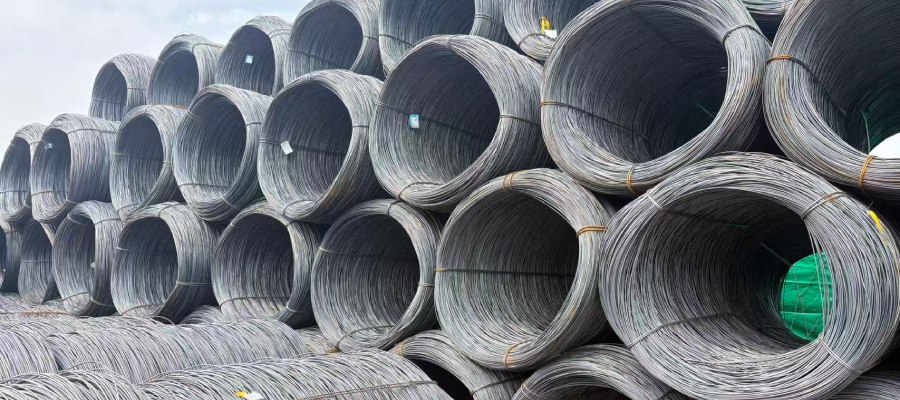



Wire Rod Coil & Steel Wire Rod: Sizes, Specifications, and Applications
Wire rods, also known as steel wire rods, are essential raw materials in the steel industry. They are widely used in manufacturing wires, screws, nails, springs, and various industrial components. Selecting the right wire rod ensures optimal performance, cost-efficiency, and manufacturing quality.
This guide covers what wire rods are, their specifications, sizes, weight, and common applications, helping engineers, contractors, and manufacturers make informed decisions.
What Is a Wire Rod?
A wire rod is a hot-rolled steel product in coiled form, typically produced from billet through a rolling mill. Wire rods are designed for further processing into wire products, such as:
Steel wires
Nails and screws
Springs and fasteners
Fencing and mesh
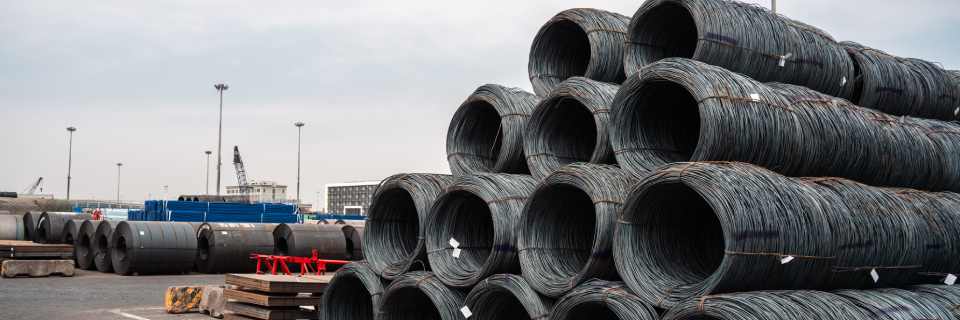
Click here for product information
Steel Wire Rod Meaning
The term refers to:
A coiled, hot-rolled steel product
Material suitable for drawing into wire
A base material in industries like construction, automotive, and manufacturing
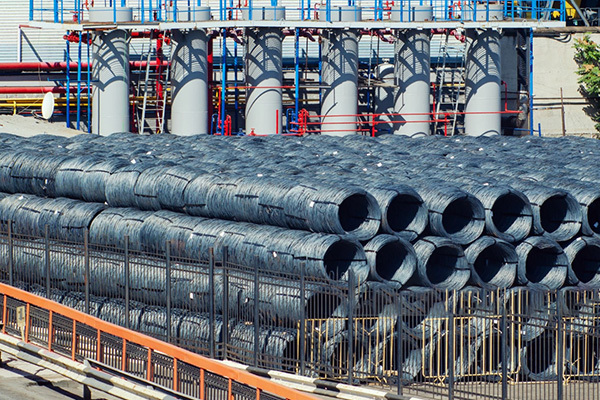
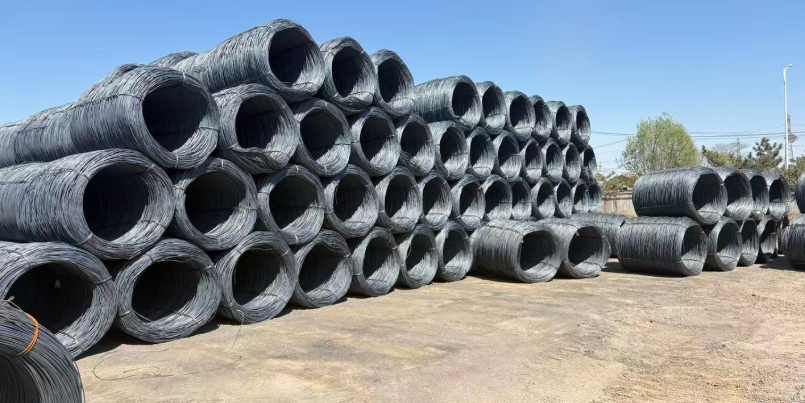
Wire Rod Coil
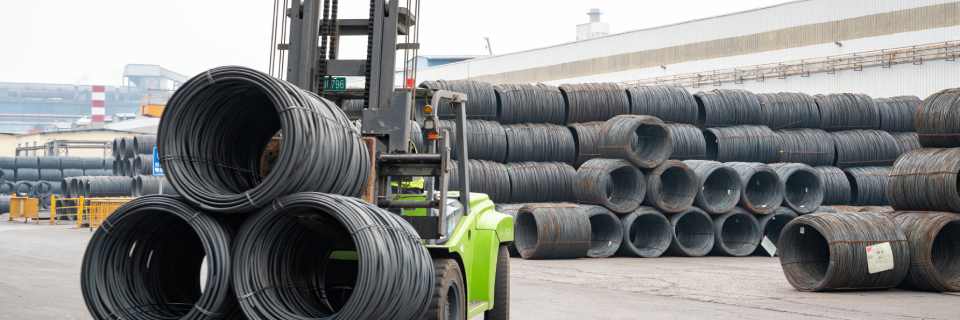
A wire rod coil is simply a wire rod wound into a tight circular coil for easier storage, transport, and handling. Standard coils typically weigh 0.8–1.2 tons, depending on diameter and steel grade.
Wire Rod Specifications
Wire rods are manufactured according to international standards:
ASTM A510 / A510M – Standard specification for low-carbon steel wire rods
IS 2830 / IS 2062 – Indian standard for carbon steel wire rods
EN 10263-1 – European standard for bright steel wire rods
JIS G3506 – Japanese standard for steel wire rods
Common Wire Rod Grades
Wire rods are available in low, medium, and high carbon steel grades, as well as alloy steel grades:
GradeCarbon ContentApplicationLow Carbon (C ≤ 0.25%)Soft, ductileNails, screws, general wire productsMedium Carbon (C 0.25–0.60%)Moderate strengthSprings, wire ropes, construction wireHigh Carbon (C > 0.60%)Hard, high strengthCutting wires, high-strength springs, fasteners
Wire Rod Size Chart
Wire rods are categorized by diameter, usually measured in millimeters (mm):
Wire Rod DiameterTypical Coil WeightStandard Applications5.5 mm0.8–1.0 tonNails, screws6.0 mm0.8–1.0 tonBinding wire, mesh7.0 mm0.9–1.2 tonSprings, wire ropes8.0 mm1.0–1.2 tonIndustrial fasteners9.0 mm1.0–1.2 tonReinforcement wires10 mm1.0–1.2 tonConstruction and high-strength wire products
Note: Diameter tolerance is usually ±0.2 mm. Coil weight may vary slightly depending on manufacturer.
Wire Rod Weight Calculation
The weight of a wire rod coil can be calculated using the formula:
Weight (kg)=Length (m)×π×d24×Density (kg/m³)\text{Weight (kg)} = \text{Length (m)} \times \frac{\pi \times d^2}{4} \times \text{Density (kg/m³)}Weight (kg)=Length (m)×4π×d2×Density (kg/m³)Where:
ddd = wire rod diameter in meters
Density = ~7850 kg/m³ for carbon steel
Most suppliers provide coil weight per batch, ranging from 800–1200 kg.
Common Uses of Steel Wire Rods
1. Wire Products
✔ Nails, screws, pins
✔ Binding and fencing wire
✔ Mesh and wire netting
2. Springs and Fasteners
✔ Compression springs
✔ Tension springs
✔ Bolts, nuts, washers
3. Construction
✔ Reinforcement wires for concrete
✔ Pre-stressed wires
✔ Tie wire for structural applications
4. Automotive and Industrial
✔ Wire ropes, cables
✔ Tire cords
✔ Industrial tools and machinery components
How to Choose the Right Wire Rod
When selecting wire rods, consider:
1.Steel Grade – Determines hardness, ductility, and tensile strength
2.Diameter – Must match final wire drawing or product requirements
3.Coil Weight – Depends on handling and transport capabilities
4.Surface Quality – Smooth surface avoids wire breakage during drawing
5.Application Requirements – High-strength wires need medium/high carbon grades
Pro Tip: For general construction wire, low carbon wire rods (5.5–6.5 mm) are sufficient. For springs or automotive wires, medium/high carbon rods (7–10 mm) are recommended.
FAQs About Wire Rods
Q1: What is a wire rod coil?
A: A wire rod coil is a coiled steel wire rod, ready for storage, transport, or further processing.
Q2: What is the difference between wire rod and rebar?
A: Wire rod is a raw material for wire products, while rebar is a finished steel reinforcement for concrete.
Q3: What steel grades are available for wire rods?
A: Low, medium, and high carbon steel; alloy steel rods are also available.
Q4: Can wire rods be used in construction?
A: Yes, for tie wire, mesh, and reinforcement purposes.
Q5: What is the typical weight of a wire rod coil?
A: Usually 0.8–1.2 tons, depending on diameter and grade.