


Seamless & Carbon Steel Pipes: Guide for Construction & Industry
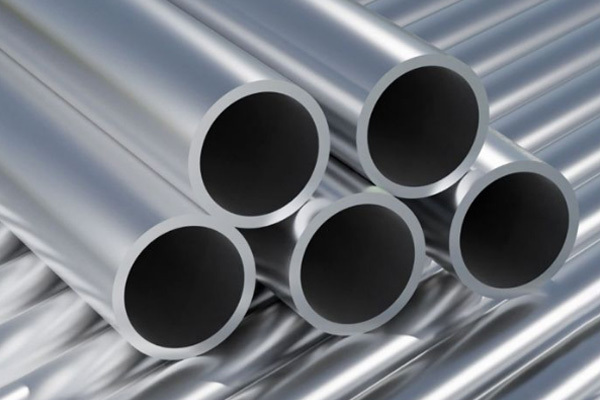
Seamless steel pipes are essential components in many industries, particularly in construction, oil and gas, and mechanical engineering. Known for their superior strength, uniformity, and durability, seamless steel pipes are used in applications where pressure, temperature, and corrosion resistance are critical. Among these, carbon steel seamless pipes are particularly popular due to their cost-effectiveness and mechanical properties. This guide covers specifications, sizes, applications, and selection recommendations for engineers, contractors, and industrial buyers.
What Are Seamless Steel Pipes?
Seamless steel pipes are tubes made without any welding seam, ensuring consistent material properties along the entire length. Unlike welded pipes, which are formed by rolling and welding steel sheets, seamless pipes are typically manufactured through extrusion or rotary piercing processes. This construction gives them excellent tensile strength, high-pressure tolerance, and resistance to stress and fatigue.
Key Advantages:
Uniform thickness and high structural integrity
Superior pressure handling for liquids and gases
Resistant to corrosion, especially when treated or coated
Reliable performance in high-temperature and high-stress environments
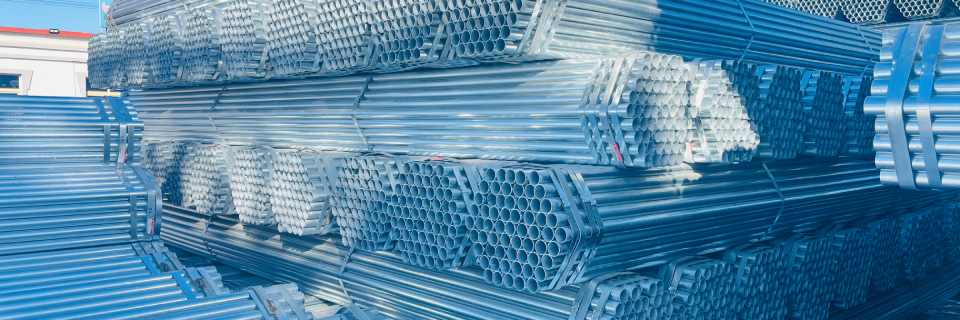
Click here for product information
Carbon Steel Seamless Pipes
Carbon steel seamless pipes are made primarily of iron and carbon, with small traces of other elements. They are widely used due to their excellent mechanical properties and affordability. Carbon steel pipes are available in various grades (such as ASTM A106, ASTM A53, and API 5L), each designed for specific pressure and temperature conditions.
Benefits of Carbon Steel Seamless Pipes:
High tensile strength and impact resistance
Excellent for high-temperature and high-pressure applications
Cost-effective alternative to alloy or stainless steel pipes
Easy to fabricate, cut, and weld if needed
Sizes and Specifications
Seamless steel pipes come in a wide range of diameters, wall thicknesses, and lengths. Choosing the correct size ensures structural safety, cost-effectiveness, and suitability for the intended application.
Common Nominal Pipe Sizes (NPS) and Dimensions:
NPS (inches) | Outer Diameter (mm) | Wall Thickness (mm) | Typical Application |
1/2" | 21.3 | 2.77 – 3.91 | Low-pressure piping, water lines |
1" | 33.4 | 2.77 – 4.55 | General plumbing, industrial use |
2" | 60.3 | 3.91 – 6.02 | Oil & gas pipelines, mechanical systems |
4" | 114.3 | 4.55 – 7.11 | Structural and mechanical applications |
8" | 219.1 | 6.02 – 9.53 | High-pressure pipelines, industrial structures |
(Note: Wall thickness may vary based on schedule numbers: SCH 10, SCH 40, SCH 80, SCH 160.)
Weight & Cross-Section:
The weight of seamless pipes is calculated based on outer diameter, wall thickness, and pipe length. Choosing the correct schedule ensures the pipe can safely handle internal pressure and structural loads.
Applications of Seamless Steel Pipes
Seamless steel pipes, particularly carbon steel seamless pipes, are used across diverse sectors:
Pipe Size / Type | Typical Application |
Small-diameter (<2") | Instrumentation, hydraulic lines, plumbing |
Medium-diameter (2"–6") | Oil & gas, chemical industry, boiler systems |
Large-diameter (>6") | Structural support, bridges, pipelines, heavy machinery |
Key Industries:
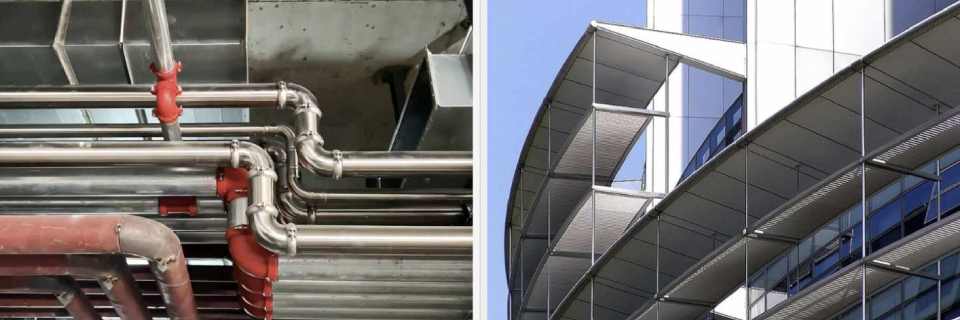
Construction and civil engineering
Oil, gas, and petrochemical pipelines
Power plants and boilers
Automotive and mechanical engineering
High-pressure and high-temperature fluid transport
How to Choose the Right Seamless Steel Pipe
Selecting the correct seamless pipe is critical for safety, efficiency, and cost control. Consider the following:
✅ Pressure Requirements: Higher pressure systems require thicker pipes (SCH 80 or above).
✅ Temperature Conditions: High-temperature applications may need carbon steel pipes with specific heat resistance (ASTM A106 Grade B/C).
✅ Corrosion Resistance: For corrosive environments, coatings or alloy pipes may be needed.
✅ Length & Diameter Needs: Ensure proper sizing for fluid flow or structural support.
✅ Industry Standards: Always comply with ASTM, API, or local standards.
Pro Tip: For general construction, SCH 40 carbon steel seamless pipes are most commonly used due to their balance of strength and cost. High-pressure or industrial applications often require SCH 80 or higher.
FAQs About Seamless Steel Pipes
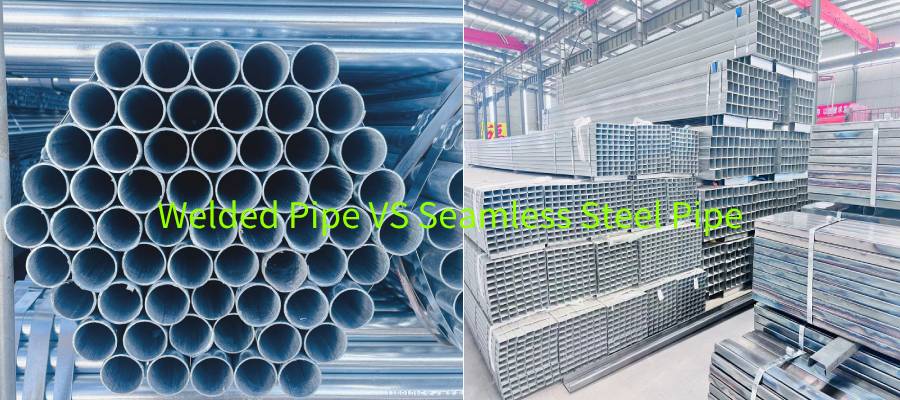
Q: What is the difference between seamless and welded pipes?
A: Seamless pipes have no welding seam, giving them uniform strength and better performance under high pressure. Welded pipes are joined from rolled sheets, making them more cost-effective but slightly weaker at the seam.
Q: Can carbon steel seamless pipes be used in outdoor environments?
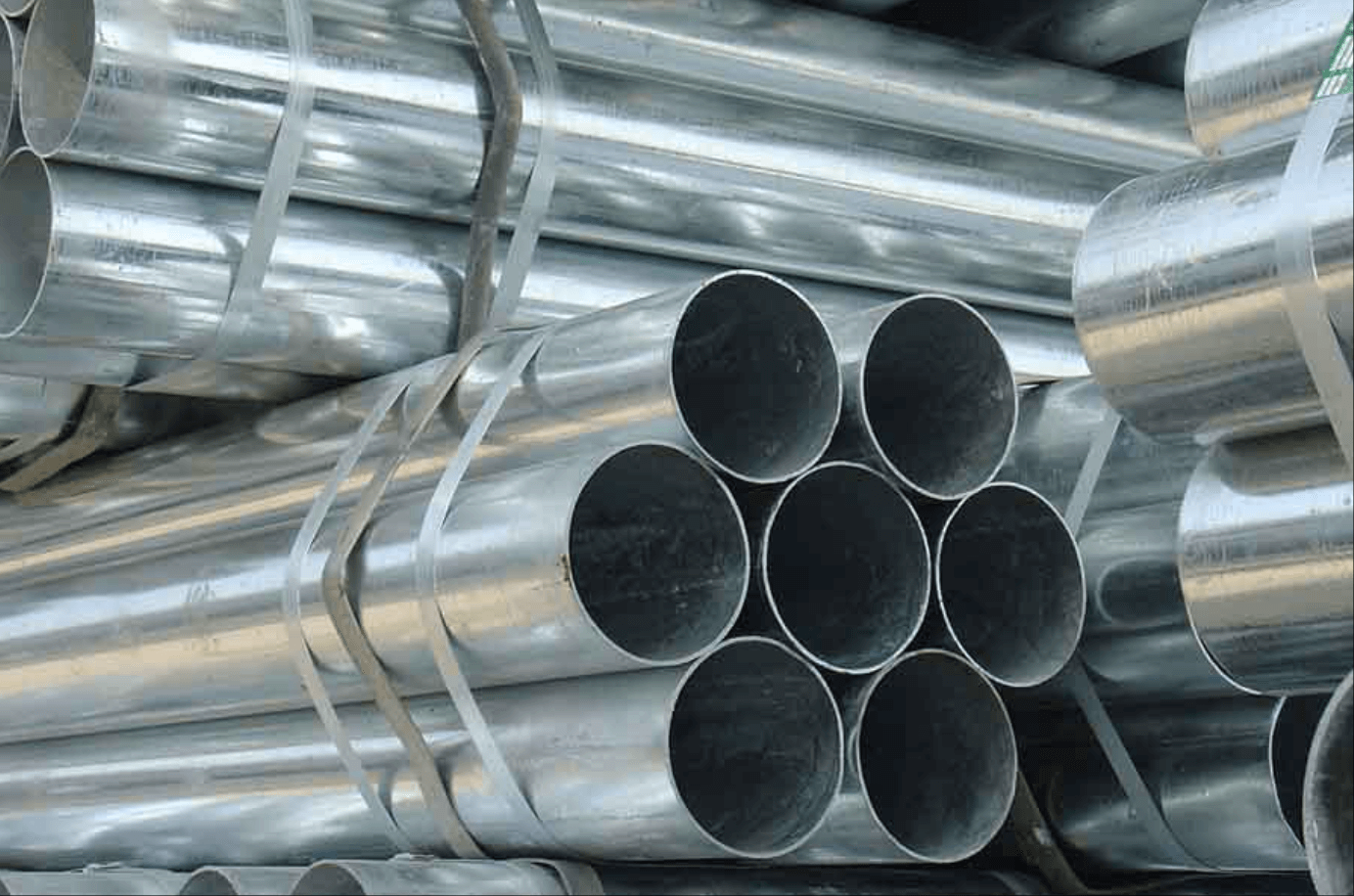
A: Yes, but corrosion protection (galvanizing, painting, or coating) is recommended for long-term durability.
Q: Are seamless pipes available in custom sizes?
A: Yes, manufacturers often provide custom diameters, wall thicknesses, and lengths to meet specific project requirements.
Seamless steel pipes, especially carbon steel seamless pipes, are vital for projects demanding high strength, durability, and reliability. Choosing the correct size, grade, and schedule ensures safety, efficiency, and cost-effectiveness. For any construction, industrial, or pipeline project, consulting with a trusted supplier can help you select the right seamless steel pipe for your needs.