


Galvanized Steel Pipe: Uses and Applications
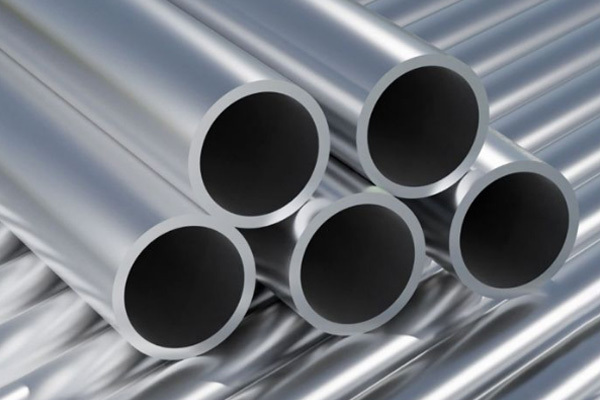
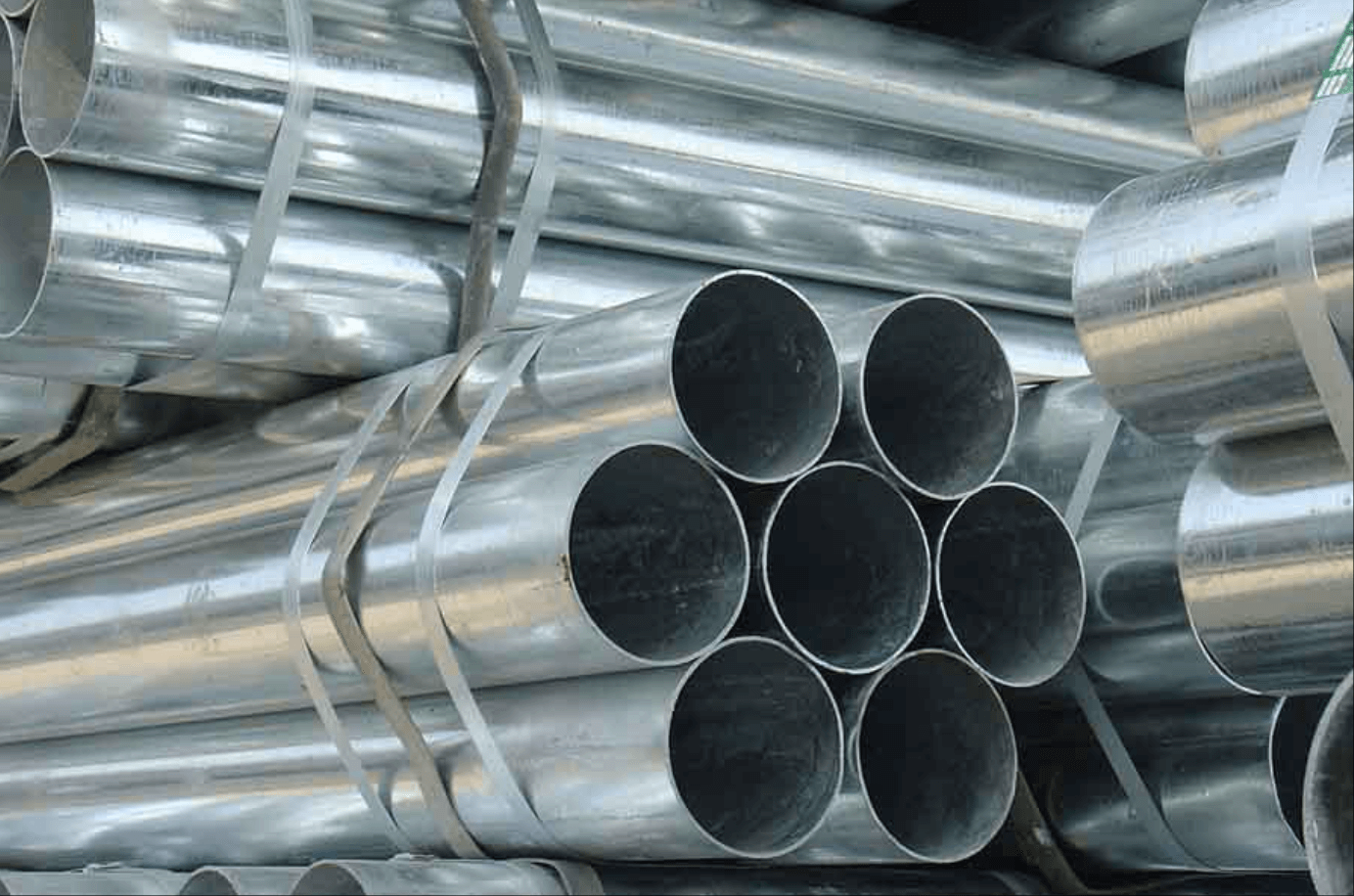
Galvanized pipes are metal pipes coated with a protective zinc coating that prevents corrosion, rust, and deterioration. The zinc layer is typically applied through a hot-dipped galvanized process, where the steel pipes are immersed in molten zinc, creating a uniform, durable, and long-lasting layer. This protective coating ensures that galvanized steel pipes can withstand exposure to moisture, chemicals, and environmental conditions, making them highly suitable for residential, commercial, and industrial piping systems.
Galvanized steel pipes have been widely used for decades due to their reliability, strength, and versatility. They are often preferred over uncoated steel pipes because the protective zinc coating extends their lifespan and reduces maintenance costs. These pipes can serve both water supply lines and structural applications, offering a cost-effective and durable solution for many projects.
What are Galvanized Steel Pipes Used For?
Galvanized steel pipes are extremely versatile and are used in applications where durability, corrosion resistance, and long-term reliability are required. The most common uses include:
Water Supply Lines – Galvanized pipes are widely used in transporting potable water in homes, offices, commercial buildings, and industrial facilities. The protective zinc coating prevents rust formation inside the pipe, ensuring water remains clean and safe. They are capable of withstanding standard water pressure in domestic plumbing systems without leakage or structural failure.
Plumbing Systems – Galvanized steel pipes are commonly used in both indoor and outdoor plumbing applications. They provide excellent resistance to corrosion, reducing the need for frequent pipe replacement. These pipes are compatible with standard plumbing fittings and can be installed in water supply lines, drainage systems, and heating systems.
Fencing, Railings, and Outdoor Structures – Due to their weather resistance, galvanized pipes are often used for fences, handrails, guardrails, gates, and other outdoor metal structures. The hot-dipped galvanized coating ensures that these metal pipes can withstand prolonged exposure to rain, humidity, and sunlight.
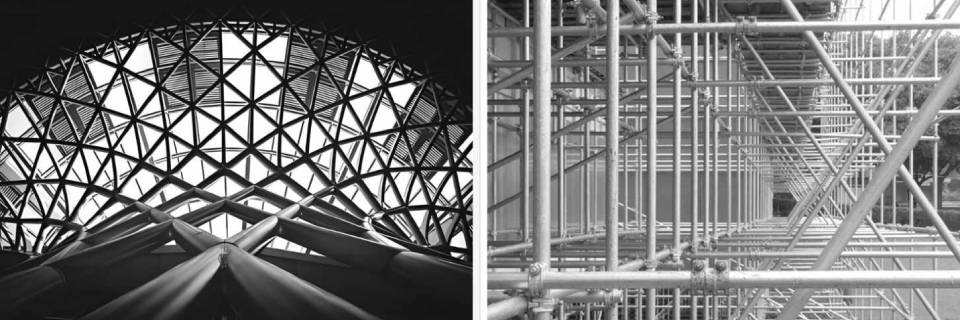
Structural Support and Scaffolding – Galvanized steel pipes are strong enough to be used in scaffolding, construction frameworks, and other load-bearing structures. Their strength and corrosion resistance make them ideal for both temporary and permanent installations.
Industrial Piping Systems – In industrial environments, galvanized pipes are used for low-pressure gas lines, oil pipelines, and chemical transport systems. They are particularly useful where water pressure is moderate and corrosion could otherwise shorten the lifespan of uncoated steel pipes.
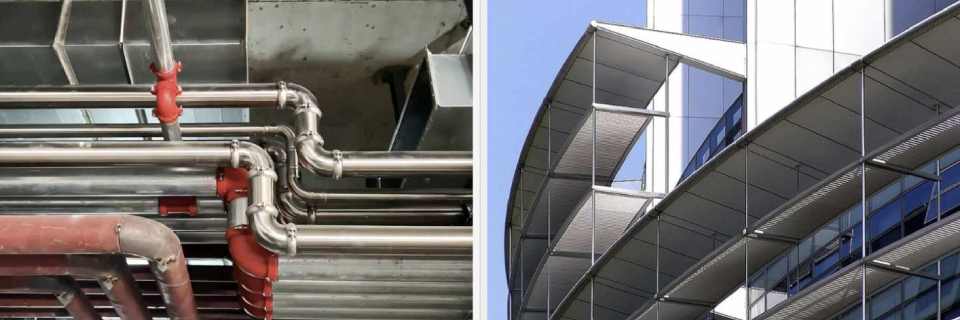
In addition, galvanized steel pipes are also used in HVAC systems, irrigation systems, and agricultural applications, such as greenhouse frames and farm water pipelines. The versatility of these pipes is one of their key advantages.
Types of Galvanized Steel Pipes
There are several types of pipes available, depending on manufacturing methods and intended applications:
Hot-Dipped Galvanized Pipes – These are immersed in molten zinc, creating a thick, uniform coating that provides maximum corrosion protection. They are commonly used outdoors or in humid environments, and are ideal for water supply lines and plumbing systems.
Electro-Galvanized Pipes – In this method, zinc is applied using electroplating, resulting in a thinner coating. These pipes are generally used indoors where exposure to moisture is limited.
Galvanized Seamless Pipes – Manufactured without welded joints, these pipes are stronger under water pressure and less prone to leakage. Seamless pipes are often chosen for high-stress applications and industrial piping systems.
Galvanized Threaded Pipes – Feature threaded ends for easy assembly and disassembly. They are commonly used in plumbing systems, water supply lines, and other applications where quick installation is necessary.
Each type of galvanized steel pipe has specific advantages, and choosing the right one depends on environmental conditions, expected water pressure, and the purpose of the piping system.
Advantages of Galvanized Steel Pipes
Using galvanized steel pipes offers numerous benefits, making them a preferred choice for many projects:
Corrosion Resistance – The protective zinc coating prevents rust and degradation, extending the life of the pipe. This is particularly important in areas with high humidity or exposure to chemicals.
Durability – These metal pipes can handle high water pressure, heavy loads, and mechanical stress, making them suitable for both plumbing and structural applications.
Cost-Effective – Although slightly more expensive initially than uncoated steel pipes, the longer lifespan and reduced maintenance costs make galvanized pipes more economical in the long run.
Versatility – Suitable for indoor and outdoor piping systems, industrial environments, agricultural systems, and structural frameworks.
Low Maintenance – With proper installation, galvanized pipes require minimal maintenance and can last for decades without major repairs.
Environmental Resistance – Galvanized steel pipes withstand sunlight, rain, humidity, and other environmental factors that can damage untreated steel.
Lifespan of Galvanized Steel Pipes
The lifespan of galvanized steel pipes depends on installation quality, environment, and usage:
Indoor Water Supply Lines: Can last 40–70 years due to minimal exposure to moisture and corrosive elements.
Outdoor Exposure: Typically lasts 20–50 years depending on climate, rainfall, and maintenance.
Industrial Applications: May have shorter lifespans if exposed to chemicals, high humidity, or high water pressure conditions.
Proper maintenance, such as avoiding contact with dissimilar metals that can accelerate corrosion, and periodic inspection for wear, can significantly extend the lifespan of galvanized pipes.
How to Choose the Right Galvanized Steel Pipe
Selecting the correct galvanized steel pipe involves considering several factors:
✅ Pipe Diameter & Wall Thickness – Ensure compatibility with expected water flow, load, and water pressure requirements.
✅ Environment – Indoor vs. outdoor use, exposure to humidity, chemicals, or extreme temperatures.
✅ Application – Whether the pipe will be used in plumbing systems, water supply lines, industrial piping, fencing, or structural support.
✅ Types of Pipes – Choose from hot-dipped galvanized, seamless, threaded, or electro-galvanized pipes depending on performance needs.
✅ Standards and Certification – Verify compliance with ASTM, ISO, or local building codes to ensure safety and reliability.
✅ Installation and Maintenance – Consider ease of installation, connection methods, and maintenance requirements to maximize performance.
Practical Tips for Using Galvanized Steel Pipes
1. Avoid Contact with Dissimilar Metals – When connecting to copper or aluminum pipes, use dielectric fittings to prevent galvanic corrosion.
2. Regular Inspection – Check for corrosion, leaks, or scale buildup, especially in older installations.
3. Proper Installation – Ensure threaded joints are sealed correctly, and pipes are supported adequately to prevent sagging.
4. Water Quality Considerations – Highly acidic or soft water can shorten the lifespan of galvanized pipes. Water treatment may help improve longevity.
5. Painting or Coating – In highly corrosive environments, consider additional protective coatings for outdoor applications.
Conclusion
Galvanized pipes are highly durable metal pipes suitable for a wide range of applications, including plumbing systems, water supply lines, industrial piping, structural frameworks, and outdoor installations. Their protective zinc coating, applied via hot-dipped galvanized or electro-galvanized processes, ensures long-lasting performance and corrosion resistance. By understanding the types of pipes, appropriate applications, and proper installation methods, engineers, contractors, and homeowners can maximize both safety and efficiency.
Whether used indoors or outdoors, galvanized steel pipes remain a reliable, cost-effective, and versatile choice for residential, commercial, and industrial projects. Their proven durability and adaptability make them an essential component in modern construction and plumbing systems.