


High Carbon Steel Wire Rod for Spring Making: A Complete Buyer’s Guide
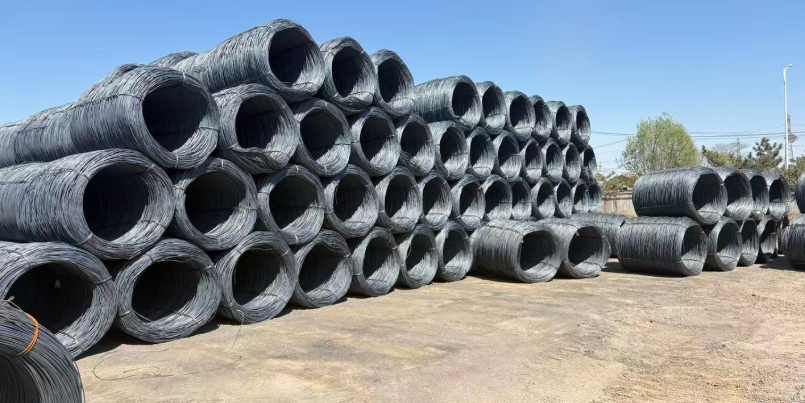
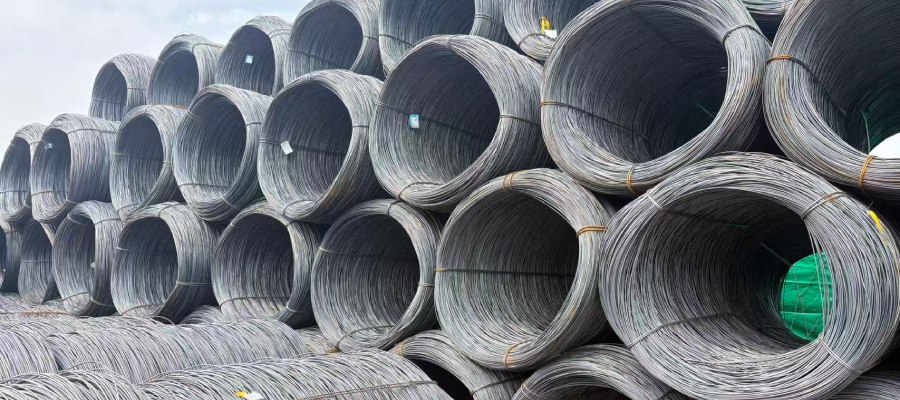
In the spring manufacturing industry, the quality of raw materials directly dictates the fatigue life and rebound performance of the final product. High carbon steel wire rod serves as the critical core for producing tension, compression, and torsion springs. Its consistency in chemical composition and physical properties is paramount for high-precision engineering.
This guide explores why high carbon wire rod is the gold standard for spring production and the key metrics buyers should prioritize in 2026.
Why High Carbon Steel for Spring Applications?
Spring functionality relies on a material's ability to undergo elastic deformation. High carbon steel—typically containing 0.60% to 0.95% carbon—offers distinct mechanical advantages:
High Tensile Strength: It supports massive loads without permanent deformation.
Superior Resilience: It returns to its original shape instantly after repeated compression or extension.
Exceptional Fatigue Resistance: Premium rods ensure that springs can withstand millions of cycles without fracture.
Critical Technical Indicators for Buyers
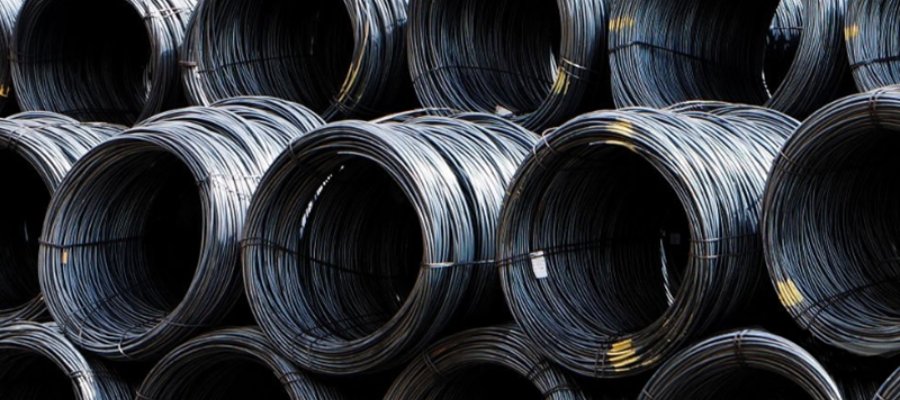
To ensure smooth production, especially during high-speed wire drawing and coiling, high carbon wire rods must meet rigorous standards:
Balanced Chemical Composition: Beyond Carbon (C), Manganese (Mn) content determines hardenability, while impurities like Sulfur (S) and Phosphorus (P) must be kept to a minimum to prevent brittleness.
Surface Quality: The rod surface must be free of cracks, folds, or heavy decarburization. A decarburized layer significantly reduces surface hardness, leading to premature fatigue failure.
Metallurgical Structure: The ideal structure is fine Sorbite, achieved through controlled cooling (such as the Stelmor process) after rolling. This ensures excellent drawability for thin wire production.
Dimensional Tolerance: High-precision diameter tolerances (e.g., within ± 0.3mm) reduce die wear during the drawing process.
Common Grades and Industrial Use Cases
Depending on the final application, manufacturers typically select specific grades:
Grade | Common Applications |
SAE 1070 / 1080 | General mechanical springs and mattress coils. |
65Mn / SUP9 | Automotive suspension springs and heavy machinery damping. |
82B / 72B | High-strength PC wires and high-performance industrial springs. |
2026 Industry Trends: Green Steel and High Purity
As global supply chains shift toward sustainability, "Green Steel" wire rods have become a priority. Produced via Electric Arc Furnaces (EAF) or hydrogen-based smelting, these rods offer lower carbon footprints and superior purity (fewer non-metallic inclusions), which is vital for ultra-fine springs used in medical devices and aerospace.
Frequently Asked Questions (FAQ)
Q: What is the standard diameter for spring wire rods?
A: They generally range from 5.5mm to 16mm, with 5.5mm and 6.5mm being the most common sizes for drawing into fine wires.
Q: How can I prevent rust during transit?
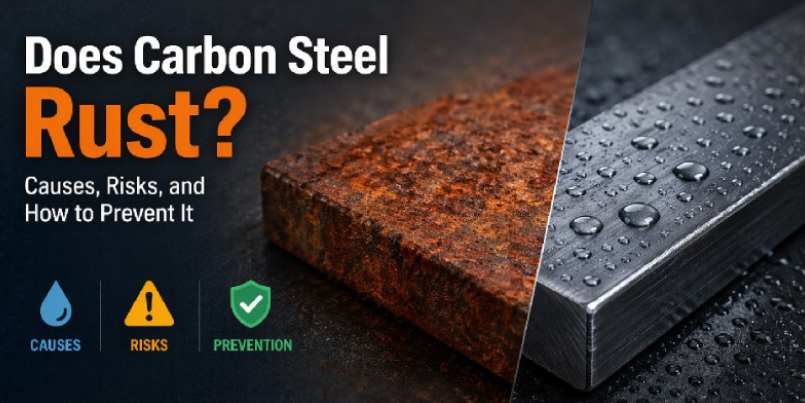
A: It is recommended to use anti-rust oil coating combined with waterproof woven packaging, especially for sea freight, to ensure the material arrives with a clean surface.
Q: Why does my wire frequently break during the drawing process?
A: This is often caused by internal inclusions or severe surface segregation. It is advisable to request a metallurgical structure report from your supplier.
Conclusion
Selecting the right high carbon steel wire rod is an investment in production efficiency and brand reputation. By strictly controlling the decarburization layer, metallurgical structure, and chemical purity, manufacturers can significantly reduce scrap rates and enhance product competitiveness in a demanding market.