


How Long Do Oil Pipelines Last? Lifespan & Key Factors
Oil pipelines play a vital role in the global energy sector, built to transport crude oil and petroleum products safely across vast distances. A common question that buyers, engineers, and project owners often ponder is: how long do oil pipelines actually last? The answer isn't straightforward and hinges on several factors, including the materials used, the surrounding environment, maintenance practices, and the conditions under which they operate. By grasping these elements, we can not only extend the lifespan of these pipelines but also help keep long-term costs in check.
How Long Do Oil Pipelines Last?
On average, oil pipelines have a lifespan of about 20 to 50 years. However, with the right design, effective corrosion protection, and regular maintenance, many can keep running for 60 years or even longer. Several factors play a role in determining how long they last, including:
- The type of material used (like carbon steel or stainless steel)
- The external environment (such as soil conditions and moisture levels)
- The internal conditions (like the type of crude oil being transported)
- The use of protective coatings and cathodic protection
- Maintenance practices, including pigging inspections
While modern pipelines are built to be durable, skipping on maintenance can really cut down their lifespan.
How Does Corrosion Affect the Lifespan of Oil Pipelines?
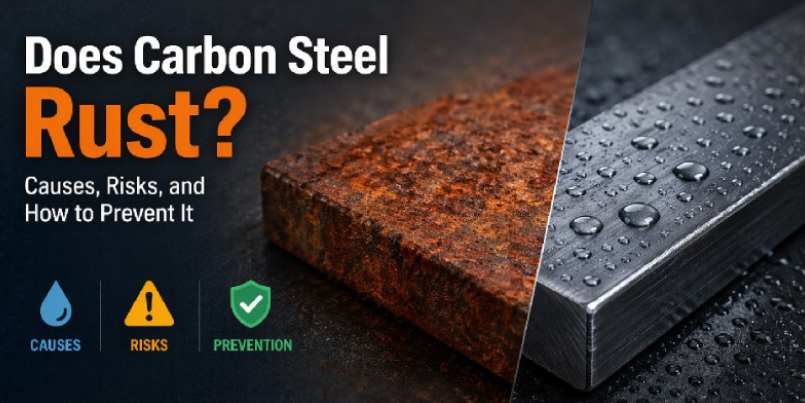
Corrosion is a major culprit behind pipeline failures and poses a significant threat to their lifespan. There are two primary types of corrosion to be aware of:
- External corrosion, which is triggered by factors like soil moisture, oxygen, and various chemicals.
- Internal corrosion, which results from elements such as water, CO₂, H₂S, and acidic crude oil.
Over time, corrosion can weaken the walls of pipes, leading to serious issues like:
- Decreased pressure tolerance
- A higher likelihood of leaks or ruptures
If pipelines aren’t properly protected, corrosion can cut their lifespan down to less than 15 to 20 years. However, with the right coatings and cathodic protection in place, we can effectively manage and control corrosion.
What Role Does Soil Composition Play in Pipeline Longevity?
Soil conditions play a crucial role in how long pipelines last. Here are some key factors to consider:
- Moisture content: Wet soils can speed up corrosion.
- pH level: Soils that are too acidic or too alkaline can lead to more metal degradation.
- Salt content: High salinity, which is often found in coastal areas, can accelerate corrosion.
- Microbial activity: Some bacteria can lead to microbiologically influenced corrosion (MIC).
For instance:
- Dry, neutral soil tends to promote a longer lifespan for pipelines.
- Wet, acidic, or saline soil can significantly shorten their lifespan.
That’s why it’s so important to conduct a thorough soil analysis before installation. This helps in choosing the right coatings and protection systems.
Does the Type of Crude Oil Affect Pipeline Life Expectancy?
Absolutely, the kind of crude oil being transported is crucial.
Sweet crude, which has low sulfur content, is less corrosive and typically helps to prolong the life of pipelines. On the other hand, slightly acidic or sour crude, which contains H₂S or CO₂, is highly corrosive and can speed up internal damage.
When dealing with acidic crude, you might encounter issues like:
- Internal pitting
- Stress corrosion cracking
- Accelerated wall thinning
Pipelines that carry sour crude often need:
- Higher-grade materials
- Internal coatings
- More frequent inspections
How Much Longer Do Coated Pipes Last Compared to Bare Steel Pipes?
Coated pipes have a much longer lifespan compared to bare steel pipes. When it comes to bare steel pipes, they usually last around 10 to 20 years, especially in tough environments. On the other hand, coated pipes that come with cathodic protection can last anywhere from 30 to over 60 years! Some common types of coatings include Fusion Bonded Epoxy (FBE), 3LPE (Three-layer polyethylene), and bitumen or coal tar coatings. These coatings serve as a protective barrier against moisture and chemicals, while cathodic protection helps to prevent electrochemical corrosion.
What Is the Expected Lifespan of Carbon Steel vs. Stainless Steel?
When it comes to pipelines, carbon steel is the go-to choice for many, thanks to its cost-effectiveness. These pipelines typically last between 20 to 50 years, and with the right protective measures, they can last even longer. However, they do need coatings and regular maintenance to keep them in good shape.
On the other hand, stainless steel pipelines offer superior corrosion resistance and can last anywhere from 50 to 100 years if conditions are just right. That said, they come with a much higher price tag and are usually reserved for specialized applications.
In most oil transport systems, carbon steel, when properly protected, strikes the perfect balance between cost and performance.
FAQ
1. Can oil pipelines last more than 50 years?
Yes, with proper coating, cathodic protection, and maintenance, pipelines can exceed 50–60 years.
2. What is the main cause of pipeline failure?
Corrosion is the leading cause, both internal and external.
3. Are underground pipelines more prone to damage?
Yes, especially due to soil conditions and moisture, but protection systems can mitigate risks.
4. Is stainless steel better than carbon steel for pipelines?
Stainless steel is more durable but much more expensive; carbon steel is more commonly used.
5. How can pipeline lifespan be extended?
Using coatings, cathodic protection, regular pigging, and proper material selection.
Conclusion
The lifespan of oil pipelines usually falls between 20 to 50 years, but with the right materials, coatings, and maintenance practices, that lifespan can be significantly extended. Several factors come into play, such as corrosion, soil conditions, the type of crude oil, and how often inspections are carried out. To ensure long-term performance, investing in corrosion protection and regular monitoring isn’t just a good idea—it’s absolutely essential.