


Rebar vs Wire Mesh: A Clear Guide for Concrete Projects
In today’s construction industry, choosing the right steel reinforcement is critical for safety, durability, and cost control. Many buyers, engineers, and contractors often compare rebar vs wire mesh or search for wire mesh vs rebar when planning different concrete projects. Although these two materials are sometimes mentioned together, they play very different roles in reinforced concrete.
This guide explains how rebar and wire mesh work, how they differ, and how to select the right rebar for concrete applications with better clarity and readability.
What Is Rebar for Concrete?
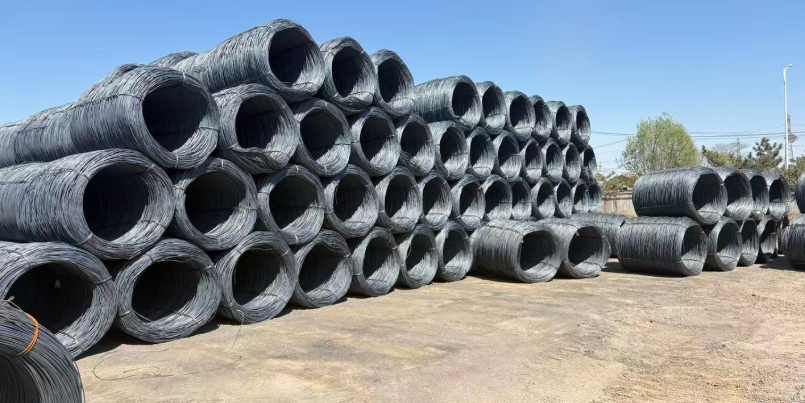
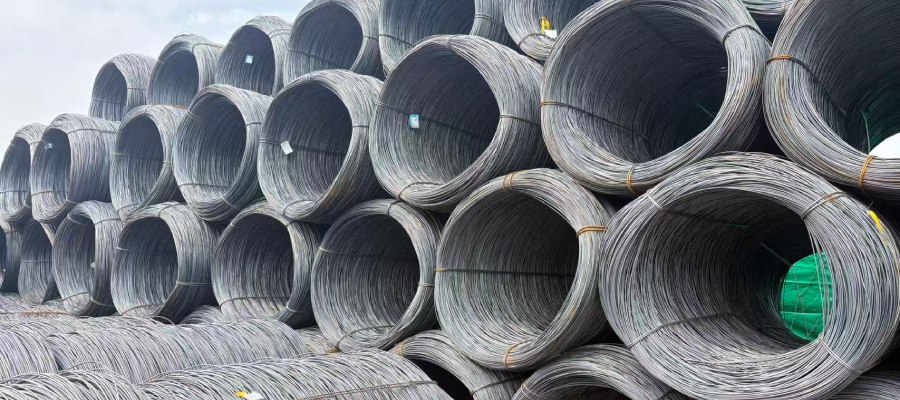
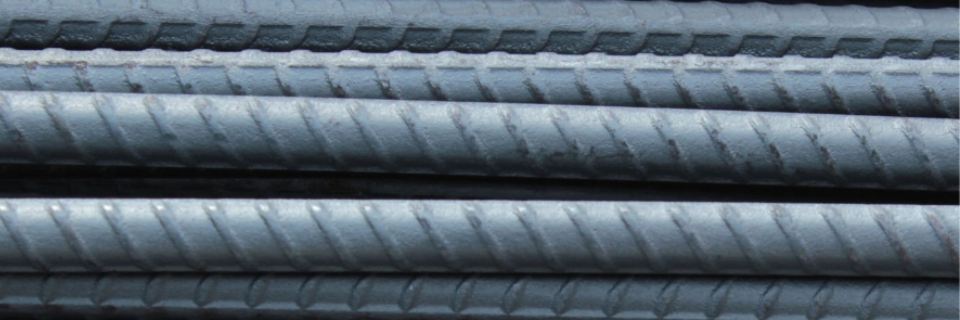
Rebar for concrete refers to ribbed steel bars embedded inside concrete to improve tensile strength. Concrete is very strong under compression, but weak when pulled or bent. Rebar solves this problem by carrying tensile loads and keeping structures stable over time.
Main Benefits of Rebar
High tensile and yield strength
Ribbed surface for strong bonding with concrete
Long service life in demanding environments
Suitable for structural and load-bearing elements
Common Applications
Rebar is widely used in:
Foundations and footings
Beams, columns, and slabs
Bridges, tunnels, and high-rise buildings
When comparing wire mesh vs rebar, rebar is always the preferred option for structural strength and safety.
What Is Wire Mesh?
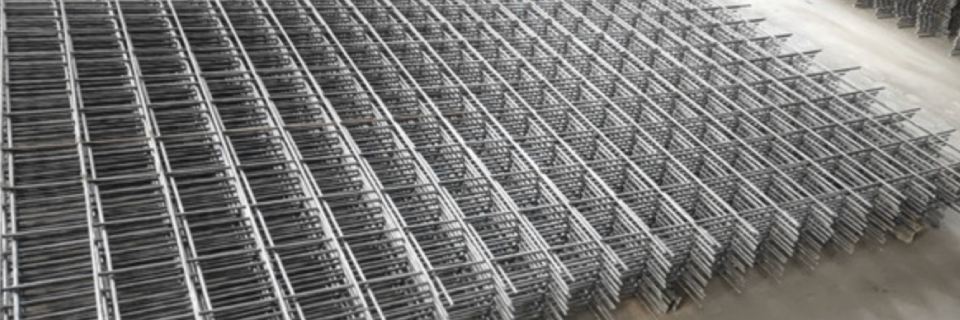
Wire mesh is made from steel wires welded into a regular grid pattern. It covers large surface areas evenly and is easier to install than individual steel bars. In many markets, steel mesh is grouped together with wire-based reinforcement products, but its function is mainly surface-related rather than structural.
Main Benefits of Wire Mesh
Lightweight and easy to transport
Fast installation, saving labor time
Even reinforcement across wide concrete areas
Cost-effective for flat concrete work
Common Applications
Wire mesh is commonly used in:
Concrete slabs on grade
Sidewalks and pavements
Driveways and flooring systems
Its main purpose is to reduce shrinkage cracks and improve surface stability.
Rebar vs Wire Mesh: Key Differences Explained
Understanding the difference between rebar vs wire mesh helps avoid structural risks and unnecessary costs.
ItemRebarSteel MeshStrength levelVery highMediumStructural roleLoad-bearingSurface reinforcementSteel thicknessThick solid barsThin welded wiresInstallationMore labor requiredFaster and simplerTypical useStructural concreteSlabs and flatwork
From a wire mesh vs rebar point of view, rebar is essential for strength, while mesh products focus on efficiency and crack control.
Rebar and Wire Mesh Used Together
In many large concrete projects, engineers specify both materials together. This approach takes advantage of mesh and rebar working as a system rather than as competitors.
Rebar supports the main loads and structural forces
Wire mesh improves surface durability and limits cracking
This combination is common in industrial floors, warehouses, parking areas, and commercial slabs where both strength and surface quality matter. Using rebar and wire mesh together often delivers better performance without significantly increasing costs.
How to Choose the Right Steel Reinforcement
When deciding between rebar vs wire mesh, consider the following factors:
1. Load requirements and structural design
2. Type and size of the concrete element
3. Local building codes and standards
4. Budget and installation conditions
For beams, columns, and foundations, rebar for concrete is mandatory. For slabs, pavements, and non-structural areas, steel mesh may be sufficient. In many cases, a combination of rebar and wire mesh provides the most balanced solution.
Conclusion
The choice between wire mesh vs rebar depends on how the concrete structure will perform in real conditions. Rebar provides essential structural strength, while steel mesh enhances surface performance and crack control. For modern concrete projects, understanding how different types of steel reinforcement work together leads to safer, stronger, and more cost-effective construction results.
By selecting the right material—or combining mesh and rebar wisely—you can ensure long-lasting concrete structures with improved performance and reliability.