


Rebar Diameter: 3, 5, 6, 7 & 8 Sizes Guide
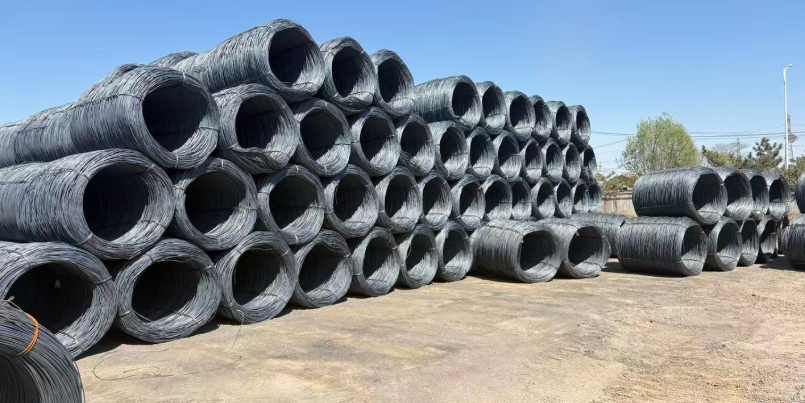
Understanding rebar diameter is essential for engineers, contractors, and international buyers involved in reinforced concrete construction. Whether you are sourcing materials for residential buildings, commercial structures, bridges, or infrastructure projects, selecting the correct reinforcement bar size directly impacts safety, compliance, and cost control.
This guide explains 3 rebar diameter, 5 rebar diameter, 6 rebar diameter, 7 rebar diameter, and 8 rebar diameter in detail, along with a complete rebar diameter chart to help you make accurate procurement decisions in 2026.
What Is Rebar Diameter?
Rebar diameter refers to the nominal thickness of a reinforcing steel bar used to strengthen concrete. In most global markets, rebar sizes follow one of three major standards:
ASTM (U.S. system, #3, #5, #6, #7, #8)
Metric system (measured in millimeters)
BS4449 (British Standard)
In the ASTM system, the bar number represents the diameter in eighths of an inch. For example:
3 rebar diameter = 3/8 inch
5 rebar diameter = 5/8 inch
6 rebar diameter = 6/8 inch (3/4 inch)
7 rebar diameter = 7/8 inch
8 rebar diameter = 8/8 inch (1 inch)
Understanding this numbering system is critical when comparing international specifications.
Rebar Diameter Chart (ASTM Standard)
Below is a commonly referenced rebar diameter chart used in structural engineering and international trade:
Bar Size | Diameter (inch) | Diameter (mm) | Approx. Weight (kg/m) |
3 rebar diameter | 0.375" | 9.5 mm | 0.56 kg/m |
5 rebar diameter | 0.625" | 15.9 mm | 1.58 kg/m |
6 rebar diameter | 0.750" | 19.1 mm | 2.24 kg/m |
7 rebar diameter | 0.875" | 22.2 mm | 3.04 kg/m |
8 rebar diameter | 1.000" | 25.4 mm | 3.98 kg/m |
This rebar diameter chart is essential for:
Engineering calculations
Load-bearing analysis
Shipping weight estimation
Bulk procurement planning
3 Rebar Diameter (Light Reinforcement)
The 3 rebar diameter (3/8 inch or 9.5 mm) is widely used in light construction applications, including:
Residential slabs
Sidewalks and driveways
Small foundations
Patio and landscape projects
It is easy to bend and install, making it ideal for small-scale reinforcement. In metric markets, this size is often substituted with 10mm rebar.
5 Rebar Diameter (Commercial Standard)
The 5 rebar diameter (5/8 inch or 15.9 mm) is one of the most commonly used sizes in commercial construction. It is suitable for:
Reinforced concrete beams
Columns
Footings
Medium-rise buildings
Because of its strength-to-weight balance, 5 rebar diameter is highly demanded in Africa, Southeast Asia, and Middle East markets.
6 Rebar Diameter (Heavy Structural Use)
The 6 rebar diameter (3/4 inch or 19.1 mm) is designed for higher load-bearing applications such as:
Large foundations
Industrial flooring
Structural beams
Infrastructure projects
It is commonly supplied in Grade 60 and Grade 75 under ASTM A615 or A706 standards. Contractors prefer this size for projects requiring greater tensile strength and durability.
7 Rebar Diameter (High-Load Applications)
The 7 rebar diameter (7/8 inch or 22.2 mm) is less common in small projects but essential for:
High-load columns
Bridge construction
Large reinforced concrete structures
Heavy infrastructure
Its larger diameter increases structural capacity while reducing the number of bars required in certain designs.
8 Rebar Diameter (Maximum Strength Category)
The 8 rebar diameter (1 inch or 25.4 mm) is classified as heavy reinforcement. It is typically used in:
High-rise buildings
Bridges and highways
Marine construction
Industrial and energy projects
Due to its weight and strength, it significantly increases concrete reinforcement capacity and structural stability.
ASTM vs Metric Rebar Diameter Comparison
International buyers often need to convert ASTM bar numbers to metric sizes. Here is a quick reference:
#3 ≈ 10mm
#5 ≈ 16mm
#6 ≈ 20mm
#7 ≈ 22mm
#8 ≈ 25mm
Always confirm whether your supplier follows ASTM, BS4449, or metric standards to avoid specification mismatches.
Diameter Tolerance and Quality Inspection
According to ASTM A615 standards:
Diameter tolerance typically ranges from ±0.4mm to ±0.8mm
Weight tolerance is usually within ±6%
Professional buyers should always verify:
Mill Test Certificate (MTC)
Third-party inspection reports
Actual diameter measurement using calibrated tools
Bundle weight consistency
Diameter deviations can affect structural approval and engineering compliance.
Why Rebar Diameter Matters in 2026 Procurement
In today’s global steel market, accurate diameter selection impacts:
Project safety compliance
Structural performance
Material budgeting
Container loading efficiency
International certification approval
With stricter engineering standards and digital tender systems in 2026, specifying the correct rebar diameter is more important than ever for contractors and importers.
Rebar Diameter in Different Grades
Rebar diameter must also be evaluated together with grade strength:
Common grades include:
Grade 40
Grade 60
Grade 75
HRB400
HRB500
For example:
A 5 rebar diameter in Grade 75 may provide similar tensile performance to a larger diameter in Grade 60.
Engineers may optimize structural design by balancing diameter and yield strength.
Therefore, diameter alone does not determine performance — grade and spacing are equally important.
Frequently Asked Questions
What is the diameter of #6 rebar?
The 6 rebar diameter is 0.75 inch (19.1 mm).
What is the diameter of #8 rebar?
The 8 rebar diameter is 1 inch (25.4 mm).
Is #3 rebar equal to 10mm rebar?
Yes, 3 rebar diameter (9.5 mm) is approximately equal to 10mm metric rebar.
Which rebar diameter is best for foundations?
For residential foundations, #5 or #6 rebar is commonly used, depending on structural design requirements.
Final Thoughts
A clear understanding of 3 rebar diameter, 5 rebar diameter, 6 rebar diameter, 7 rebar diameter, and 8 rebar diameter helps ensure proper structural reinforcement and international standard compliance. Using a reliable rebar diameter chart allows engineers and buyers to make informed decisions, optimize material costs, and maintain construction safety.