


Deformed Bar Product Introduction Guide
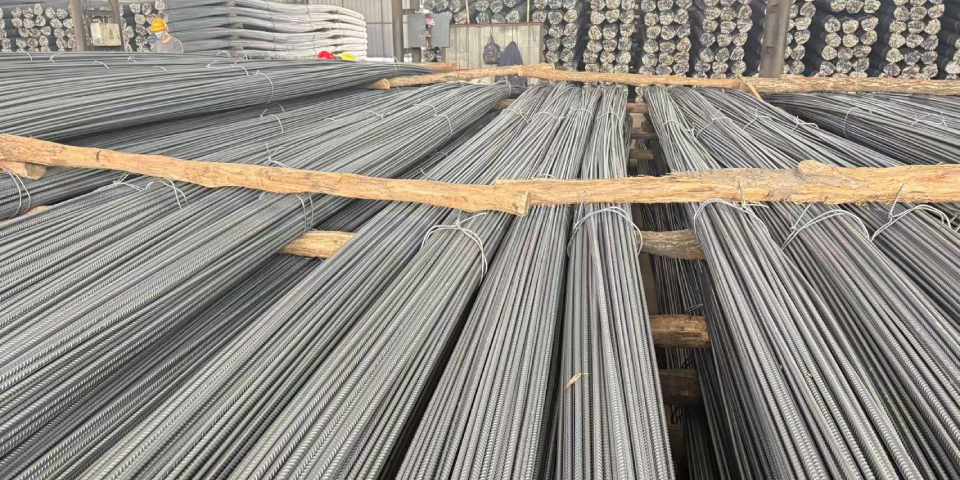
A deformed bar is a core material used in reinforced concrete construction. It is manufactured from carbon steel and features ribs or surface deformations along the bar body. These surface patterns are designed to improve the mechanical bond between steel and concrete. Because of this enhanced bonding performance, deformed reinforcing products are widely used in structural projects that require high strength and long-term stability.
Compared with plain round bars, ribbed reinforcement provides better anchorage inside concrete. This helps structures resist tension, shear forces, and cracking during service. Today, deformed bars are considered a standard solution for modern concrete construction worldwide.
Definition and Basic Function
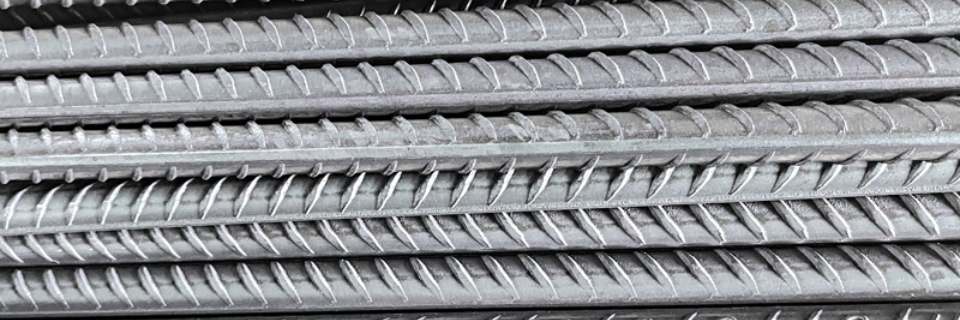
A deformed reinforcing bar is a steel bar with raised ribs formed during the rolling process. The main function of these ribs is to prevent slippage between steel and concrete. When concrete hardens around the bar, the ribs lock the steel firmly in place. This allows loads to be transferred efficiently between the two materials.
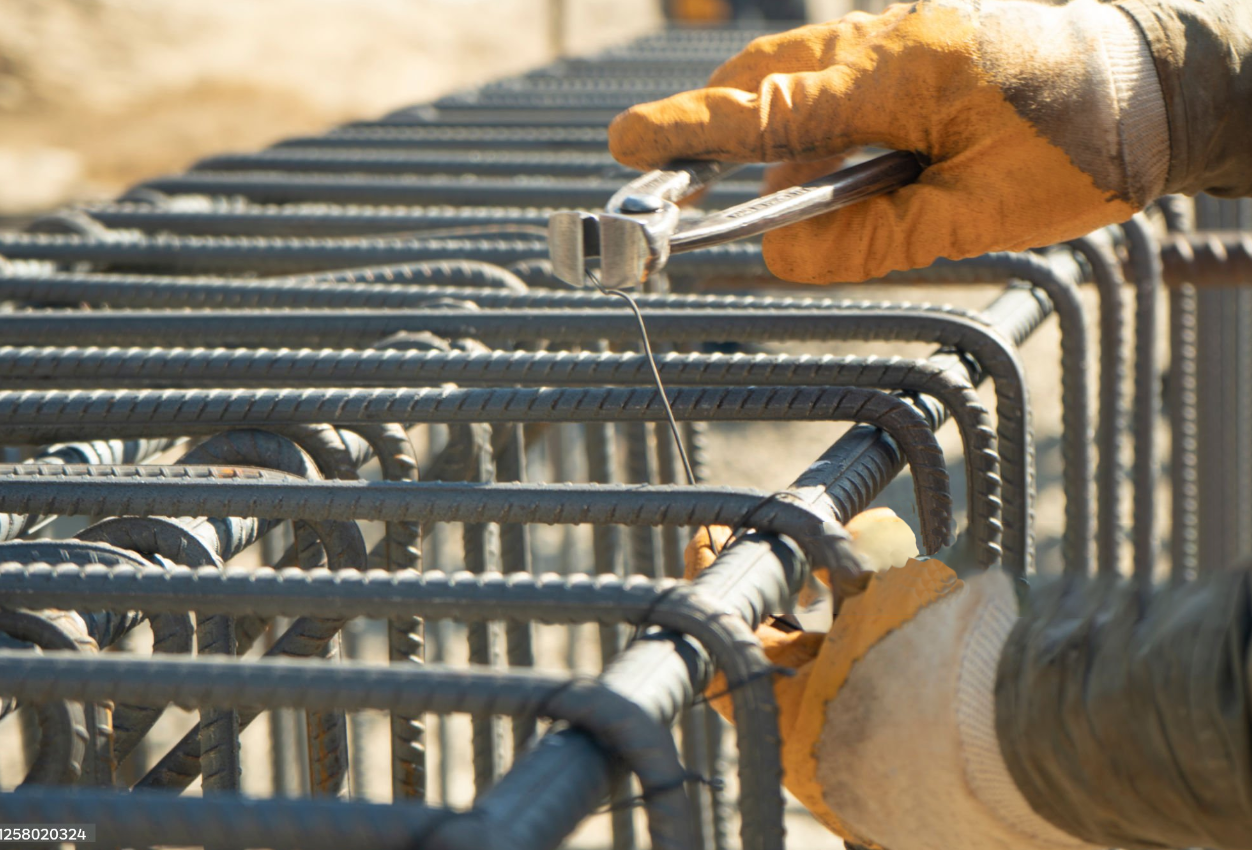
Concrete performs very well under compression but is weak in tension. Reinforcing steel compensates for this weakness. By embedding ribbed steel bars inside concrete, the structure gains improved tensile strength and durability. This is why deformed reinforcement is essential in load-bearing elements.
Key Characteristics
Deformed reinforcing steel offers a combination of mechanical strength and flexibility, making it suitable for a wide range of applications.
Main characteristics include:
Ribbed surface for strong bonding with concrete
High yield strength and tensile strength
Good ductility for bending and shaping
Stable performance under dynamic loads
Resistance to deformation during service
These properties help ensure that reinforced concrete structures remain safe and reliable over time.
Manufacturing Process
Deformed bars are produced using a hot rolling process. High-quality carbon steel billets are selected as raw material. These billets are heated to a high temperature and passed through rolling mills that shape the bar and form the ribs at the same time.
Typical production steps include:
1. Heating steel billets to rolling temperature
2. Hot rolling to form diameter and rib pattern
3. Controlled cooling to achieve desired mechanical properties
4. Straightening and cutting to standard or custom lengths
5. Inspection and testing before delivery
This controlled process ensures consistency in size, strength, and surface quality.
Sizes and Dimensions
Ribbed reinforcing bars are available in many diameters to suit different construction needs.
Common diameter range:
6 mm to 50 mm
Standard lengths:
6 meters
9 meters
12 meters
Custom lengths available upon request
Different diameters are chosen based on structural design requirements, load conditions, and local building codes.
Grades and Standards
Deformed reinforcement is manufactured according to international and regional standards to ensure safety and performance. Common standards define chemical composition, mechanical properties, and dimensional tolerances.
Typical standards include ASTM, BS, and other equivalent specifications. Each grade specifies minimum yield strength, tensile strength, and elongation values. Selecting the correct grade is critical for meeting project design requirements.
Applications in Construction
Reinforcing steel with surface deformations is widely used across many construction sectors.
Typical applications include:
Residential housing projects
Commercial and industrial buildings
Bridges and highways
Foundations and footings
Beams, columns, and floor slabs
Retaining walls and infrastructure works
In these applications, ribbed bars improve load transfer and help control cracking in concrete elements.
Advantages Compared with Plain Bars
When compared with smooth round bars, deformed reinforcement offers several important advantages.
Key benefits include:
Stronger mechanical bond with concrete
Reduced risk of slippage under load
Improved structural safety
Better resistance to tensile forces
Enhanced durability and service life
These advantages make ribbed reinforcing steel the preferred choice for reinforced concrete structures.
Quality Control and Testing
Strict quality control is essential to ensure reliable performance. Reinforcing bars undergo a series of tests before shipment.
Common tests include:
Yield strength and tensile strength testing
Elongation measurement
Bend and rebend testing
Dimensional and surface inspection
Only products that meet standard requirements are approved for delivery and use in construction projects.
Packaging and Transportation
Steel reinforcement bars are typically packed in bundles and secured with steel straps. Each bundle is clearly labeled with size, grade, heat number, and manufacturer information. Proper packaging helps protect the material during transportation and makes handling easier on site.
Efficient logistics and careful loading help ensure that products arrive in good condition.
Storage and Handling
Proper storage is important to maintain quality. Reinforcing steel should be stored on raised platforms to avoid direct contact with the ground. Exposure to moisture should be minimized, especially in long-term storage conditions.
Correct handling prevents bending, surface damage, and contamination that could affect performance.
Conclusion
A deformed bar is an essential component of reinforced concrete construction. Through its ribbed design, high strength, and reliable performance, it helps concrete structures resist tension and maintain stability. With a wide range of sizes, grades, and applications, deformed reinforcing steel continues to play a vital role in modern construction projects.
Choosing high-quality reinforcement products ensures better structural integrity, longer service life, and greater safety for buildings and infrastructure.