


What Is Reinforcing Bar?
Concrete is one of the most common materials used in construction. It is strong when pressed, but weak when pulled or bent. Because of this weakness, concrete alone cannot handle all types of stress in buildings or infrastructure.
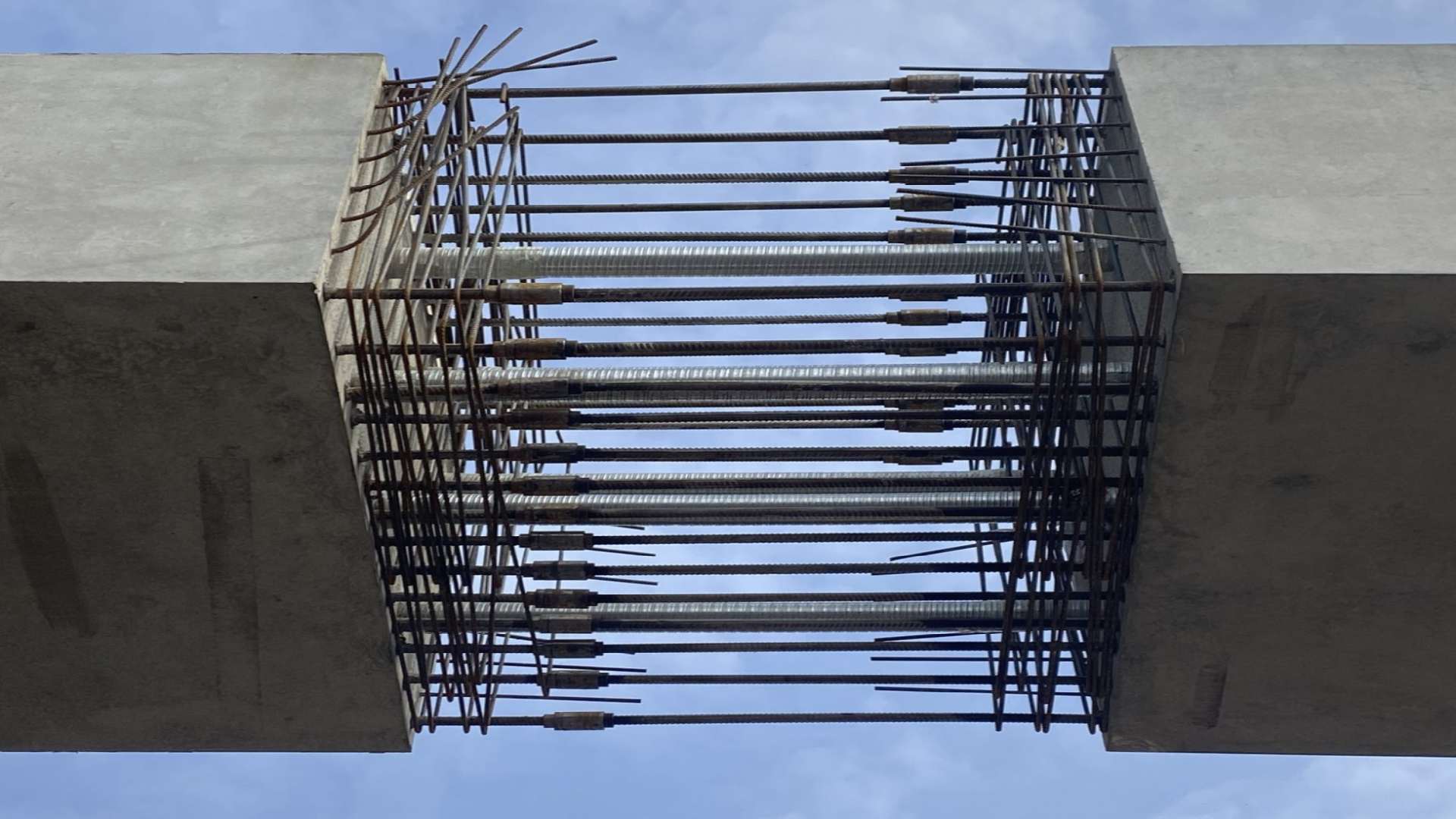
To solve this problem, steel is placed inside the concrete. The steel and concrete then work together as one system. This method is known as reinforced concrete, and it is used in almost every modern construction project.
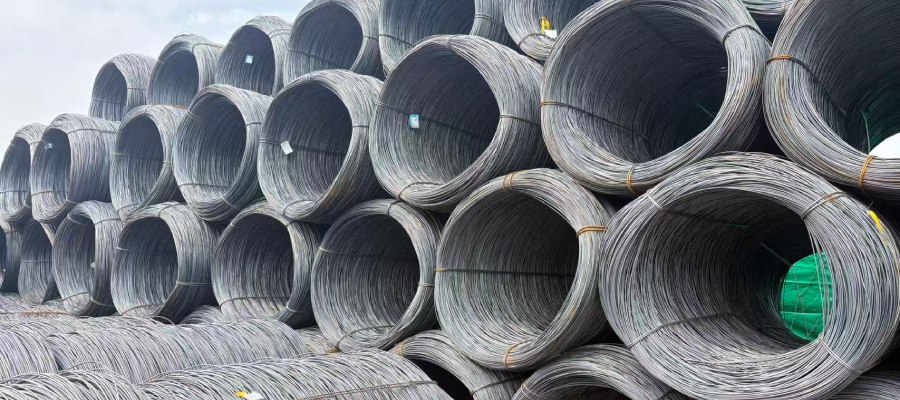
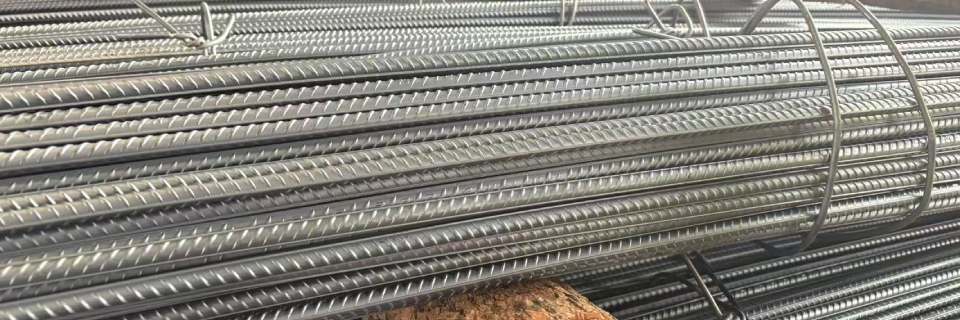
A reinforcing bar is usually called rebar, which is short for reinforcement steel. It is made from carbon steel and installed before concrete is poured. After the concrete hardens, the steel becomes firmly bonded inside, helping the structure resist tension, bending, and cracking during daily use.
Why Steel Reinforcement Is Important
Concrete can crack for many reasons. Heavy loads, temperature changes, drying shrinkage, and ground movement all place stress on a structure. Steel reinforcement helps control these stresses by carrying forces that concrete cannot handle on its own.
Another major benefit is higher load capacity. With proper reinforcement, structural parts such as beams, slabs, and columns can safely support more weight. This is especially important in high-rise buildings, bridges, and industrial facilities.
Steel inside concrete also helps limit crack width. Small cracks may still appear, but the embedded steel holds the concrete together and prevents the damage from spreading.
Common Steel Types Used in Concrete
Different projects use different types of reinforcement steel. The most common options include:
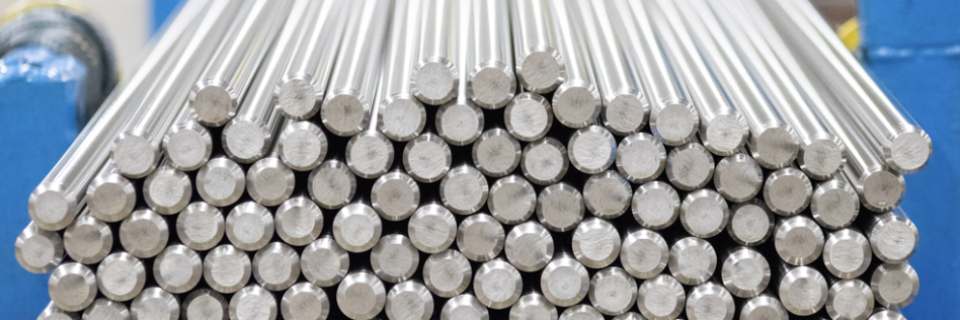
Plain mild steel bars
These have a smooth surface and are mainly used in light or temporary structures.
Deformed steel bars
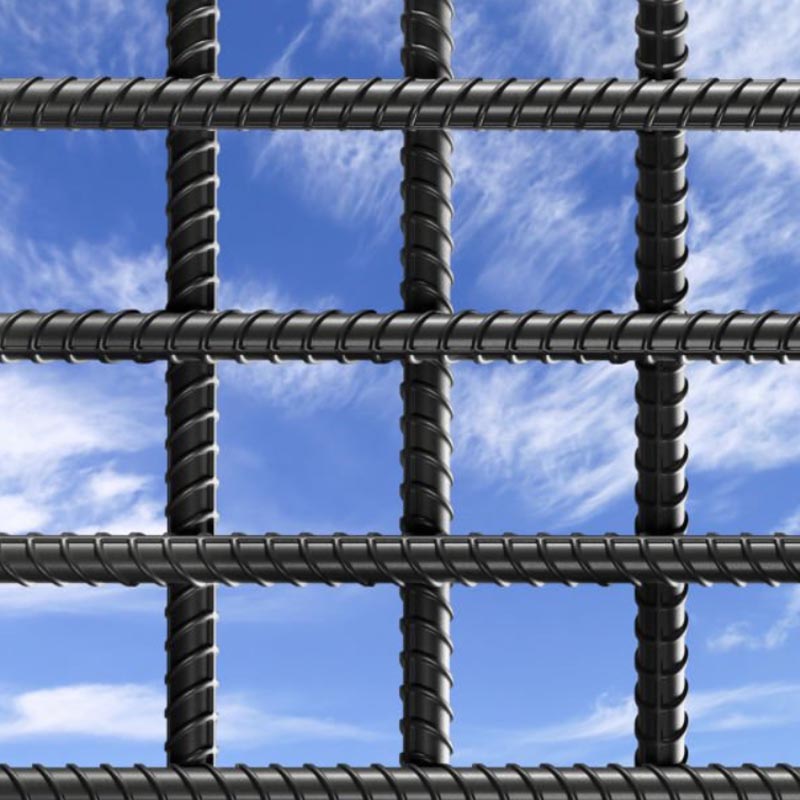
These have ribs on the surface, which improve grip with concrete. They are the most widely used type.
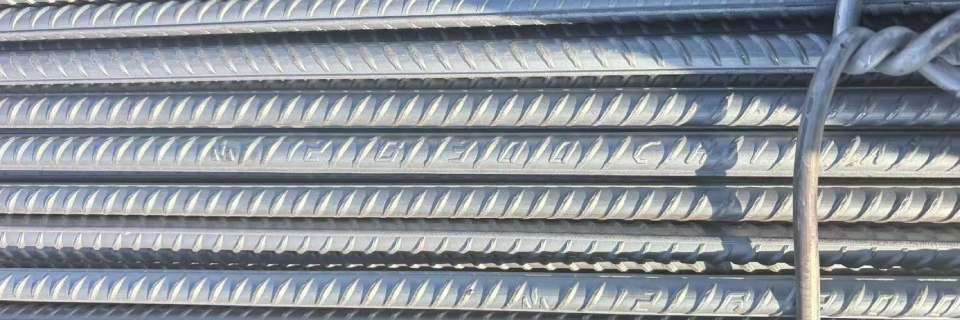
Carbon steel rebar
This is a popular choice because it offers good strength at a reasonable cost.
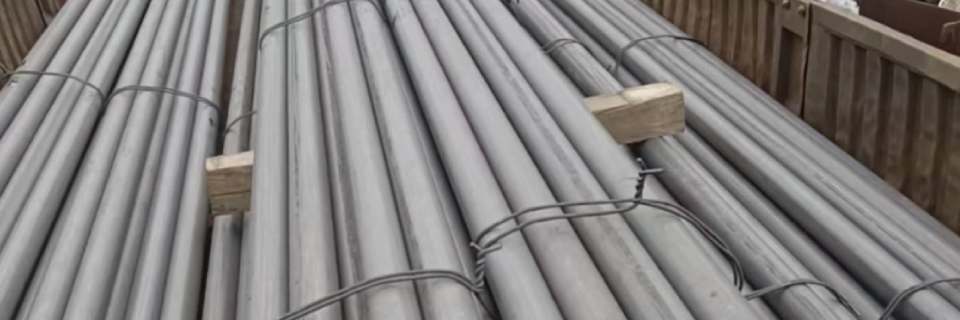
Coated steel products
Epoxy-coated or galvanized steel is used in coastal or humid areas to reduce corrosion.
The right choice depends on design needs, environment, and budget.
Sizes and Standards
Steel reinforcement is produced in many diameters and lengths. Common sizes include 6mm, 8mm, 10mm, 12mm, 16mm, and 20mm. Larger diameters are used for heavy-load structures.
Different countries follow different standards, such as ASTM, BS, or ISO. Engineers select the size and grade based on calculations, safety rules, and local building codes.
Where Steel Reinforcement Is Used
Steel reinforcement is used in many concrete structures, including:
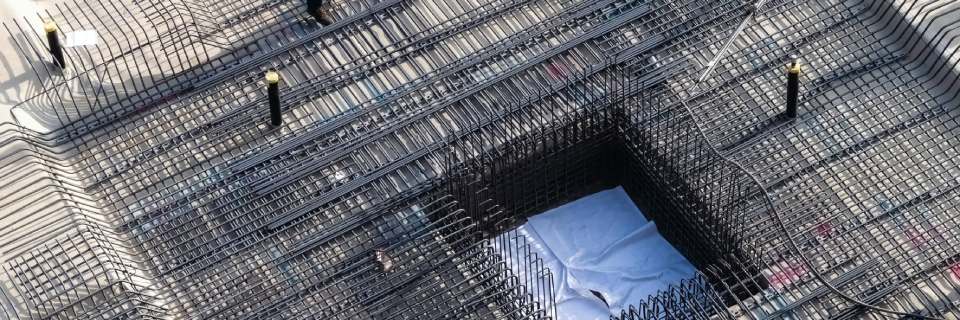
Foundations and footings
Beams, columns, and floor slabs
Roads and pavements
Bridges and tunnels
Retaining walls and drainage systems
In retaining walls, reinforcement steel helps resist soil pressure and reduces long-term cracking.
Advantages of Reinforced Concrete
Reinforced concrete structures last longer and require less maintenance. They perform better under earthquakes, wind loads, and heavy traffic. Because of these advantages, reinforced concrete is widely used in residential, commercial, and infrastructure projects.
Conclusion
So, what is reinforcing bar? It is a key steel element placed inside concrete to improve strength, control cracking, and support long-lasting structures. With proper reinforcement materials, builders can create safe and durable construction that performs well for decades.