


What Is the Standard Length of a Reinforcing Bar?
Many engineers and contractors struggle to choose the correct reinforcing bar length. Selecting the wrong length can lead to wasted materials, higher labor costs, and construction delays. This guide explains the standard length of reinforcing bars, why it matters, and what professionals should know to achieve safe and cost-efficient construction results.
What Is the Standard Length of Reinforcement Bar?
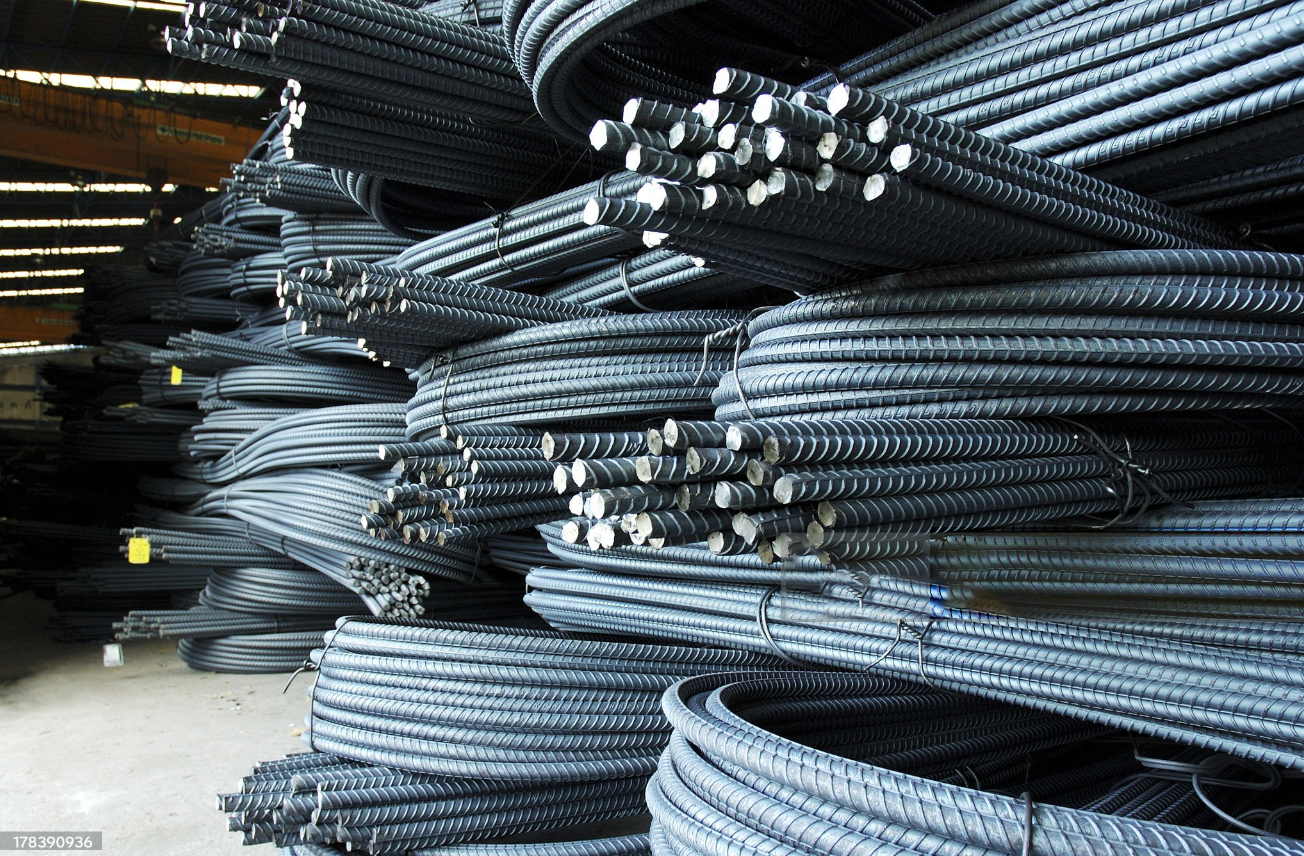
The standard length of a reinforcing bar is 12 meters, which is approximately 40 feet. This length is widely accepted across global construction markets and complies with major standards such as ASTM, BS, and ISO.
Using a uniform length simplifies:
Transportation and storage
Cutting and bending on site
Quantity estimation and cost control
Although customized lengths are available from many steel mills, the 12-meter bar remains the global benchmark for most reinforced concrete projects.
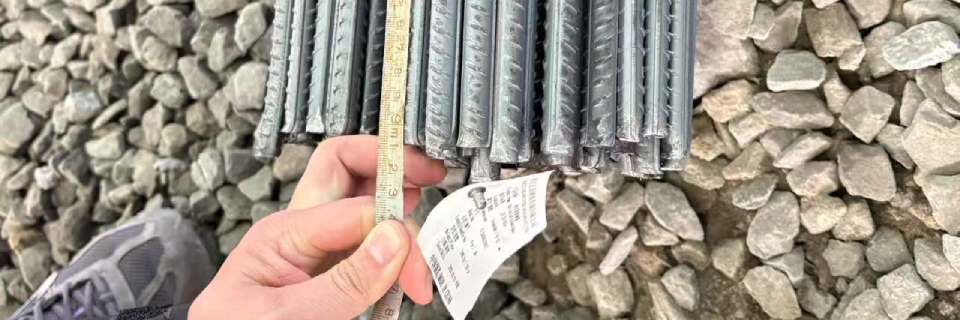
What Is the Length of a Reinforcement Bar in Feet?
Reinforcement steel bars are measured in either metric or imperial units, depending on regional practices. This dual system can sometimes confuse buyers when comparing specifications.
Standard length: 40 feet (≈12 meters)
Short lengths: 20 feet (≈6 meters)
Maximum lengths: up to 60 feet (≈18 meters), upon request
In the United States, contractors commonly purchase 20-foot or 40-foot steel rebar from local suppliers. Longer bars reduce the need for splicing but require special transport and handling equipment, which can increase logistics costs.
What Is the Standard Length of a Steel Reinforcing Bar?
Most international building codes specify 12 meters as the standard steel bar length. Bars longer than this become difficult to transport and are more prone to bending or damage during delivery.
Steel reinforcement bars—also known as deformed bars or reinforcing steel rebar—are widely used in:
Concrete slabs
Bridges
Columns and beams
High-rise buildings
This standardized length supports consistent structural design and efficient on-site processing. Some manufacturers can supply bars up to 18–20 meters, but these options usually come with higher freight costs and handling risks.
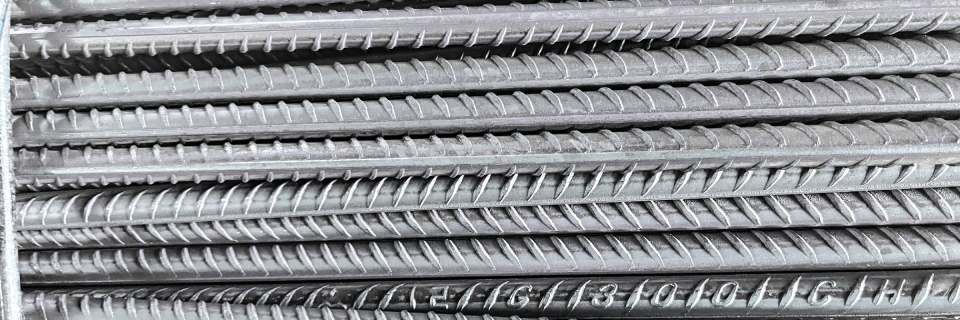
What Is the Length of a 10mm Reinforcement Bar?
Reinforcing bar length can vary by diameter and application. A 10mm reinforcing bar is commonly supplied in 6-meter (20-foot) lengths and weighs about 3.7 kg per bar.
Because of its flexibility and light weight, 10mm rebar is widely used for:
Slabs
Staircases
Walls
Light structural reinforcement
For larger structures, engineers often combine 10mm bars with 12mm or 16mm bars based on a rebar size chart. Shorter bars are easier to handle, but they require more joints, which increases lap length and material usage.
How to Calculate the Required Length of Reinforcing Bar
Accurate calculation of total rebar length helps avoid shortages and unnecessary waste.
Basic steps include:
1. Count the number of bars required
2. Multiply by the individual bar length
3. Add allowances for bends, hooks, and overlaps
The lap length of a reinforcing bar is usually 40–60 times the bar diameter.
For example:
A 12mm bar requires about 0.5–0.7 meters of overlap
The development length (Ld) is the minimum length embedded in concrete to achieve full strength. Ignoring this requirement may result in cracks or structural failure. Many professionals now use mechanical couplers to reduce overlap and save material.
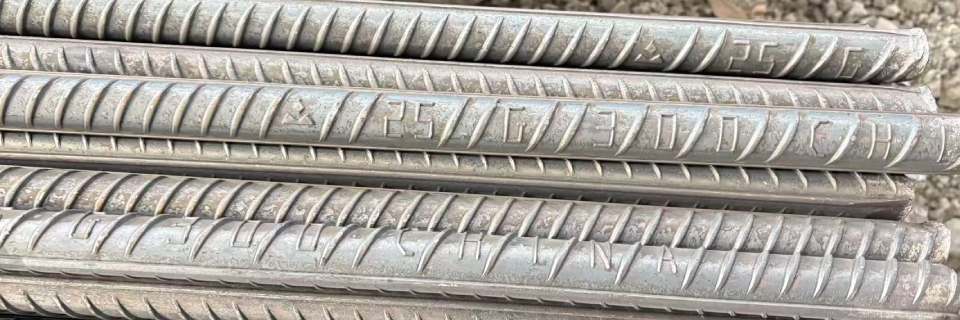
Why Correct Rebar Length Matters in Construction
Using the correct reinforcing bar length is essential for:
Structural safety
Efficient load transfer
Reduced cutting waste
Lower labor and material costs
Improper bar lengths can cause weak joints, uneven stress distribution, and costly rework. Correct sizing also improves transportation efficiency and simplifies quality control on site.
Certified suppliers provide standardized dimensions, clear labeling, and test certificates. For corrosive environments, epoxy-coated or galvanized reinforcement is often recommended to extend service life.
Common Reinforcing Bar Installation Mistakes
Even correctly sized bars can fail if installed improperly. Common mistakes include:
Insufficient lap length
Poor alignment and spacing
Rust or dirt on bar surfaces
Incorrect concrete cover depth
Reinforcing bars should be clean, properly tied, and supported with spacers before pouring concrete. Misalignment can lead to uneven stress and long-term durability problems. Always follow design drawings and approved rebar size charts.
Summary
The standard length of a reinforcing bar is 12 meters (40 feet), a global standard that supports safe design, efficient construction, and cost control. Understanding bar lengths, proper calculation methods, and correct installation practices helps eliminate errors and ensures strong, durable reinforced concrete structures.