


Concrete Fiber vs Rebar: Which Reinforcement Is Better?
Reinforced concrete is essential in modern construction projects because plain concrete has high compressive strength but limited tensile performance. To improve the strength of concrete and overall performance, engineers commonly use either steel reinforcement (rebar) or fiber reinforcement. This article compares concrete fiber vs rebar, fiber in concrete vs rebar, fiber reinforced concrete vs rebar, and rebar vs fiber concrete, helping you understand their differences in strength and durability, applications, and selection methods.
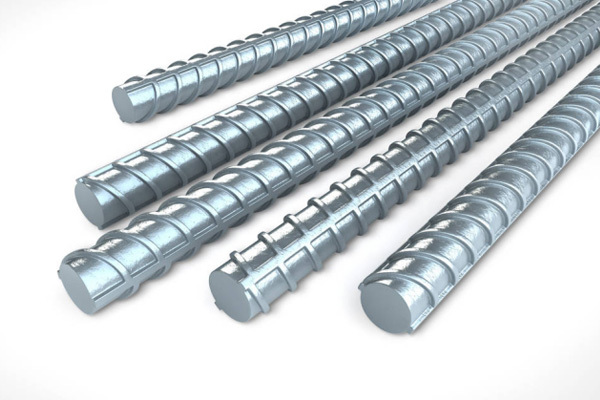
What Is Rebar?
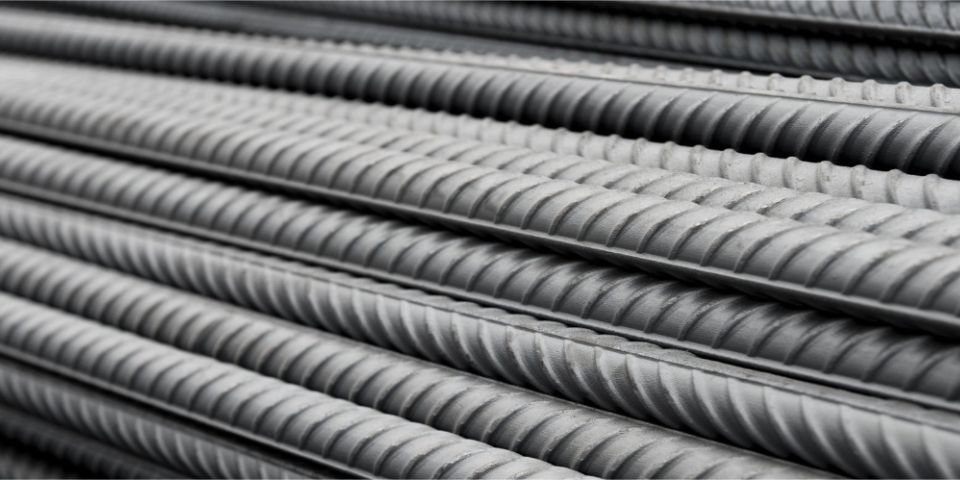
Rebar (reinforcing steel bar) is installed inside concrete in a grid pattern to provide tensile strength and structural support. This method requires precise placement before pouring concrete, as rebar must align with engineering drawings and load requirements.
Rebar is widely used in:
Foundations
Beams and columns
Slabs and structural frames
Bridges and infrastructure projects
Because it is arranged in a grid, rebar effectively resists tensile forces and improves the structural integrity of concrete elements in load-bearing construction projects.
What Is Fiber Reinforced Concrete?
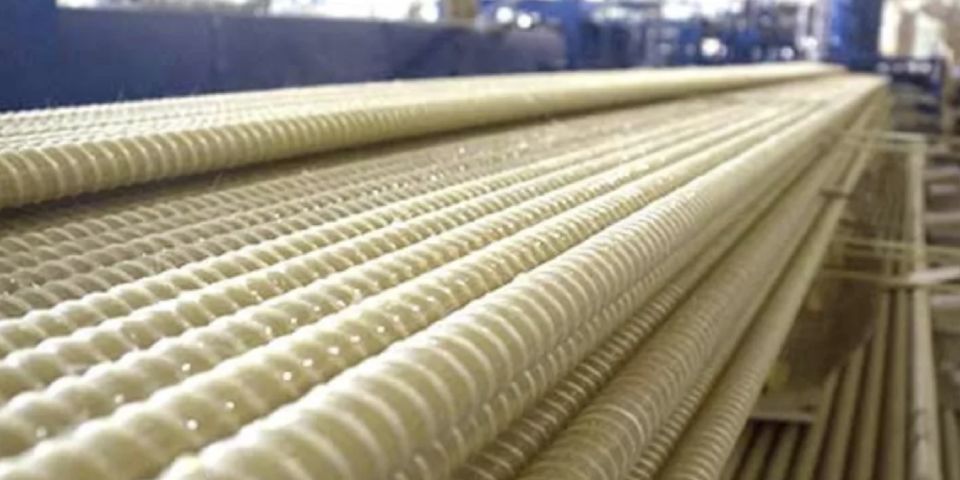
Fiber reinforced concrete uses small steel fibers, synthetic fibers, or other materials mixed directly into the concrete. Unlike rebar, which is placed in a grid pattern, fibers are evenly distributed throughout the mix, forming what is often referred to as fiber mesh within the concrete.
These fibers help improve:
Crack resistance and preventing cracking
Surface toughness
Impact resistance
Overall flexural strength
Steel fibers are especially effective in enhancing post-crack performance and distributing stresses across the concrete matrix.
Concrete Fiber vs Rebar: Key Differences
When comparing concrete fiber vs rebar, the reinforcement approach and performance characteristics differ significantly.
1. Reinforcement Method
Rebar: Installed in a structured grid pattern and requires precise layout before casting
Fiber: Mixed uniformly into concrete, acting as a dispersed reinforcement system (fiber mesh)
2. Crack Control
Rebar: Controls major structural cracks
Fiber: Excellent for preventing micro-cracks and early-stage shrinkage cracking
3. Installation Requirements
Rebar: Requires precise cutting, bending, and positioning
Fiber: Added directly into the mix, simplifying construction processes
4. Structural Role
Rebar: Primary reinforcement for structural load-bearing elements
Fiber: Secondary reinforcement that enhances durability and crack resistance
Fiber in Concrete vs Rebar: Performance Comparison
In the context of fiber in concrete vs rebar, each reinforcement type contributes differently to concrete behavior.
Strength of Concrete
Rebar significantly increases tensile capacity in specific directions
Fiber improves overall uniformity in the strength of concrete
Flexural Strength
Rebar supports bending forces in structural elements
Steel fibers improve flexural strength by bridging cracks and distributing stress
Strength and Durability
Rebar ensures structural stability under heavy loads
Fiber improves strength and durability, particularly in resisting shrinkage, abrasion, and impact
Crack Prevention
Fiber is highly effective in preventing cracking, especially at early stages
Rebar mainly controls larger, structural cracks after loads are applied
Fiber Reinforced Concrete vs Rebar: Can Fiber Replace Rebar?
A common question in fiber reinforced concrete vs rebar comparisons is whether fiber can replace traditional steel reinforcement.
In most construction projects:
Rebar cannot be fully replaced by fiber in structural elements
Building codes typically require precise rebar placement for safety
However, fiber (including steel fibers) can:
Reduce the amount of rebar required
Improve crack control and surface performance
Work together with rebar in hybrid reinforcement systems
Rebar vs Fiber Concrete: When to Use Each
When comparing rebar vs fiber concrete, the choice depends on structural requirements and application type.
Use Rebar When:
Load-bearing structural elements are required
Projects involve beams, columns, and foundations
Compliance with engineering codes is mandatory
A grid pattern reinforcement system is specified
Use Fiber Concrete When:
Industrial floors and slabs on grade
Pavements, driveways, and sidewalks
Precast elements
Applications where crack control and surface durability are critical
Use Both (Hybrid Reinforcement):
Heavy-duty industrial floors
Infrastructure projects
Tunnels and precast components
High-performance slabs requiring both tensile capacity and crack resistance
Combining rebar and fiber mesh improves overall strength and durability while optimizing performance.
Advantages of Fiber Reinforced Concrete
Excellent for preventing cracking
Improved flexural strength
Enhanced impact and abrasion resistance
More uniform reinforcement (fiber mesh distribution)
Reduced shrinkage cracks
Easier and faster installation compared to rebar systems
Advantages of Rebar Reinforcement
High tensile strength for structural loads
Provides reliable reinforcement in a grid pattern
Essential for structural integrity in major construction projects
Well-established and widely accepted in engineering standards
Suitable for applications that requires precise structural design
FAQs
Q1: Can fiber completely replace rebar in concrete?
A: No. Fiber improves crack control and durability but cannot replace rebar in structural load-bearing elements. Rebar is still required by most building codes.
Q2: What is the main difference between fiber mesh and rebar?
A: Fiber mesh is distributed throughout the concrete mix for uniform reinforcement, while rebar is placed in a grid pattern to provide directional structural support.
Q3: Does fiber improve the strength of concrete?
A: Yes. Fiber enhances the overall strength of concrete, particularly in terms of crack resistance, impact resistance, and flexural strength.
Q4: When should steel fibers be used instead of rebar?
A: Steel fibers are commonly used in slabs, pavements, and industrial floors where preventing cracking and improving surface durability are priorities.
Q5: Is it necessary to use both fiber and rebar together?
A: In many construction projects, combining fiber and rebar provides better strength and durability, with rebar handling structural loads and fiber improving crack control.
Conclusion
The comparison of concrete fiber vs rebar, fiber in concrete vs rebar, and fiber reinforced concrete vs rebar shows that both reinforcement methods serve different purposes. Rebar is essential for structural strength and load-bearing applications, while fiber (including steel fibers and fiber mesh) enhances crack resistance, flexural strength, and overall strength and durability.
In many modern construction projects, the best approach is often a combination of both systems. This hybrid method leverages the advantages of each, ensuring better performance, improved crack control, and long-term structural reliability.