


Is It Better to Use Rebar or Wire Mesh in Concrete?
When reinforcing concrete structures, builders often choose between rebar and wire mesh. Both materials improve the strength and durability of concrete by controlling cracking and distributing loads. However, they serve slightly different purposes and are used in different construction situations. Factors such as structural strength, load requirements, and cost will determine whether rebar or wire mesh is the better option for a project.
Which Is Stronger: Rebar or Wire Mesh?
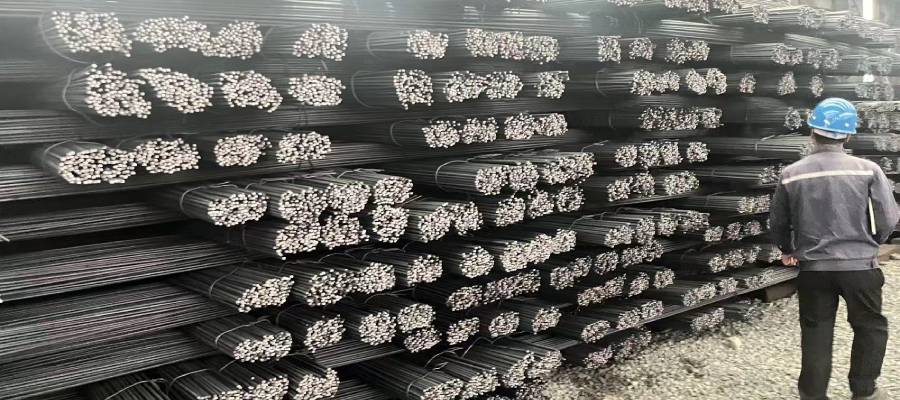
In most structural applications, rebar is stronger than wire mesh. Rebar is made from solid steel bars with high tensile strength, allowing it to support heavier loads and reinforce structural elements like foundations, beams, and columns.
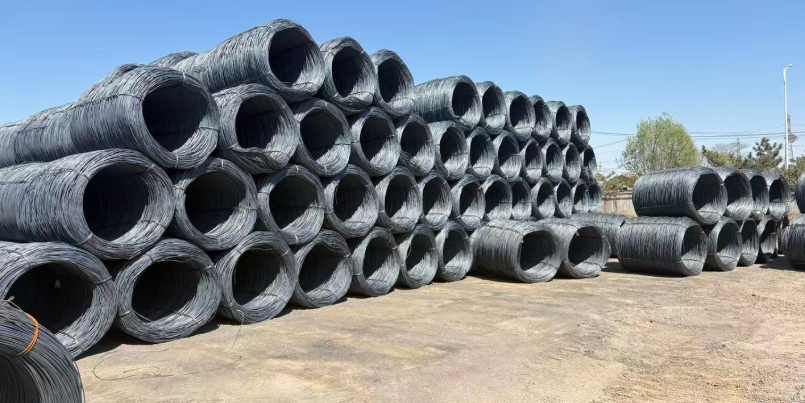
Wire mesh, also known as welded wire mesh, consists of thinner steel wires welded together in a grid pattern. It mainly helps control surface cracking rather than providing significant structural reinforcement. For heavy-duty construction projects, rebar is usually the preferred reinforcement material.
Can Wire Mesh Replace Rebar in a Driveway?
Wire mesh can be used in residential driveways, particularly when the expected load is light, such as passenger vehicles. It helps prevent small cracks caused by temperature changes and shrinkage during curing.
However, if the driveway will support heavier vehicles such as trucks or commercial equipment, rebar reinforcement is typically recommended. Rebar provides stronger support and helps the concrete withstand repeated stress over time.
Is Wire Mesh or Rebar Better for a 4-Inch Slab?
For a 4-inch concrete slab, both rebar and wire mesh can be used depending on the application.
Wire mesh is commonly used in light-duty slabs such as sidewalks, patios, or residential floors. It helps minimize surface cracking and provides basic reinforcement.
Rebar is a better choice when the slab will carry heavier loads, such as in garages, workshops, or industrial areas. The added strength of rebar improves the slab’s ability to resist bending and structural stress.
Is It Cheaper to Use Rebar or Wire Mesh?
In general, wire mesh is cheaper than rebar. It covers a larger area quickly and requires less labor during installation, which can reduce overall project costs.
Rebar tends to be more expensive because it requires cutting, tying, and precise placement within the concrete. However, in projects that require higher structural strength, rebar often provides better long-term value despite the higher initial cost.
How Do You Support Wire Mesh in a Concrete Slab?
For wire mesh to work properly, it must be positioned correctly inside the concrete slab. If the mesh rests directly on the ground, it will not effectively reinforce the slab.
Builders usually place chairs, spacers, or small supports beneath the mesh before pouring the concrete. This keeps the mesh positioned in the middle portion of the slab where reinforcement is most effective. During pouring, workers may also lift the mesh slightly to ensure it remains embedded in the concrete.
Can You Use Both Rebar and Wire Mesh Together?
Yes, rebar and wire mesh can be used together in some construction projects. This combination is sometimes used in larger slabs or industrial floors where both structural strength and crack control are required.
Rebar provides the primary structural reinforcement, while wire mesh helps distribute stress and minimize surface cracking. Using both materials can improve overall durability, especially in areas with heavy loads or high traffic.
FAQ
Does wire mesh prevent concrete from cracking?
Wire mesh helps control and reduce cracking, but it cannot completely prevent cracks from forming. Concrete naturally shrinks during curing, and reinforcement materials mainly help keep cracks smaller and more evenly distributed.
What size rebar is commonly used in concrete slabs?
For many residential slabs, #3 or #4 rebar is commonly used. The spacing between the bars depends on the load requirements and the thickness of the slab.
Is wire mesh enough for residential concrete projects?
In light-duty applications such as patios, walkways, and small slabs, wire mesh is often sufficient. For structural or heavy-load areas, rebar reinforcement is usually recommended.
Why do some contractors prefer rebar?
Many contractors prefer rebar because it provides stronger reinforcement and better structural stability. It is more reliable for projects that must handle heavy loads or long-term stress.
Conclusion
Both rebar and wire mesh play important roles in reinforcing concrete. Wire mesh is often used for crack control in light-duty slabs and is generally more affordable. Rebar, on the other hand, provides stronger structural reinforcement and is better suited for heavy-load applications.
Choosing between the two depends on the load requirements, slab thickness, and project budget. In some cases, using both materials together can offer the best combination of strength and crack control for long-lasting concrete structures.