


Manufacturing & Benefits of Cold Rolled Steel Strips
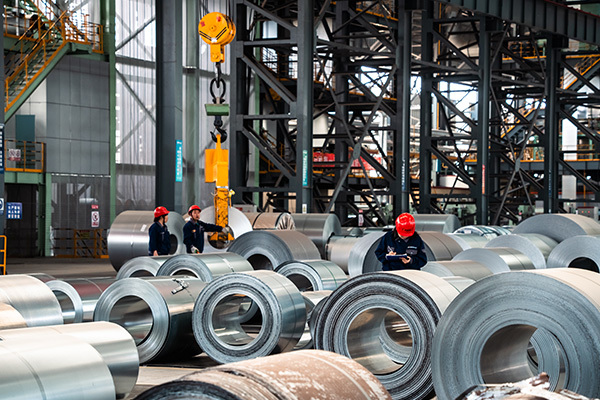
Cold-rolled steel strips are essential high-performance materials used in precision engineering and high-end manufacturing. Unlike hot-rolled steel, which is processed at high temperatures, cold-rolled steel is refined at room temperature. This article provides a comprehensive overview of how these strips are manufactured and the specific physical and aesthetic benefits they offer to global industries.
The Manufacturing Process: From Coil to Precision Strip
The production of cold-rolled steel strips is a meticulous multi-stage process that transforms raw hot-rolled coils into highly accurate, thin-gauge materials.
1. Pickling and Cleaning
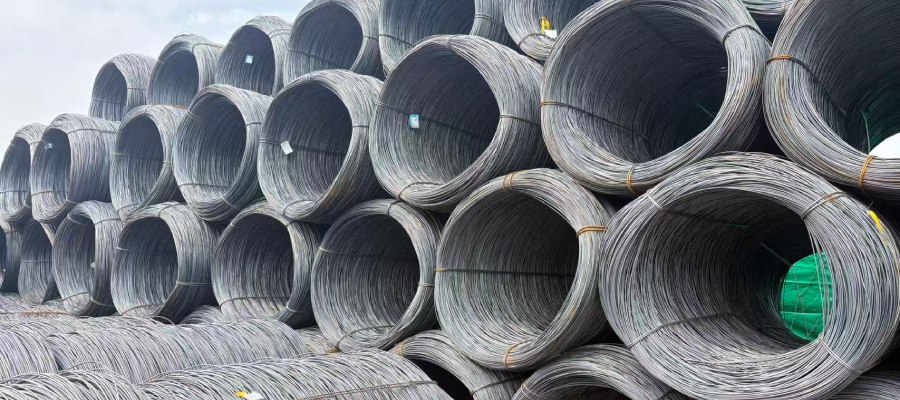
The process begins with "pickling," where hot-rolled steel coils are passed through an acid bath (typically hydrochloric acid). This step is crucial for removing "mill scale"—the dark layer of oxidation that forms during the high-temperature hot-rolling phase. Once cleaned and dried, the steel has a reactive, silvery surface ready for reduction.
2. Cold Reduction (Rolling)
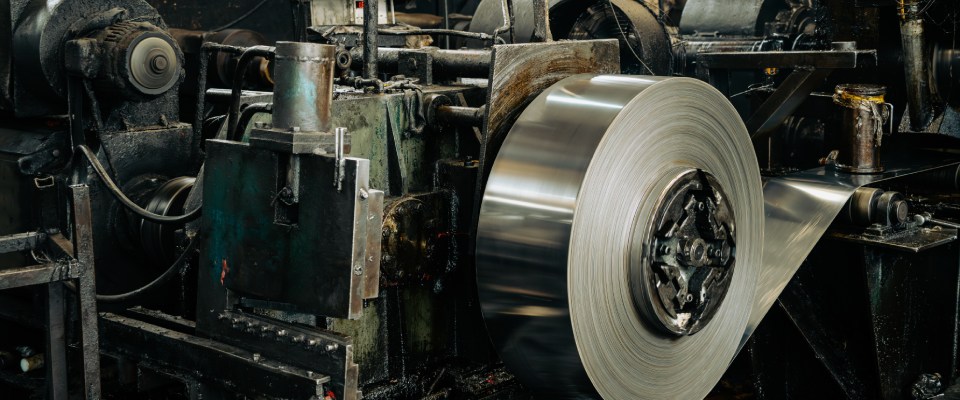
The pickled steel enters the cold-rolling mill at ambient temperature. It is forced between pairs of heavy, hardened rollers that apply immense pressure to compress the metal. This stage reduces the thickness to exact specifications while simultaneously "strain-hardening" the material, which rearranges its crystalline structure to increase its inherent strength.
3. Annealing
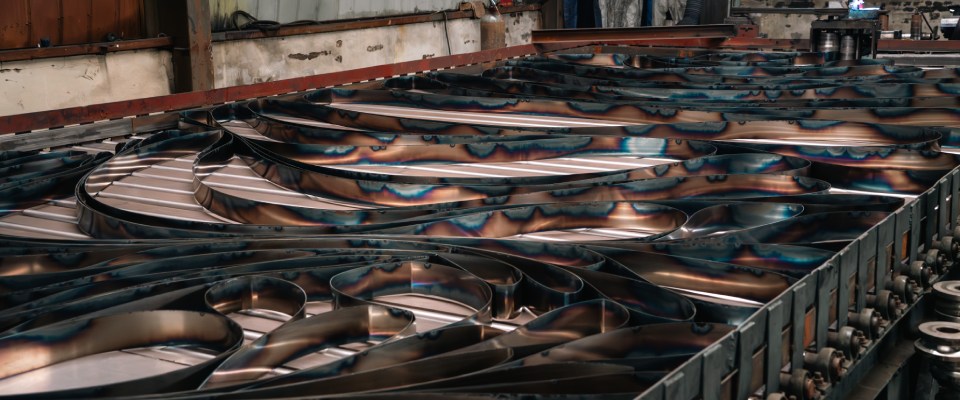
Because cold-rolling makes the steel hard and brittle, the material often undergoes annealing to restore its workability. The steel strips are heated in a controlled-atmosphere furnace (often using nitrogen or hydrogen to prevent further oxidation) and then cooled slowly. This heat treatment allows the grains to recrystallize, making the steel ductile enough for complex forming and stamping.
4. Skin Pass and Finishing
The final technical step is the "skin pass" or temper rolling. The strip receives a final, very light pass through the rollers (usually less than a 1% reduction). This ensures perfect flatness, eliminates the yield-point elongation that could cause "stretcher strains" during manufacturing, and imparts the final desired surface texture—whether it be a mirror-like shine or a specific matte finish.
Key Benefits of Cold Rolled Steel Strips
The decision to use cold-rolled steel strips is driven by the superior properties they provide compared to traditional hot-rolled alternatives.
Exceptional Dimensional Accuracy: Cold rolling can achieve much tighter thickness tolerances. For industries like electronics or automotive parts, where every micron counts, this consistency ensures that parts fit together perfectly during automated assembly.
Superior Surface Integrity: Without the scale and pitting found on hot-rolled steel, cold-rolled strips offer a smooth, clean surface. This makes them the ideal substrate for high-quality painting, electroplating, and lacquering.
Increased Strength-to-Weight Ratio: Through the work-hardening process, cold-rolled steel can be up to 20% stronger than its hot-rolled counterpart. This allows manufacturers to use thinner strips without sacrificing structural integrity, aiding in the creation of lightweight yet durable products.
Advanced Formability: Depending on the annealing process, these strips can be tailored for "deep-drawing" applications. This means the metal can be stretched into complex, hollow shapes (like battery canisters or car panels) without cracking or tearing.
Conclusion
In summary, the manufacturing of cold-rolled steel strips is a high-precision journey that prioritizes surface quality and dimensional control. By combining chemical cleaning, mechanical reduction, and thermal treatment, the process creates a material that is significantly stronger and more accurate than standard steel. These benefits—ranging from aesthetic brilliance to enhanced mechanical performance—ensure that cold-rolled strips remain a vital component in the evolution of modern, lightweight, and high-precision products.