


China’s Steel Industry in 2026: Policy, Demand, and Exports
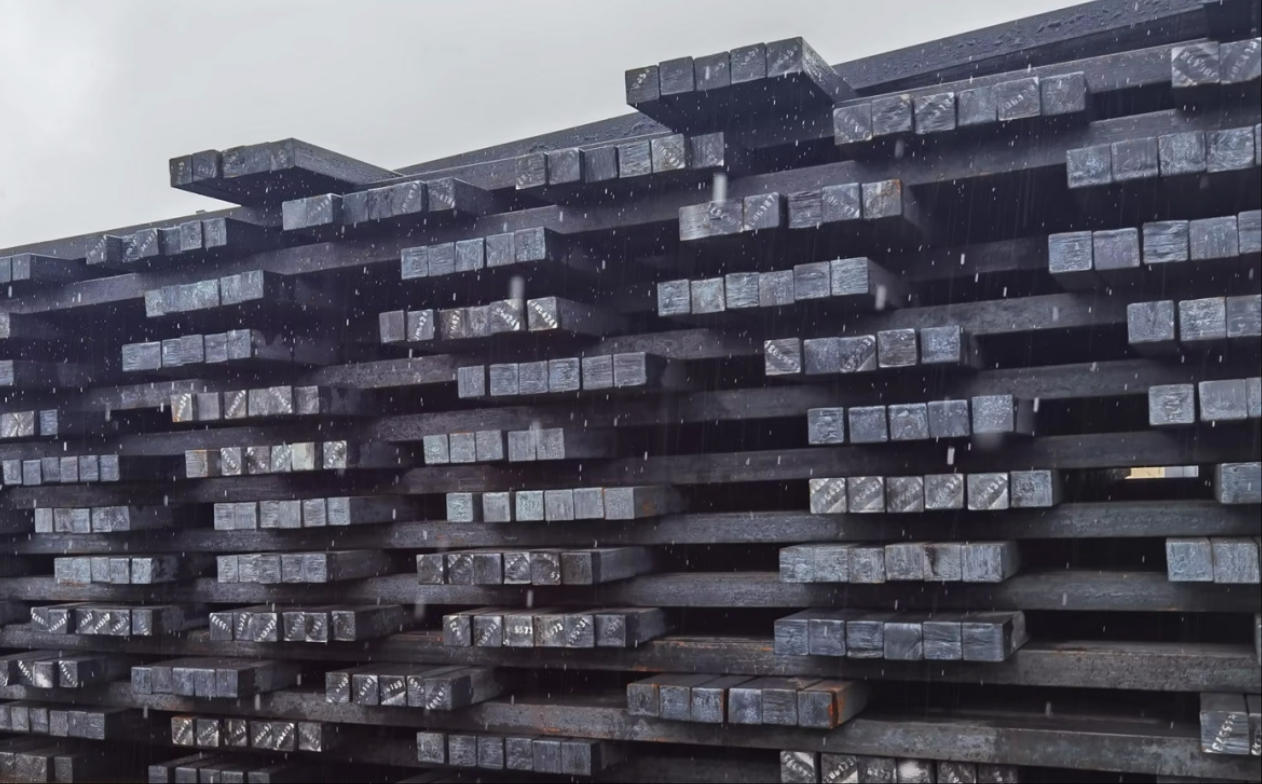
By 2026, China's steel industry is changing because of government plans, local needs, and how global trade is developing. China is the biggest maker and user of steel, so it still has a big say in prices, supply routes, and what people expect from the market all over the world.
Stable Production with Policy Control
In recent years, Chinese authorities have focused on keeping crude steel output in check to lower emissions and avoid oversupply. This policy is still in place in 2026, with many mills working to get more efficient instead of just expanding.
Industry experts say that production levels are now mostly affected by environmental rules, energy use goals, and local emission limits, mostly in the large steel-producing provinces.
Infrastructure and Manufacturing Support Demand
In China, how much steel we need still depends on infrastructure and manufacturing. The government keeps investing in things like transportation, energy, and fixing up cities. This creates a stable need for things like rebar and structural steel.
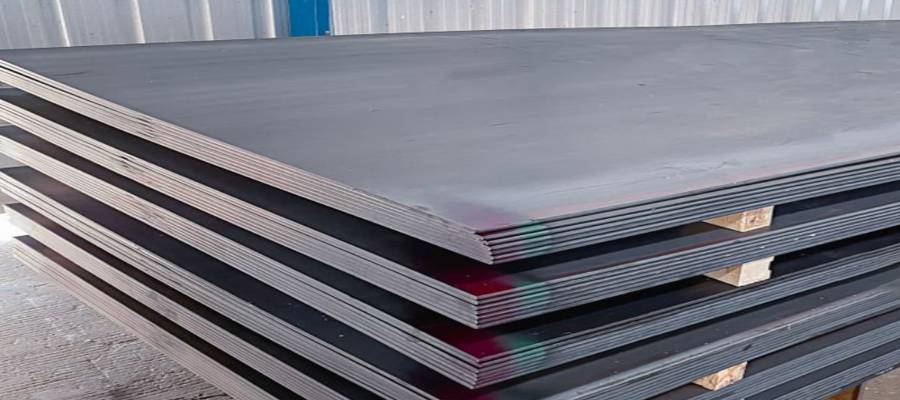
Sectors, for example, shipbuilding and renewable energy are also buying hot-rolled coils and plates, which is helping keep steel consumption up.
But housing isn't growing as fast as it used to, even though it's usually a big reason for steel demand. Because of this, steel companies are trying to find more customers and sell to industries that need more valuable kinds of steel.
Exports are still a key way to do business
Steel exports are still a key way for Chinese factories to balance things out. When demand at home slows down, they can look to markets overseas—especially in Southeast Asia, the Middle East, and Africa—to keep expanding.
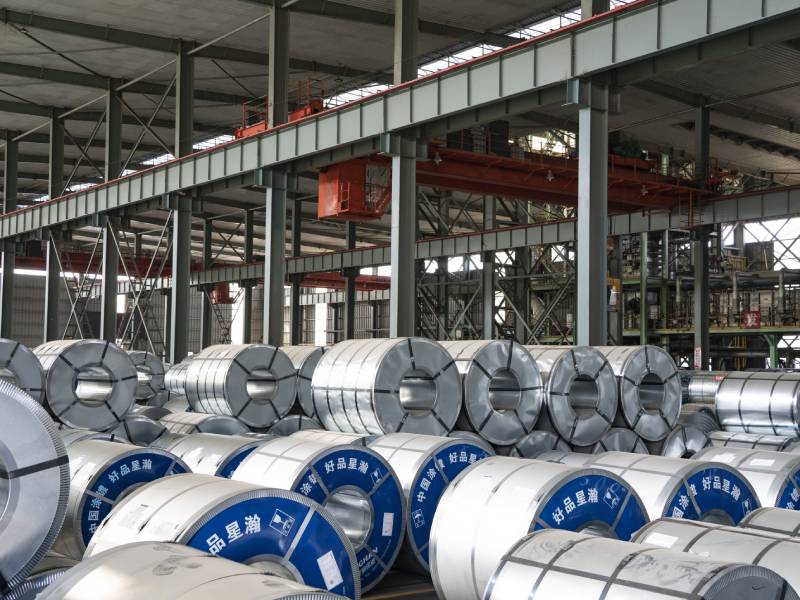
Goods like galvanized steel sheets, PPGI, steel pipes, and light structural materials sell well abroad because they’re both affordable and good quality. Chinese companies are also making their service better by offering custom orders, quicker turnaround times, and more flexible shipping choices.
Still, exporters have to deal with trade barriers, anti-dumping rules, and changing import laws in different countries. Because of this, spreading out into different markets is really important.
Greener steelmaking is here, along with tech improvements
China's steel industry is changing because of environmental goals. Big steel producers are putting money into things like electric arc furnaces and waste heat recovery to cut down on emissions and energy use.
More and more scrap steel is being used. Some of the top steel companies are checking out low-carbon ways to make steel. This is happening because of environmental targets in China and what buyers around the world want.
Going digital is also a big deal. Smart systems, automatic quality checks, and using data to handle logistics are helping steel plants work better and save money.
Raw Material and Price Trends
Steel prices in 2026 still move up and down based on the prices of iron ore, coking coal, and how much it costs to ship them. Shifts in the global market can quickly change how much it costs to make steel and what it costs to export it.
Experts say that steel prices will probably keep changing in the short run. But, the need for steel in the future should stay strong because cities are growing, energy projects are being built, and industries are growing in several places.
The steel industry in China is likely to keep moving toward better production quality with less environmental impact, along with a balance in supply and demand.
Instead of just making more steel, many companies are working on products that add value, reliable exports, and better tech. With these shifts, China should stay a key player in the global steel market through production, innovation, and trade.