


2026 Carbon Steel Plate Price Trend Analysis
As 2026 unfolds, the global carbon steel plate market is experiencing a period of cautious stabilization following several years of price volatility. Influenced by raw material costs, infrastructure demand, energy prices, and international trade policies, carbon steel plate prices in 2026 are expected to show moderate fluctuations with a generally stable-to-firm trend.
Demand Outlook: Infrastructure and Industrial Support
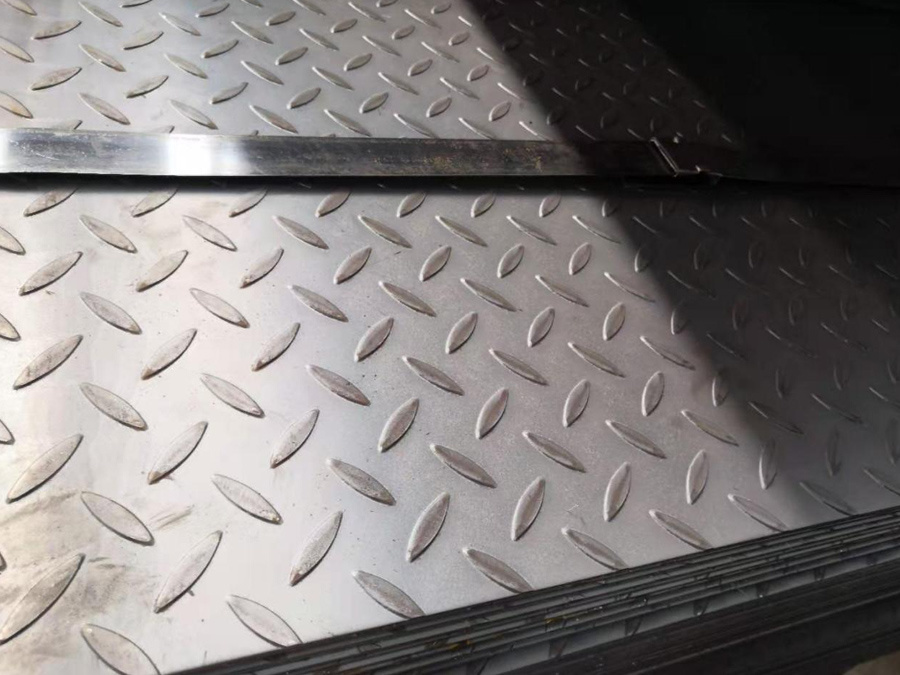
Carbon steel plate demand in 2026 remains closely tied to infrastructure development, construction, shipbuilding, pressure vessels, and heavy machinery manufacturing. Emerging markets in Africa, the Middle East, and Southeast Asia continue to invest in roads, ports, energy facilities, and industrial projects, providing steady demand for hot rolled carbon steel plates.
Meanwhile, demand from traditional markets such as Europe and North America is relatively stable, supported by government-backed infrastructure spending and energy-sector investments.
Raw Material Costs and Production Factors
Iron ore and coking coal prices remain key cost drivers for carbon steel plate production. In 2026, raw material prices are projected to fluctuate within a controlled range, limiting extreme price swings for finished steel products. Energy costs and environmental compliance expenses also continue to affect production costs, particularly for mills operating under stricter emissions regulations.
Steel mills are increasingly optimizing production schedules and reducing excess capacity, which helps maintain a better balance between supply and demand.
Supply Conditions and Capacity Adjustments
On the supply side, global carbon steel plate production capacity remains sufficient, but expansion has slowed. Several steel-producing countries have implemented capacity control measures to avoid oversupply and price pressure. As a result, supply discipline in 2026 is stronger than in previous years, contributing to price stability.
Export-oriented producers in Asia continue to play a key role in the international market, offering competitive pricing while meeting international standards such as ASTM, EN, and JIS.
Trade Policies and Market Risks
Trade policies, tariffs, and quality certification requirements continue to influence carbon steel plate pricing in global markets. Some regions maintain protective measures on imported steel products, which may lead to regional price differences. Currency fluctuations and geopolitical factors also remain potential risks that could impact international steel trade.
2026 Price Trend Outlook
Overall, carbon steel plate prices in 2026 are expected to remain relatively stable with periodic upward adjustments, especially during peak construction seasons. Sudden price spikes are less likely, provided raw material costs and global demand remain within expected ranges.
Buyers are advised to monitor market movements closely and consider long-term supply agreements to reduce procurement risks. For suppliers, consistent quality, reliable delivery, and cost efficiency will be key to staying competitive in the 2026 market.
Conclusion
The 2026 carbon steel plate market reflects a transition toward greater stability and rational pricing. While short-term fluctuations are unavoidable, the long-term outlook remains cautiously optimistic, supported by infrastructure growth, controlled production capacity, and steady global demand.