


Can You Weld Galvanized Steel Pipe? Safety Tips & Pro Guide
If you are working on a construction or DIY project, you might wonder: Can you weld galvanized steel pipe? The short answer is yes, but it comes with significant challenges. While welding galvanized steel is common in industrial and structural applications, it requires specific precautions to ensure the structural integrity of the joint and, more importantly, the safety of the welder.
The Potential Hazards: Why It’s Tricky
The "galvanized" layer on the pipe is a coating of zinc applied to prevent rust. When subjected to the high heat of welding, this zinc layer reacts differently than the underlying steel.
Zinc Fumes (Metal Fume Fever): Heating zinc produces white clouds of zinc oxide smoke. Inhaling these fumes can lead to "Metal Fume Fever," with flu-like symptoms such as nausea, headache, and fever.
Weld Porosity: If the zinc isn't removed before welding, it can become trapped in the weld pool, causing tiny gas pockets (porosity) that weaken the joint.
Cracking: Zinc can penetrate the weld metal, leading to a phenomenon known as liquid metal embrittlement.
Essential Safety Precautions
Before you strike an arc, safety must be your top priority.
Proper Ventilation: Always weld in an open, well-ventilated area. Use a fume extraction system if working indoors.
Respiratory Protection: Wear a P100 rated respirator specifically designed for welding fumes to filter out toxic zinc particles.
Personal Protective Equipment (PPE): Standard welding gear (helmet, gloves, leather apron) is mandatory to protect against sparks and UV light.
How to Weld Galvanized Steel Pipe (Step-by-Step)
To achieve a high-quality, professional weld, follow these steps:
Step 1: Remove the Zinc Coating
The most critical step is grinding. Use a flap disc or grinding wheel to remove the galvanization at least 1–2 inches back from the weld area. You should see the bright, shiny bare steel underneath.
Step 2: Choose the Right Welding Process
Stick (SMAW): Often considered the best for galvanized pipe. Using a 6010 or 6011 electrode helps "burn through" any remaining zinc.
MIG (GMAW): Possible, but requires more cleaning. Specialized wires like Silicon Bronze or flux-cored wire can help reduce spatter.
TIG (GTAW): Generally not recommended unless the zinc is 100% removed, as any residue will instantly contaminate the tungsten electrode.
Step 3: Adjust Your Technique
Expect more spatter than usual. Maintain a slightly slower travel speed to allow any gas to escape the weld pool before it solidifies.
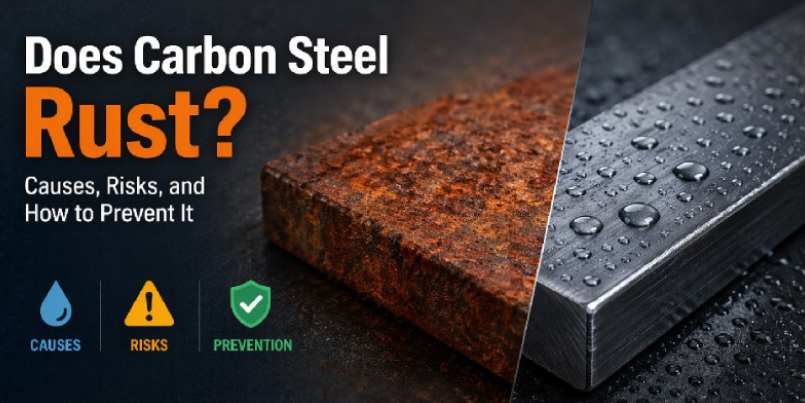
How to prevent rust after welding galvanized pipe
One of the biggest drawbacks of welding galvanized pipe is that the heat destroys the protective zinc layer, leaving the bare steel exposed to moisture and oxygen. To prevent the joint from rusting immediately, follow this restoration process:
Mechanical Cleaning: Once the weld has cooled, use a wire brush or power brush to remove all welding slag, soot, and burnt coating residue.
Solvent Clean: Wipe the area with a degreaser or acetone to ensure no oils or dust remain.
Cold Galvanizing Spray: Apply a high-quality, zinc-rich cold galvanizing spray (containing at least 90% zinc dust in the dried film). Apply 2-3 thin coats, allowing each to dry, to build up a protective barrier that matches the rest of the pipe.
Top Coating (Optional): If the pipe is aesthetic, you can apply a silver-colored paint to match the original sheen of the hot-dipped galvanization.
Post-Weld Maintenance: Restoring Corrosion Resistance
Once you weld the pipe, the protective zinc layer is gone. To prevent the joint from rusting immediately:
Clean the weld: Remove all slag and soot with a wire brush.
Apply Cold Galvanizing Spray: Use a high-quality zinc-rich primer (often called "Cold Galv") to coat the welded area and restore its weather-resistant properties.
We offer high-quality Welded Steel Pipe, you can choose according to your needs
Conclusion
So, can you weld galvanized steel pipe? Yes, provided you prioritize ventilation, grinding, and post-weld coating. By following these professional steps, you can create a strong, durable, and safe connection for your project.
Pro Tip: Looking for high-quality galvanized steel pipes for your next project? [Contact our team] for a wholesale quote and technical specifications!