


Seamless Steel Pipes vs Welded Steel Pipes: Key Differences
Steel pipes are essential materials in many industries, including construction, machinery manufacturing, oil and gas, and chemical processing. Choosing the right type of steel pipe can greatly affect the safety, durability, and overall cost of a project. There are two main types of steel pipes: seamless steel pipes and welded steel pipes. While they may appear similar at first glance, they differ significantly in manufacturing processes, mechanical properties, applications, and cost. Understanding these differences helps engineers, contractors, and procurement specialists make better decisions for their projects.
Manufacturing Process
Seamless Steel Pipes
Seamless steel pipes are manufactured from solid steel billets. The billets are heated to high temperatures and then pierced or rolled into hollow tubes. Because there is no welded seam, seamless pipes have uniform wall thickness and consistent strength throughout the pipe. The main production steps include:
Heating steel billets to the required temperature
Piercing the billets to form a hollow tube
Hot or cold rolling to achieve precise dimensions
Cutting the pipe to specific lengths, polishing the surface, and performing strict quality inspections
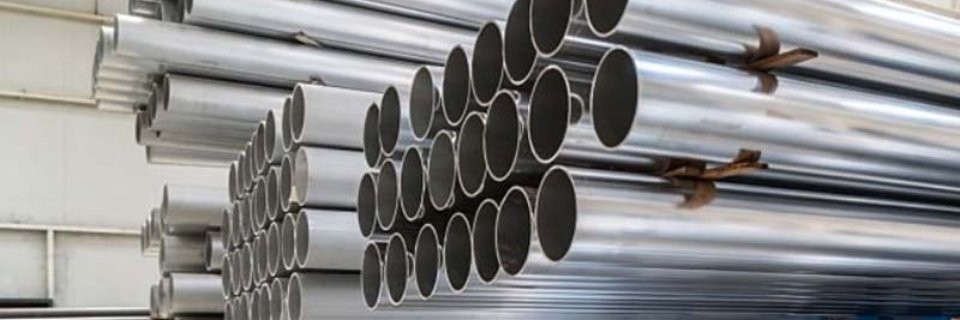
Welded Steel Pipes
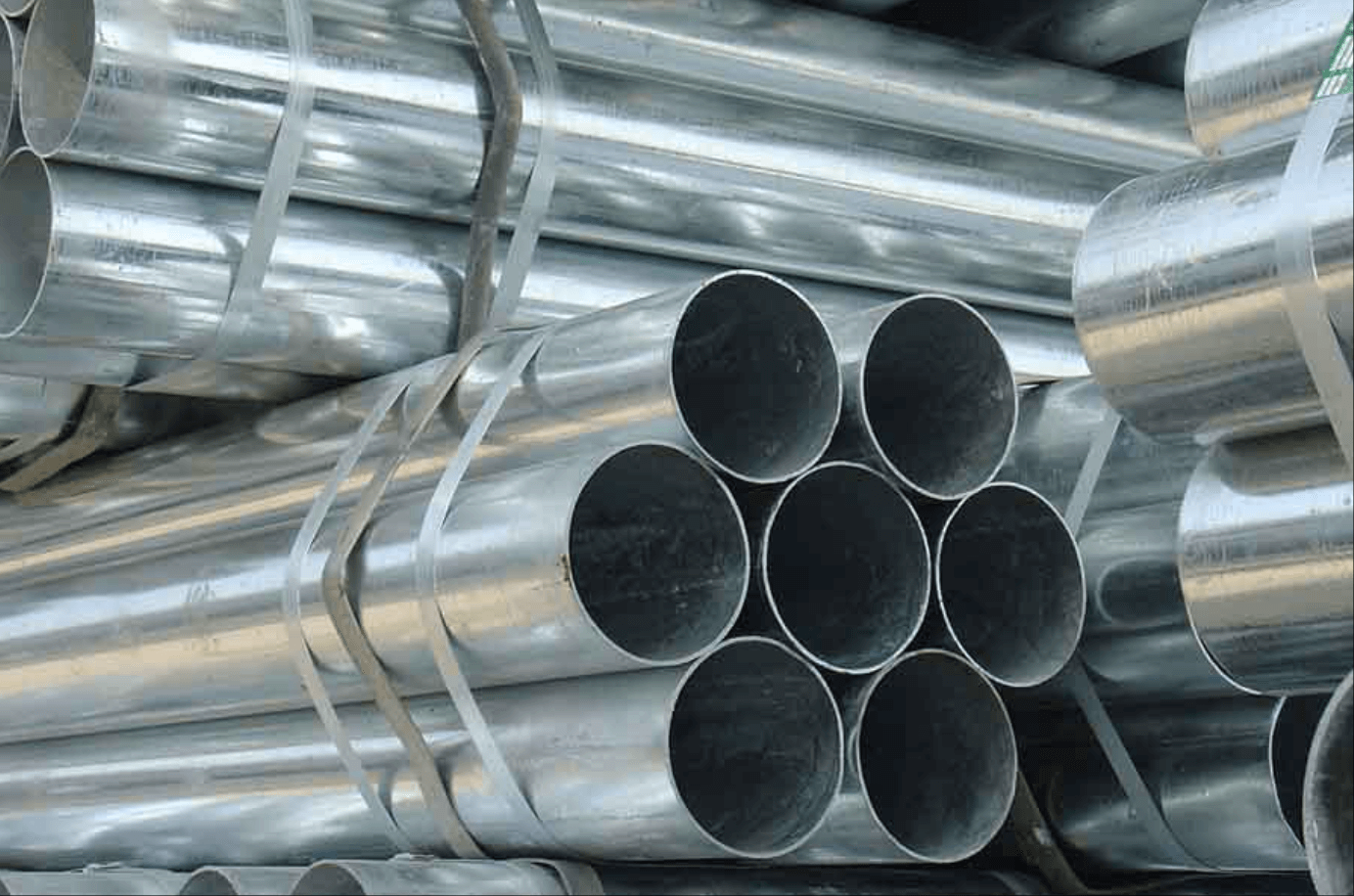
Welded steel pipes are made by rolling steel plates or strips into a cylindrical shape. The edges of the cylinder are joined using welding techniques, such as electric resistance welding (ERW), submerged arc welding (SAW), or laser welding. Common types of welded pipes include:
Longitudinal welded pipes: Welded along the pipe’s length
Spiral welded pipes: Steel strip is wound into a spiral and welded along the seam
Welded pipes are faster and less expensive to produce, especially for large-diameter pipes. However, the weld seam can slightly reduce the pipe’s overall strength compared to seamless pipes.
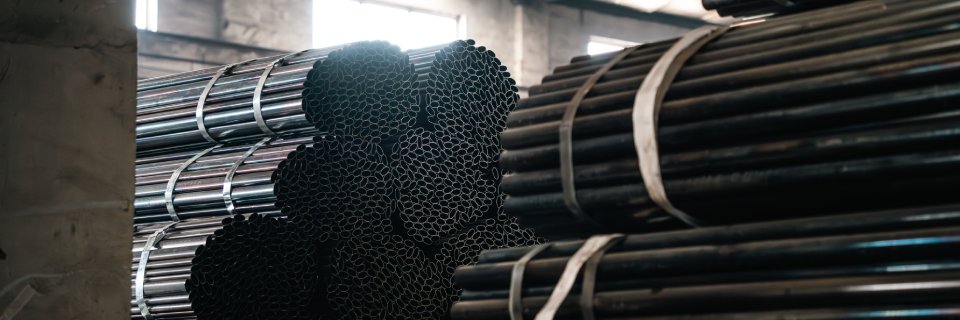
Mechanical Properties
Seamless Pipes:
Higher strength and better pressure resistance due to the absence of weld seams
Uniform mechanical properties across the entire wall thickness
Excellent performance in high-temperature, high-pressure, and corrosive environments
Welded Pipes:
Slightly weaker at the welded seam
Mechanical properties may vary near the joint
Suitable for medium or low-pressure applications
Applications
Seamless Steel Pipes are widely used in industries requiring high strength and reliability. Common applications include:
High-pressure boilers and pipelines
Oil, gas, and petrochemical transport pipelines
Chemical industry pipelines and industrial process systems
Hydraulic systems and automotive components
Welded Steel Pipes are often used where high strength is not critical. Typical applications include:
Structural components in buildings, bridges, and scaffolding
Water supply lines, gas pipelines, and general plumbing
Medium or low-pressure mechanical systems
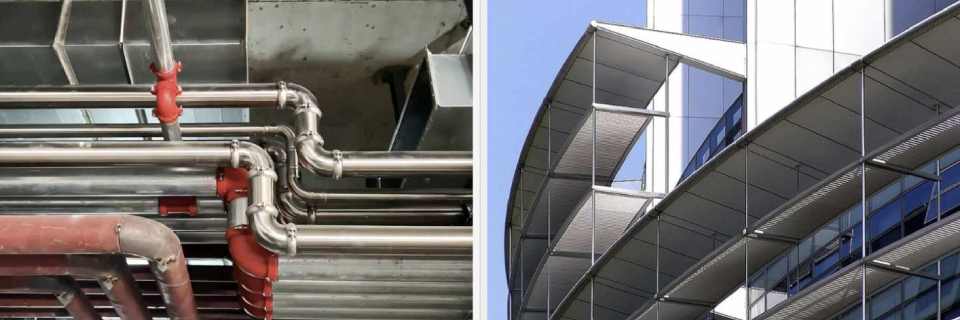
Cost Considerations
Seamless steel pipes are generally more expensive because of their complex manufacturing process and higher material strength. Welded steel pipes are more economical and ideal for projects that require large-diameter pipes or structural applications where extreme pressure resistance is not necessary. Choosing between seamless and welded pipes depends on the project’s specific requirements and budget constraints.
Conclusion
In summary, seamless and welded steel pipes each have their advantages and limitations. Seamless pipes are the best choice for high-pressure, high-temperature, and critical applications due to their uniform strength and durability. Welded pipes are suitable for structural and medium-pressure applications because they are cost-effective and easier to manufacture. Understanding the differences between these two types of pipes ensures safety, long-term reliability, and cost efficiency for any engineering project. Proper selection helps optimize performance while reducing unnecessary expenses.