


Reinforcing Bar Dimensions: Simple Guide for Construction
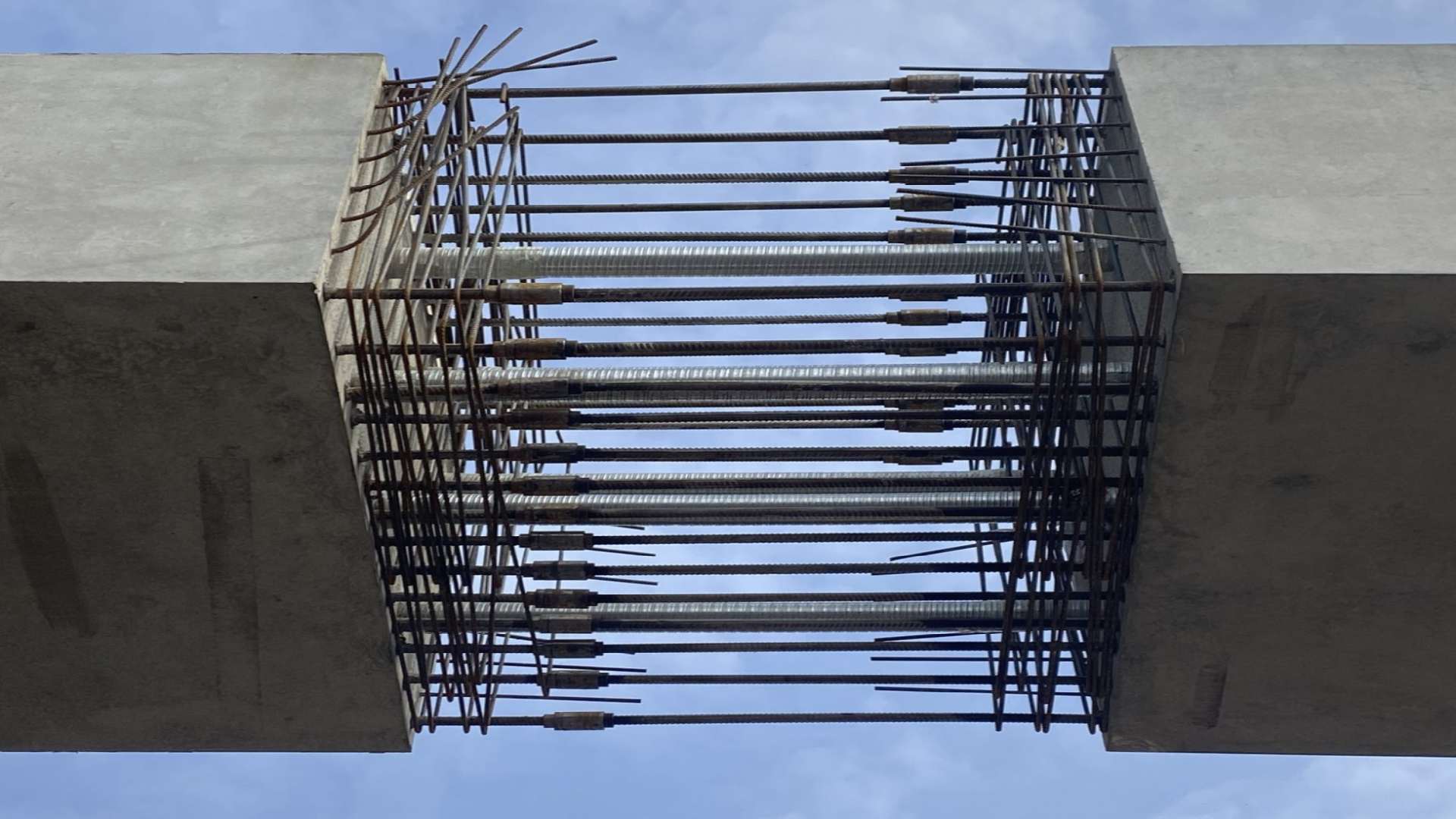
Reinforcing bars, often called rebars, are widely used in concrete construction. Concrete is strong under pressure, but it cracks easily when pulled or bent. Steel bars help solve this problem. They work together with concrete to improve strength and stability.
Understanding reinforcing bar dimensions is very important. The right size helps structures stay safe and last longer.
What Are Reinforcement Steel Bars?
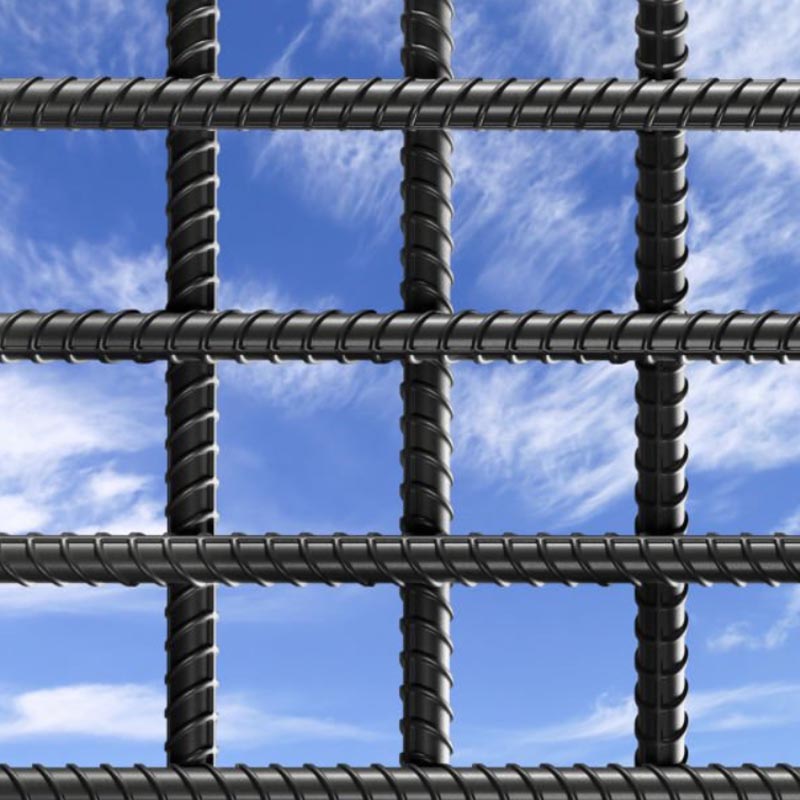
Reinforcement steel bars are steel rods placed inside concrete. They support the concrete and help carry loads. Most rebars are made from carbon steel. Their surface has ribs or deformations. These ribs help the steel bond firmly with concrete.
Correct reinforcement steel bars dimensions allow concrete and steel to work as one solid unit.
Common Rebar Diameters
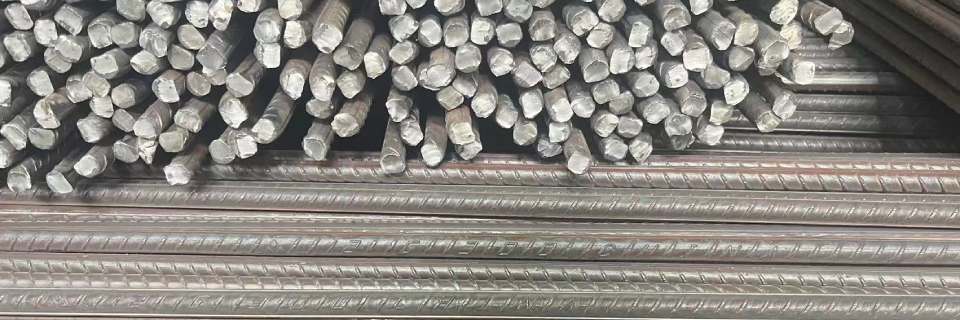
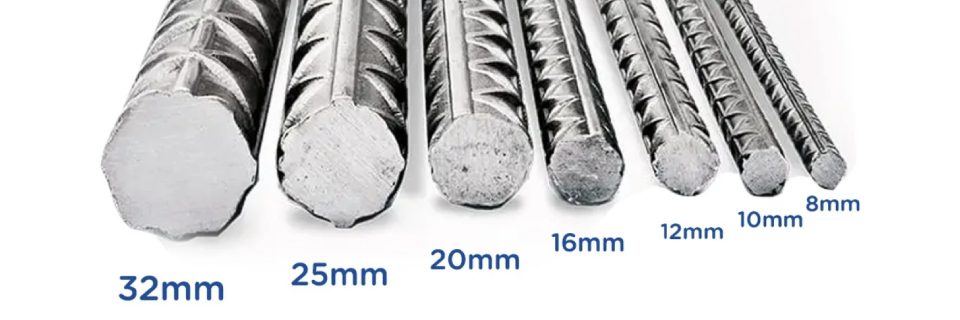
Rebar size is mainly defined by diameter. Different projects need different sizes.
Common metric diameters include:
6 mm
8 mm
10 mm
12 mm
16 mm
20 mm
25 mm
32 mm
36 mm
40 mm
50 mm
Small bars are often used in slabs and light structures. Larger bars are used in columns, beams, and foundations. Choosing the right diameter helps reduce cracking and improves load capacity.
Standard Rebar Length
Most reinforcing bars are supplied in standard lengths. The most common lengths are:
6 meters
12 meters
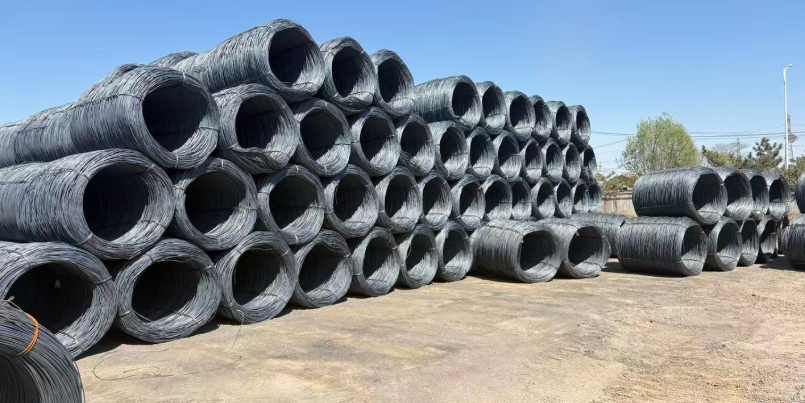
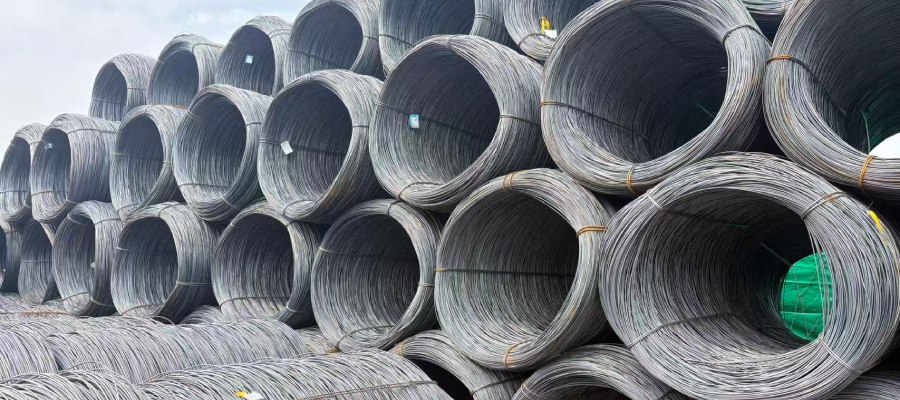
Some projects require special lengths. Many factories can cut bars to size. This reduces waste and saves time on site. Accurate length control is an important part of reinforcing bar dimensions.
Weight and Size Control
Each rebar diameter has a fixed weight per meter. Larger bars are heavier and cost more. Engineers calculate bar size and quantity carefully. This helps control project cost and material usage.
Weight accuracy is also a sign of quality. Good manufacturers strictly control size and weight during production.
Standards for Rebar Dimensions
Different countries follow different standards. Common ones include:
ASTM (USA)
BS (UK)
EN (Europe)
JIS (Japan)
GB (China)
These standards define diameter tolerance, length, rib shape, and strength. When buying steel, it is important to confirm that reinforcement steel bars dimensions meet the required standard.
Rib Shape and Tolerance
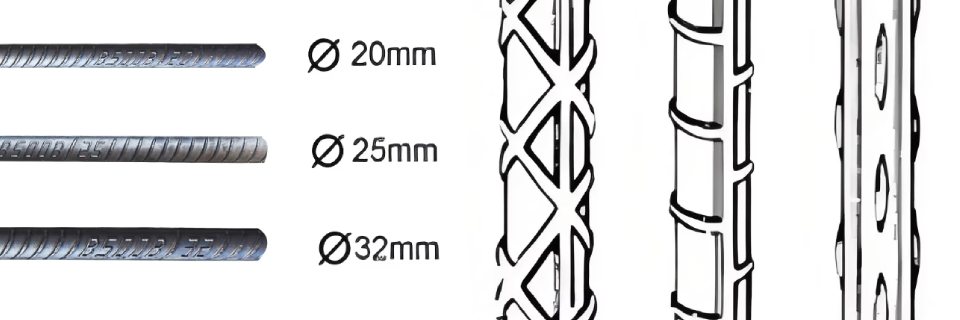
Rebar ribs are not just for appearance. They improve grip inside concrete. Proper rib spacing and height help prevent slippage.
Small size tolerances are allowed. However, poor control may affect construction quality. Reliable suppliers keep tight control over reinforcing bar dimensions.
Typical Applications by Size
Different rebar sizes are used for different purposes:
1. Thin bars: slabs, pavements, light reinforcement
2. Medium bars: beams, floors, small columns
3. Large bars: bridges, high-rise buildings, heavy foundations
Using the right size improves safety and extends service life.
Conclusion
Reinforcing bar dimensions play a key role in concrete construction. Diameter, length, weight, and rib design all matter. Correct reinforcement steel bars dimensions help reduce risk, control cost, and improve durability.
From small buildings to large infrastructure projects, choosing the right rebar size is always essential.