


What is Hot Rolled Steel Plate? A Complete Guide
Hot rolled steel plate is one of the most commonly used materials in construction, industrial manufacturing, transportation, and heavy machinery. It is valued for its strength, durability, and cost-effectiveness, making it suitable for a wide range of applications. This guide will explain what hot rolled plates are, their mechanical properties, types of steel, the hot rolling process, and how to choose the right steel plate for your project.
What is a Hot Rolled Plate?
A hot rolled plate is made by passing steel slabs through large rollers at high temperatures, typically above 1,000°F (540°C). The heat softens the steel, making it easier to form into the desired shape.
Compared to sheet metal made by cold rolling, hot rolled plates:
Are thicker and heavier
Have a rough, scaly surface
Have slightly looser dimensional tolerances
After the rolling process, the steel is allowed to cool at room temperature. During this cooling, internal stresses can develop within the steel. These stresses may slightly affect the mechanical properties, but hot rolled plates remain strong and suitable for structural and industrial applications.
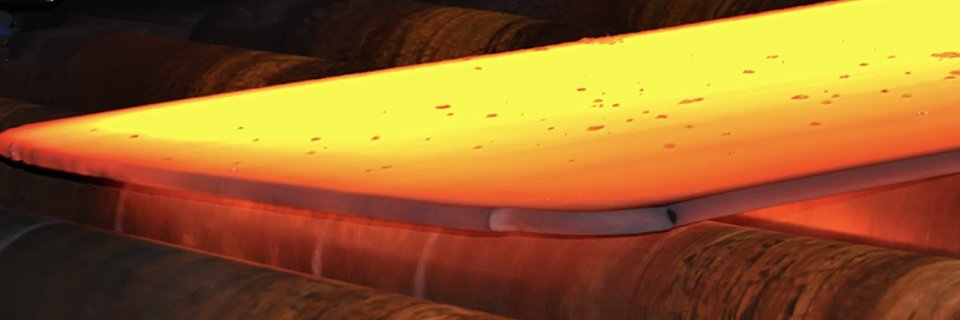
The Hot Rolling Process
The hot rolling process is an important step in steel manufacturing, turning raw steel into functional plates:
1.Casting: Steel is melted in a furnace and cast into slabs.
2.Heating: Slabs are reheated to high temperatures to make them pliable.
3.Rolling: Slabs pass through heavy rollers to reduce thickness and achieve the correct width and length.
4.Cooling: Steel plates are allowed to cool at room temperature, which can create internal stresses.
5.Finishing: Plates are trimmed, leveled, or cut to achieve the desired shape and size.
This process differs from cold rolling, which happens at room temperature. Cold rolling increases tensile strength due to work hardening, produces a smooth surface, and gives precise dimensions. Hot rolling, however, is better suited for thicker steel plates that need to handle heavy loads and can be fabricated more easily.
Mechanical Properties of Hot Rolled Steel Plates
The mechanical properties of hot rolled plates depend on the types of steel and the manufacturing process. Typical properties include:
Tensile Strength: Moderate to high, depending on steel grade (e.g., ASTM A36, EN10025).
Ductility: Good, allowing bending, welding, and machining without cracking.
Hardness: Slightly lower than cold-rolled steel, but strong enough for structural applications.
Impact Resistance: High, suitable for industrial machinery, bridges, and heavy frameworks.
In some cases, hot rolled plates can achieve higher tensile strength through additional processing. This is a result of work hardening, which strengthens steel when it is bent, cut, or shaped.
Types of Hot Rolled Steel Plates
There are several types of steel used to make hot rolled plates, each with unique properties:
Carbon Steel: The most common type. It is strong, affordable, and widely used in construction and manufacturing.
Alloy Steel: Contains elements such as manganese, chromium, or nickel. This improves strength, toughness, and corrosion resistance.
High-Strength Low-Alloy (HSLA) Steel: Lighter but stronger than carbon steel. Ideal for bridges, heavy machinery, and industrial frameworks.
Choosing the right type of steel is important for ensuring the steel plate meets performance requirements, whether for structural support, industrial machinery, or sheet metal fabrication.
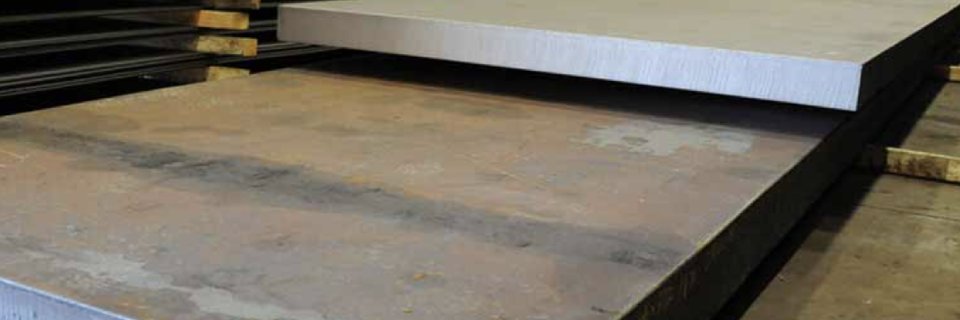
Sizes and Dimensions
Hot rolled steel plates come in a wide range of thicknesses, widths, and lengths. Standard thicknesses range from 3 mm to over 100 mm, widths from 1,000 mm to 2,500 mm, and lengths from 2 m to 12 m. Plates can also be custom-made for large or special projects.
Applications of Hot Rolled Steel Plates include:
Construction: Bridges, buildings, heavy-duty support beams, columns, and frameworks.
Sheet Metal Fabrication: Industrial containers, machinery bases, trailer beds, and tanks.
Transportation & Shipbuilding: Chassis, hulls, storage tanks, and heavy vehicle frames.
Pressure Vessels & Tanks: Hot rolled steel can resist high pressure, impact, and wear, making it ideal for industrial storage.
Advantages of Hot Rolled Steel Plates
Using hot rolled steel plates offers many benefits:
✅ Cost-Effective: Less expensive than cold-rolled plates because production is simpler.
✅ Easy to Fabricate: Can be cut, welded, machined, or bent into the desired shape.
✅ Strong and Durable: Ideal for heavy-duty structures and industrial use.
✅ Available in Many Types: Different types of steel and sizes are widely available.
✅ Versatile Applications: Can be used for sheet metal, structural projects, machinery, and transportation components.
Hot Rolled vs Cold Rolled Plates
FeatureHot Rolled PlateCold Rolled PlateSurface FinishRoughSmooth, polishedTensile StrengthModerateHigher, due to work hardeningMechanical PropertiesGood for heavy usePrecise, ideal for thin sheet metalCostLowerHigherIdeal ApplicationsStructural, industrialAutomotive, precision machinery
Hot rolled plates are better for structural and industrial applications, while cold rolled plates are preferred for sheet metal that requires high precision and smooth surfaces.
How to Choose the Right Hot Rolled Plate
When selecting a hot rolled steel plate, consider:
1.Load Requirements: Heavier structures need thicker plates with higher tensile strength.
2.Surface Finish: Rough surfaces may need grinding or coating for sheet metal fabrication.
3.Dimensions & Shape: Ensure the plate matches the desired shape and size specifications.
4.Steel Grade: Pick the proper types of steel for corrosion resistance, strength, and cost.
5.Application Environment: Consider whether the plate will be exposed to moisture, heat, or chemicals.
FAQs About Hot Rolled Steel Plates
Q: What is the main difference between hot rolled and cold rolled plates?
A: Hot rolled plates are processed at high temperatures with a rough surface. Cold rolled plates are processed at room temperature, producing smooth surfaces and higher tensile strength due to work hardening.
Q: Can hot rolled plates be welded or cut easily?
A: Yes. Hot rolled steel is highly weldable and suitable for sheet metal fabrication and heavy structural components.
Q: Do hot rolled plates develop internal stresses?
A: Yes. Internal stresses can form as steel cools at room temperature, but they generally do not affect heavy-duty applications.
Q: What are common uses of hot rolled steel plates?
A: Bridges, building frameworks, industrial machinery bases, storage tanks, transportation components, and sheet metal products.
Conclusion
Hot rolled steel plate is strong, versatile, and cost-effective. Its combination of durability, ease of fabrication, and availability in different types of steel makes it ideal for a wide range of applications. Understanding its mechanical properties, the hot rolling process, and the effects of cooling at room temperature allows engineers and contractors to select the right plate for any project. Whether for sheet metal, structural frameworks, industrial machinery, or transportation, hot rolled plates provide reliable performance and long-term durability.