


ASTM A36 Material Guide for Construction and Fabrication
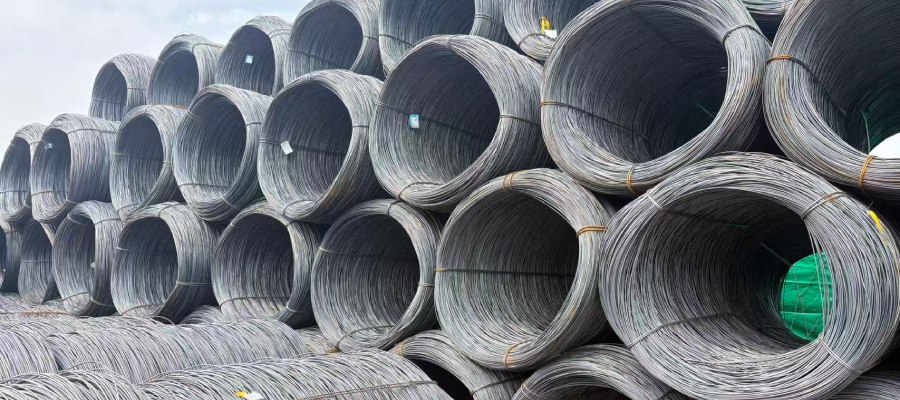
ASTM A36 is one of the most commonly used steel grades in global construction, fabrication, and engineering. Developed by the American Society for Testing, this standard defines a reliable and versatile type of carbon steel that many builders and manufacturers simply call a36 steel, material A36 steel, or a36 material. It is widely used because it offers the right balance of strength, weldability, and cost, making it ideal for many structural applications where stability and efficiency are required.
Understanding A36 Material
The term a36 material refers to carbon steel produced according to the ASTM A36 specification. It is generally supplied as hot rolled steel, which gives it smooth processing characteristics. Manufacturers often use it to produce steel plate, beams, channels, angles, and a wide range of steel shapes. These components are commonly used in industrial buildings, machinery bases, heavy equipment, and base plates for structural foundations.
Thanks to its stability and low carbon composition, material A36 steel is known for being easy to cut, drill, weld, and bend. This makes it suitable for workshops, fabrication plants, and large-scale infrastructure projects. It is also widely preferred in markets that require predictable performance and steady supply.
Mechanical Properties and A36 Steel Yield Strength
One of the key performance characteristics of this material is a36 steel yield strength, which is typically around 250 MPa (36,000 psi). This value shows the point at which the steel begins to deform permanently under stress. While it does not rank among the highest-strength steels, it provides enough high strength for most standard building and engineering needs.
Other important mechanical properties include:
Tensile strength between 400–550 MPa
Good ductility and elongation
Stable hardness within the expected range
Excellent weldability with common methods
These features make a36 steel suitable for components that need to handle pressure, weight, and vibration. It is used in building frames, connecting members, load-bearing structures, and the welded construction of bridges, where welding quality is crucial.
Chemical Composition
The chemical composition of ASTM A36 is designed to ensure reliability in processing and performance. The primary elements include:
Carbon: 0.25–0.29%
Manganese: 0.8–1.2%
Silicon: ≤ 0.4%
Sulfur and phosphorus: ≤ 0.04%
This low-carbon profile helps improve weldability and allows the material to handle different types of heat treatment, such as normalizing or stress relieving. These processes can be used to improve structural stability and reduce internal stress.
Benefits of Material A36 Steel
✔ Easy to Work With
Because of its low carbon content and hot-rolled form, the material is simple to cut, bend, form, and machine. This lowers production time and reduces fabrication costs.
✔ Excellent Welding Performance
The steel responds well to various welding methods without requiring complicated preparation. This makes it ideal for heavy structures, such as industrial buildings and welded construction of bridges.
✔ Cost-Effective Choice
Compared with many other steel grades, ASTM A36 offers a strong balance of performance and affordability. It is widely available, which keeps purchasing costs stable for large projects.
✔ Flexible Use Across Different Shapes
A36 is produced as steel plate, bars, pipes, and structural steel shapes, giving engineers many options when designing buildings and machinery.
✔ Strong Support for Global Customers
Many suppliers provide reliable customer service, technical guidance, and fast shipping, which is important for buyers working on tight timelines or international shipments.
Common Applications
Because of its simple processing, dependable strength, and wide availability, material A36 steel is used in many areas, including:
Building frames, columns, and beams
Machinery bases, factory platforms, and base plates
Bridge beams, welded components, and reinforcement parts
Storage tanks and large industrial equipment
General-purpose steel plate products
Fabricated steel shapes for infrastructure and commercial construction
Its versatility makes a36 steel a popular choice for contractors, fabricators, and engineering teams working in Africa, Asia, and global export markets.
Conclusion
A36 material is a dependable and widely used carbon steel suitable for both small projects and large structures. With a consistent a36 steel yield strength, strong weldability, and excellent processing characteristics, it remains one of the most trusted options for structural applications. Whether used as steel plate, beams, or custom parts, it delivers the mechanical performance required for safe and durable construction.